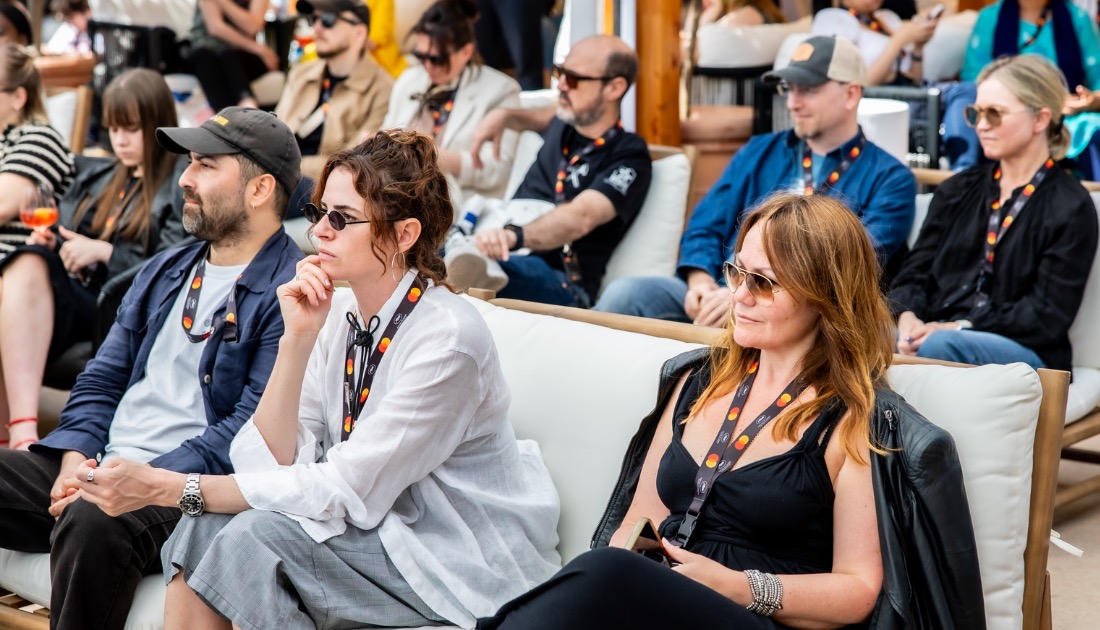
Cannes did not become an AI festival. AI made it impossible to look away.
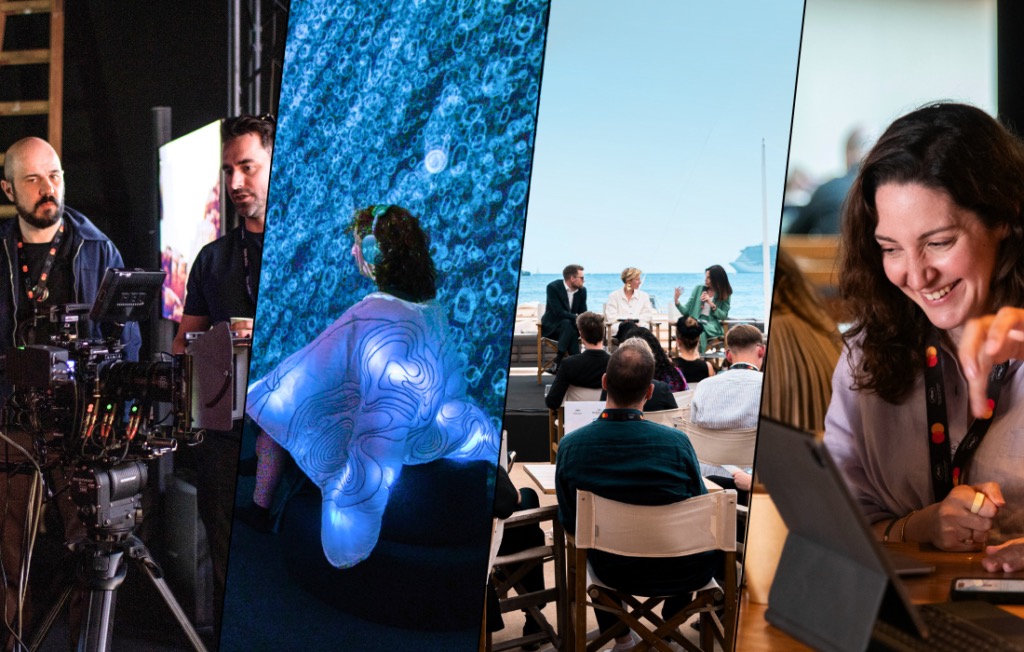
The most interesting thing about Cannes 2026 was not a single film, platform, or demo. It was the way artificial intelligence became the pressure in the room. The festival was still Cannes: red steps, auteurs, sales agents, prestige, anxiety, market oxygen. But running underneath it was a more uncomfortable question: what happens when cinema's most human mythology meets tools that can generate images, voices, performances, scenes, edits, and whole marketing narratives at industrial speed?
That is why Cannes is blog-worthy for this site. Not because AI suddenly became cinema. It has not. But because the conversation moved out of the lab and into the places where film culture decides what is legitimate, bankable, tasteful, ethical, and frightening. The beach tent, the market screening, the press conference, the side event, the official selection page, the headline correction: all of it became part of the same argument.
For anyone working between cinematography, creative technology, AI systems, and the mental health reality of an unstable industry, Cannes offered a very clear signal. The future is not arriving as one clean breakthrough. It is arriving as a fight over language.
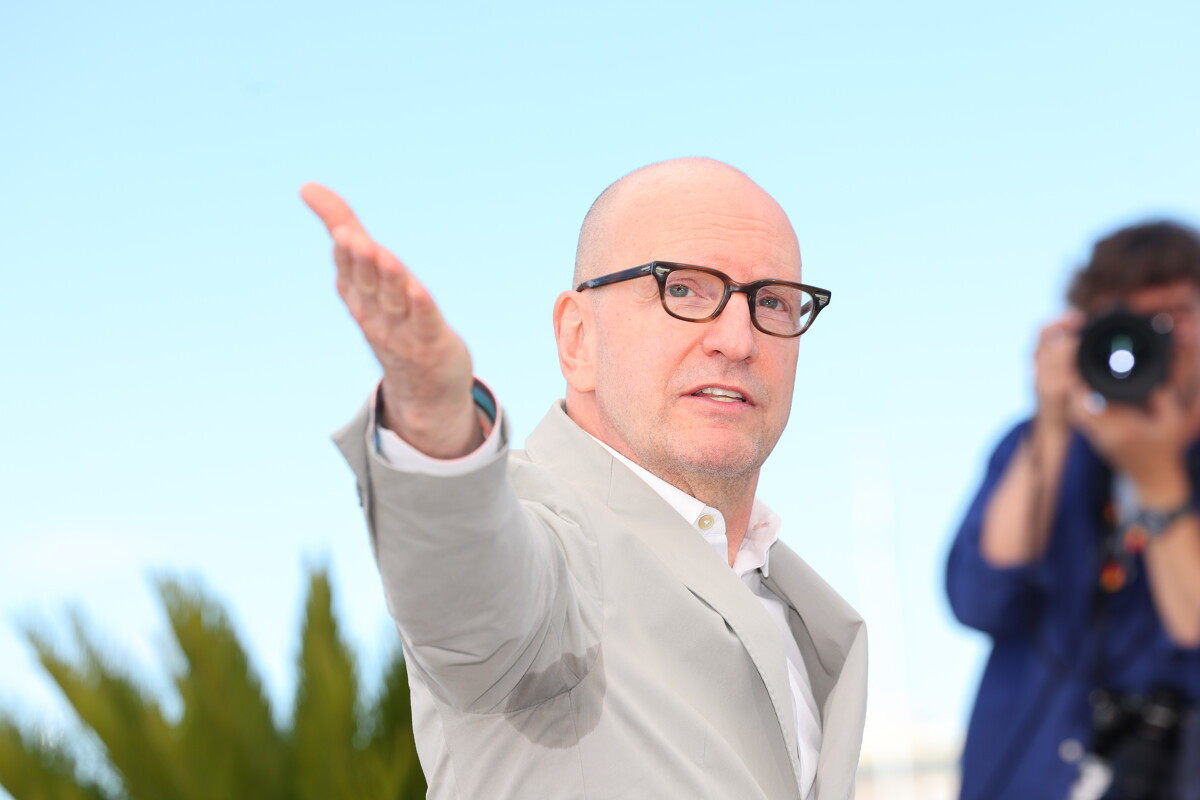
Soderbergh made the argument harder to dismiss
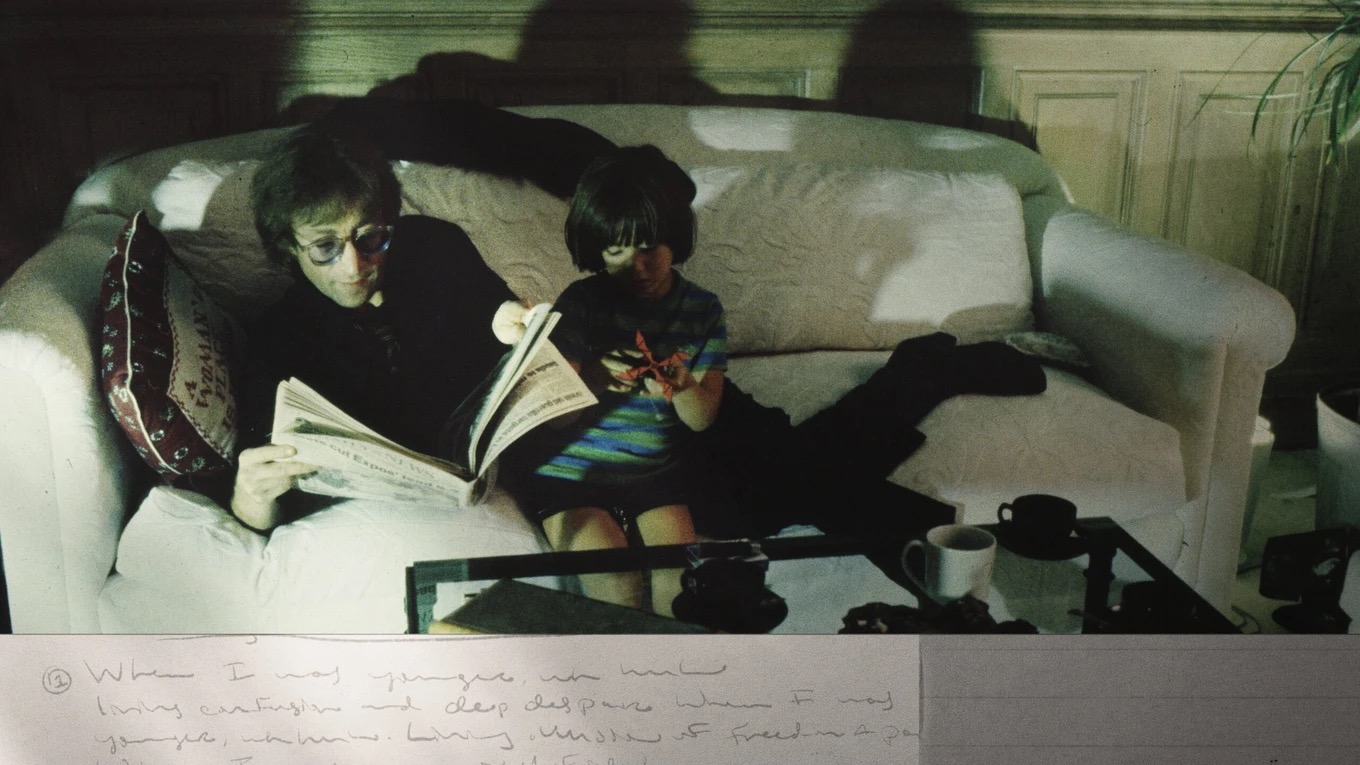
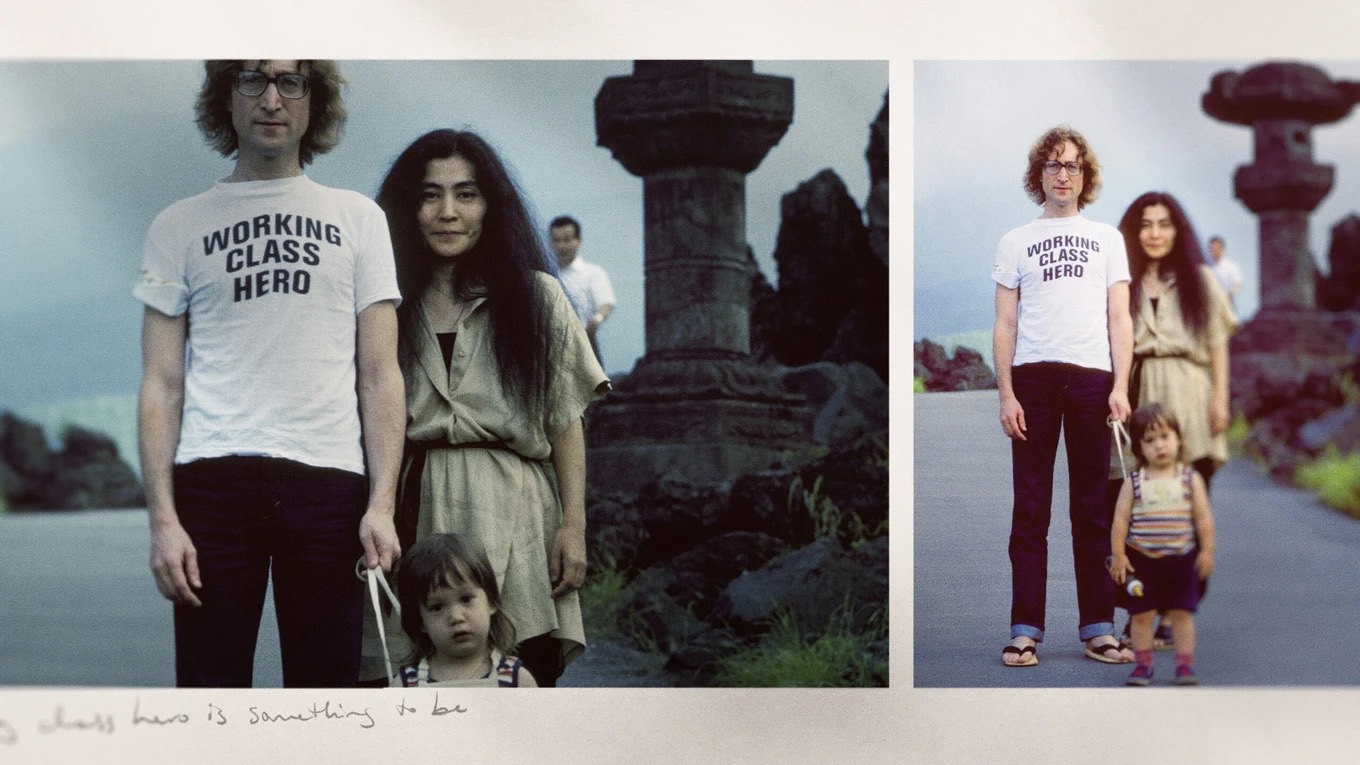
AI in cinema is easy to reject when the examples are ugly, opportunistic, or obviously hollow. It becomes harder when someone with serious filmmaking credibility steps into the debate. Steven Soderbergh's John Lennon: The Last Interview, presented in Cannes' Special Screenings section, became one of those moments because it used AI-assisted imagery inside a documentary built around Lennon's final radio interview.
The AP reported that Soderbergh used Meta's AI tools to generate surreal visual material around Lennon's conversation. That matters because this is not the usual 'AI replaces a crew' headline. It sits closer to a question cinematographers, editors, documentarians, and archive filmmakers already understand: what images do you use when the emotional material exists but the visual record is incomplete?
That does not make the answer automatically right. Critics at Cannes pushed back, and the unease is understandable. A documentary about a real person, a real final day, and a culturally loaded archive asks for unusual care. But this is exactly why Soderbergh's example matters. It moves the debate from 'can AI make a clip?' to 'what should AI be allowed to do inside the grammar of a real film?'
The archive question is also a cinematography question
A cinematographer's job is not only to make something look good. It is to decide what kind of image a story can morally carry. Darkness, grain, softness, restraint, handheld movement, practical light, abstraction, distance, and absence are all choices. In documentary, the absence can be as meaningful as the footage.
That is why AI-generated imagery around archival material is not a small technical decision. It changes the emotional contract. If the image looks too complete, it can pretend to be memory. If it looks too synthetic, it can pull the viewer out of the subject. If it is used with clarity and restraint, it might become another expressive layer. The hard part is that audiences do not always know which mode they are in.
The Lennon example is useful because it sits right on that edge. It is not just an AI story. It is a story about how filmmakers fill the space between truth, impression, absence, and spectacle.
Hell Grind exposed the hype layer
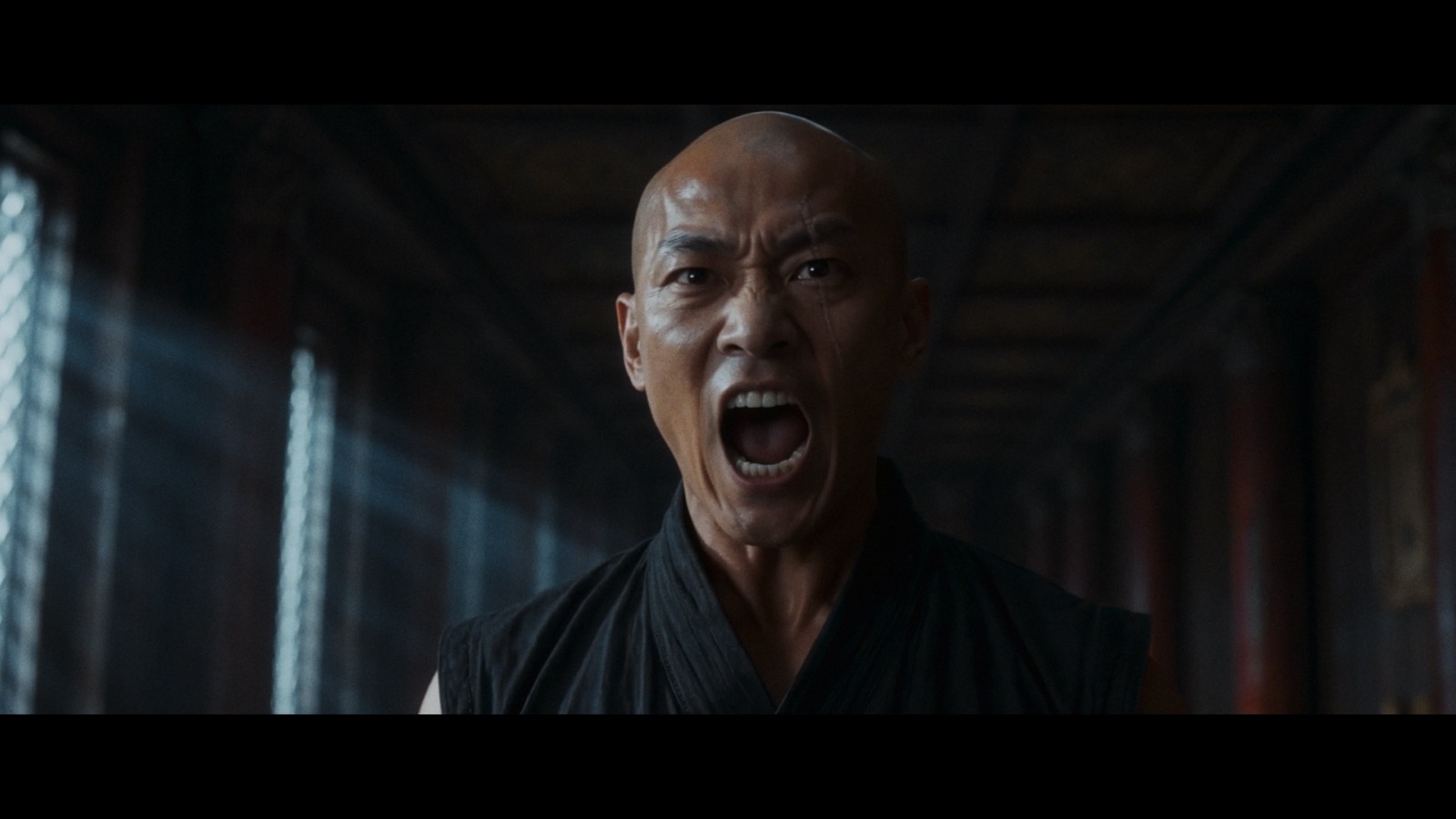
Then there was Hell Grind, the AI-generated feature that generated exactly the kind of headline confusion the industry is now built to amplify. The film was widely discussed as if it had 'premiered at Cannes', but reporting from Creative Bloq and others clarified the distinction: it was shown at an industry-side event in Cannes, not as part of the official Festival de Cannes programme.
That distinction matters. A side event in the city is not the same thing as official festival validation. But the confusion also shows why this moment is potent. The phrase 'at Cannes' has brand power. It turns a pipeline demo into a legitimacy story. The film's reported production claims - a small team, a short timescale, heavy compute cost, and a feature-length output - are designed to make traditional production look slow, expensive, and overstaffed.
The more interesting question is not whether Hell Grind is good. It is whether the industry can separate proof-of-capability from proof-of-cinema. A 95-minute output is not the same as a film that understands performance, rhythm, subtext, lens language, production design, acting, blocking, sound, and audience trust. AI can collapse some production steps. It cannot automatically replace the judgement those steps were meant to carry.
The real Cannes story was the market
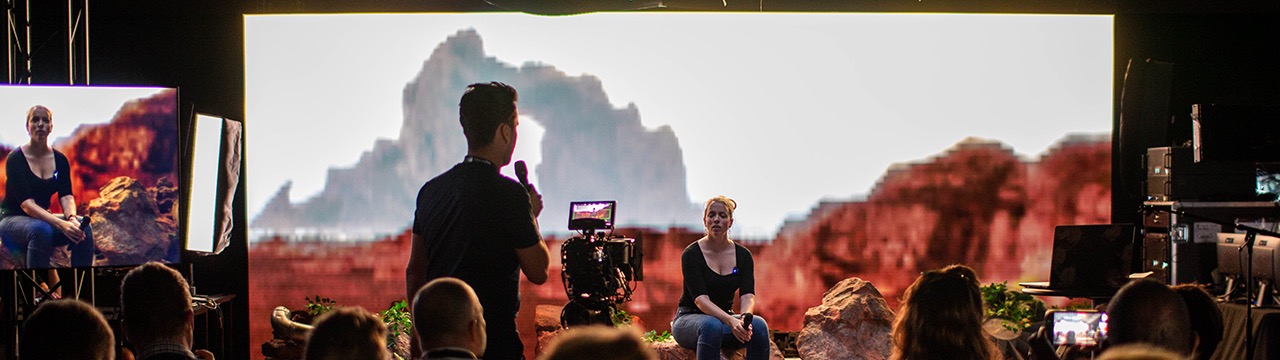
The festival gives the argument glamour, but the market gives it consequences. Cannes Next and the Marché du Film framed AI around production workflows, responsible use, education, investment, and access. MIPCOM then announced a dedicated AI Entertainment Forum for October, explicitly connecting AI to creation, production workflow, localisation, licensing, archives, distribution, and the economics of content.
That is the shift. AI is no longer being presented only as a creative toy. It is being packaged as infrastructure: a way to generate, adapt, dub, localise, market, monetise, and re-surface content libraries. That is a very different kind of pressure from a flashy video model launch. It affects producers, streamers, rights holders, agencies, distributors, performers, crew, and anyone whose work sits somewhere in the chain between idea and audience.
For Vertical Haus, this is the part worth paying attention to. The value is not in saying 'AI can make video'. Everyone knows that now. The value is in designing workflows where the tool supports a creative and commercial goal without making the work feel generic, legally fragile, or emotionally vacant.
Rights are becoming a creative feature
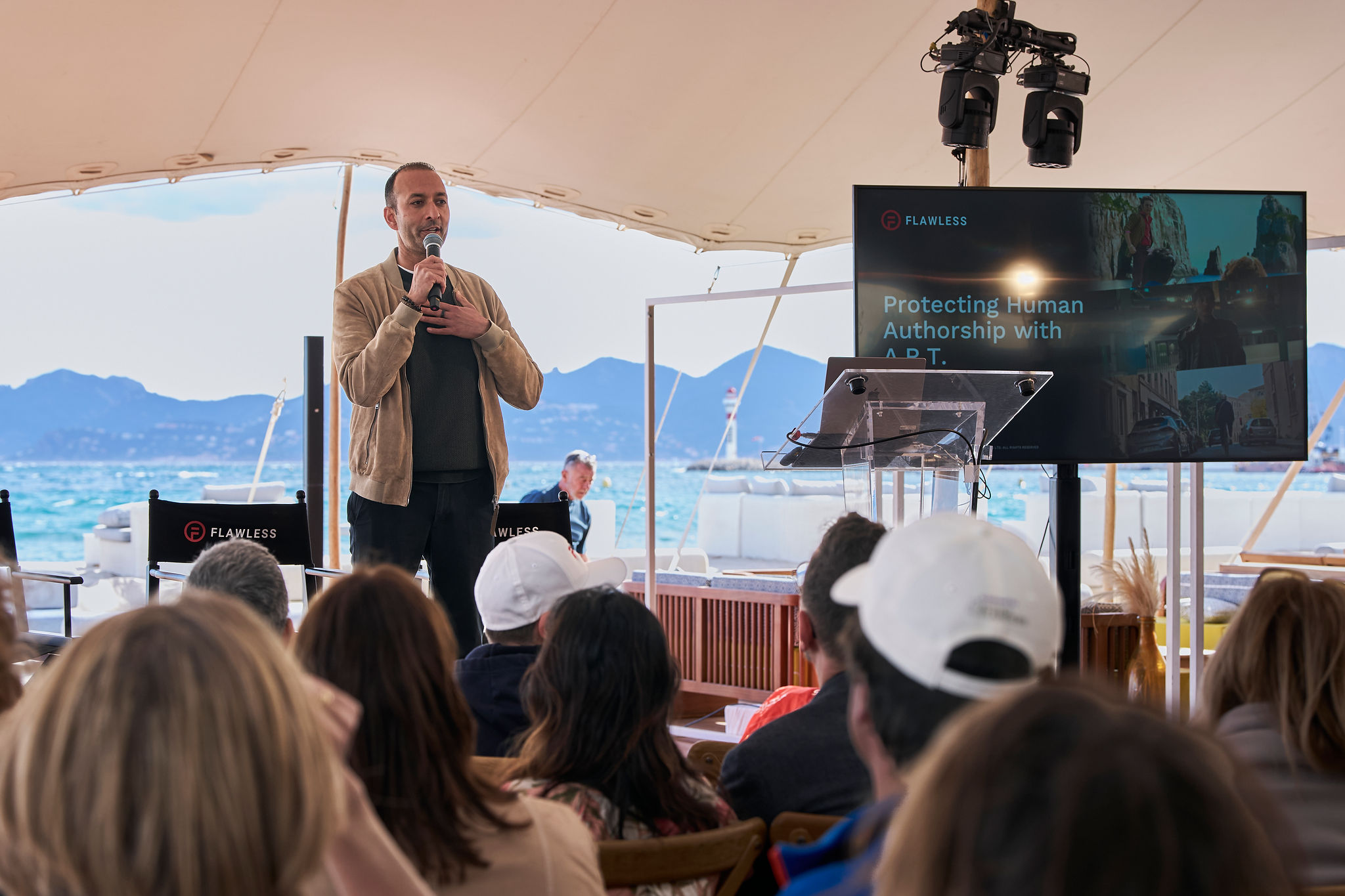
The most mature AI conversation at Cannes may not have been about image quality at all. Flawless used the festival moment to announce a rights-first AI filmmaking platform, positioning consent, performer protections, and creative control as part of the product itself.
That matters because the film industry's fear is not only that AI can create an image. The fear is that it can create an image without permission, context, labour, or accountability. In that environment, a rights-first approach is not just legal housekeeping. It becomes part of the creative promise. The tool is saying: you can use this without pretending artists are disposable.
This is where the next serious divide may sit. Not AI versus no AI, but extractive AI versus permissioned AI; replacement logic versus assistive logic; anonymous model output versus systems that protect the people whose faces, voices, performances, and creative decisions give cinema its value.
Resolution is not the threshold
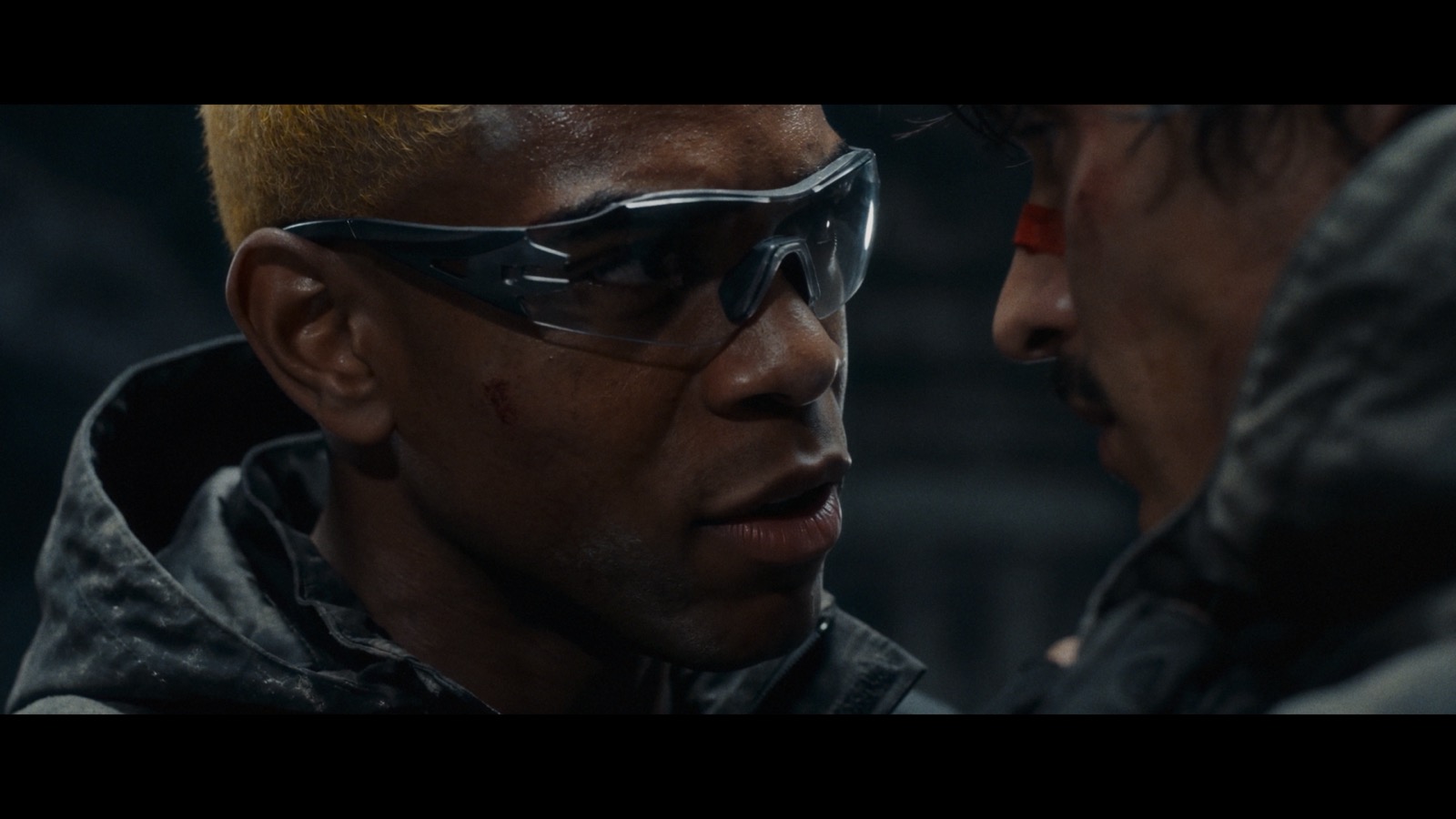
There is another conversation happening in parallel: AI video quality is improving fast. Native 4K generation, more consistent characters, model orchestration, controllable video-to-video tools, conversational video editing, and multi-model creative platforms all point in the same direction. The work is moving from prompt novelty toward production control.
But resolution is the wrong threshold for cinema. A cleaner image can still be a dead image. A stable character can still be a shallow character. A consistent world can still lack point of view. The hard problem is not only visual fidelity. It is direction.
Cinematography has always understood this. Cameras got better, sensors got cleaner, stabilisation got smoother, LEDs got smarter, virtual production got more accessible. None of that removed the need for taste. AI video will follow the same rule. The stronger the tool becomes, the more visible the author's judgement becomes.
The labour question is emotional, not abstract
For working creatives, this debate lands differently than it does for executives. If you are a cinematographer, editor, designer, colourist, assistant, gaffer, sound recordist, producer, or freelancer already dealing with unstable work, AI headlines are not abstract. They arrive as another pressure on top of an industry that has already asked people to absorb too much uncertainty.
That is why the tone matters. When AI companies sell a future of fewer people, no physical exhaustion, less friction, and one person making a whole film, they may think they are selling empowerment. To many working creatives, it sounds like erasure with a better pitch deck.
The more useful version of AI has to be more honest. It should reduce pointless friction, open new visual routes, make small teams more capable, help with impossible constraints, support iteration, and protect the human centre of the work. It should not pretend that the absence of people is automatically progress.
The line is authorship
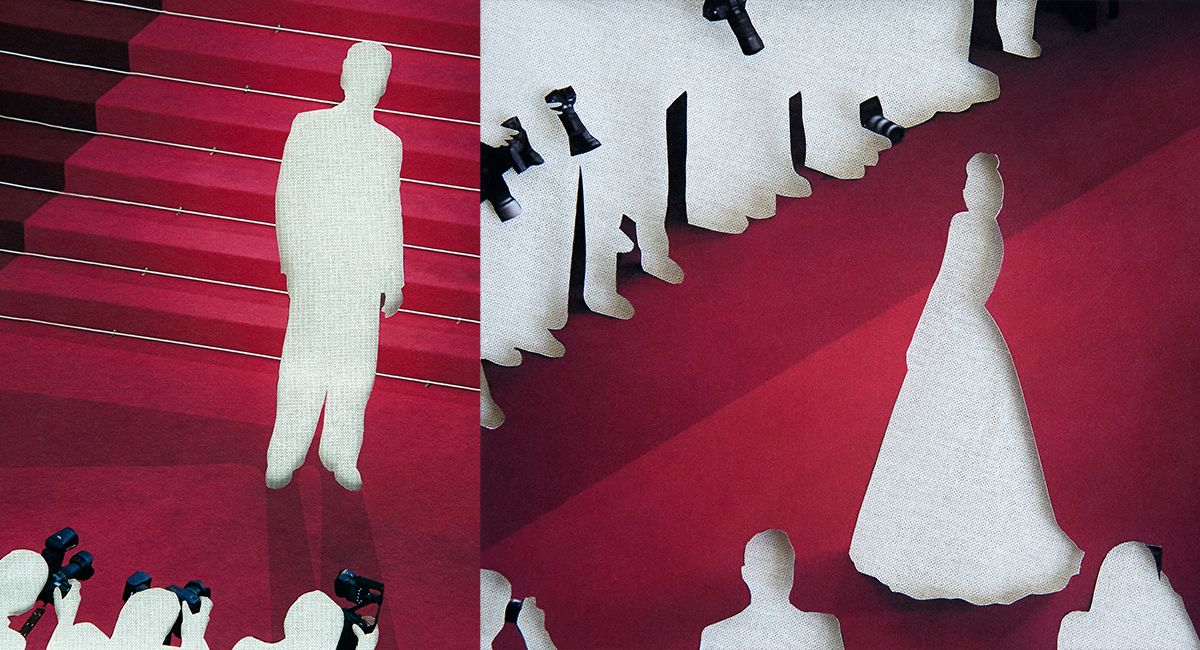
So where is the line? I do not think it is the tool. A camera is a tool. A light is a tool. A grading suite is a tool. A model can be a tool. The line is authorship: who is making the decisions, who consented, who benefits, who is credited, who is protected, and whether the final work carries a human point of view strong enough to survive the machinery.
Cannes 2026 did not solve that. It made the question unavoidable. The strongest creative response is not to become anti-tool or pro-hype. It is to become more precise. What problem is the AI solving? What part of the work should remain human? What rights are attached? What does the audience need to know? What craft is being preserved, and what craft is being discarded because the spreadsheet prefers it?
That is the blog-worthy part. Cannes showed that AI cinema is not one thing. It is an aesthetic argument, a labour argument, a rights argument, a workflow argument, a market argument, and a mental health argument. The people who can hold all of those at once will shape the next phase better than the people shouting from either extreme.
Build
Need a repeatable AI production workflow?
Mike designs the tools, review loops, and publishing systems that make it usable.
Launching a business of your own? Founder Launch OS connects the brand, offer, website and visual campaign in one guided Codex or Claude Code workspace.
Keep reading
Related notes
 AI Filmmaking Industry / 9 min readAdrenaline Junkies Changes What an ‘Unproduceable’ Commercial Means
 AI Filmmaking Industry / 7 min readHailuo H3 Max and Infinite Slop: What Happens When Video Never Ends?
 AI Filmmaking Industry / 10 min readXero’s AI-Generated Performers: What Commercial Localisation Has to Control