Blog
Notes on filmmaking and AI production.
Tools, workflows, rights, and creative control.
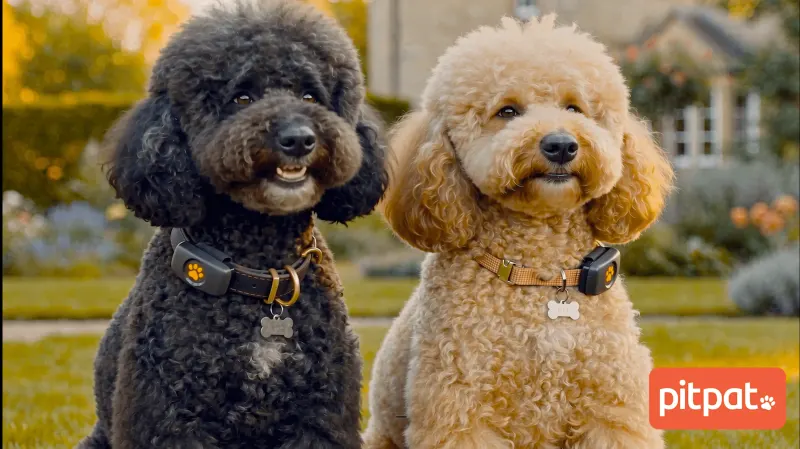
PitPat Shows Where Synthetic Audience Testing Belongs in Production
Use a synthetic audience to find questions, compare versions and expose weak messaging while the work can still change. Do not let it become a fictional focus group that approves its own assumptions. PitPat's new television campaign is useful because the AI affected both the pictures and the approval loop.
Read post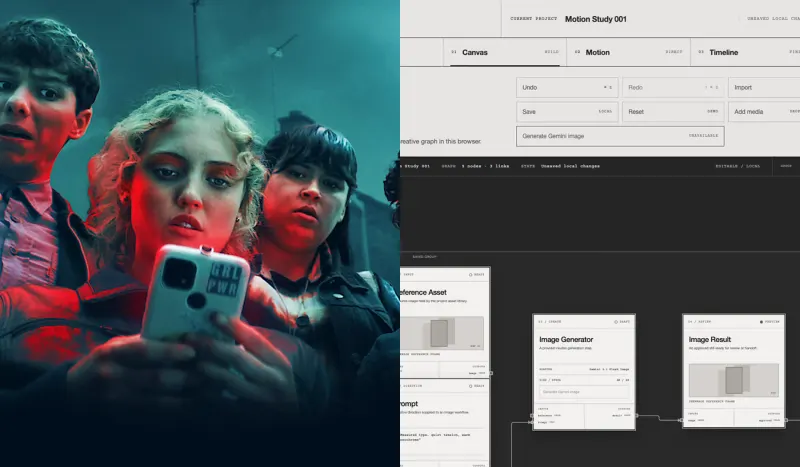
Creative Technologist for Film and Commercials: When to Hire One
Hire a creative technologist when the job crosses creative direction, production craft and technical delivery—and no single vendor owns the whole path. The useful outcome is not an AI demo. It is a controlled workflow your producers can approve, your artists can use and your team can continue after handover.
Read post
GenAI Creative Technology Signals: October 2, 2026
This week, reusable creative pipelines became callable APIs, Adobe put precise editing controls inside an AI conversation, Meta made approval a stated boundary for a connected business agent, and an AI film competition moved a solo concept toward a $2.5 million feature. The operating signal is not simply that creation is faster: the brief, authority, evidence and handoff now have to survive across systems.
Read post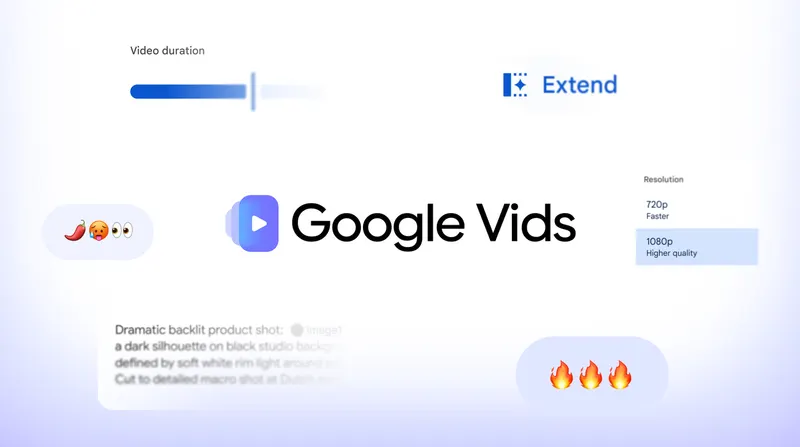
GenAI Creative Technology Signals: September 25, 2026
This week, free HD generation moved into Google Vids, YouTube joined conversational editing to likeness protection, Google put a product-answering agent beside video ads, and ElevenLabs showed a campaign system running from brief to distribution. The buyer signal is not simply more automation: approval evidence now has to move as quickly as the creative.
Read post
GenAI Creative Technology Signals: September 18, 2026
This week, advertising became conversational, voice models gained stronger production benchmarks, Adobe extended its contributor-payment cycle as Stock video entered Firefly training, and broadcasters backed a vendor-agnostic agent framework for live production. The shared signal is that AI is moving closer to commercial decisions—so teams need to define whose facts, rights and authority travel with it.
Read post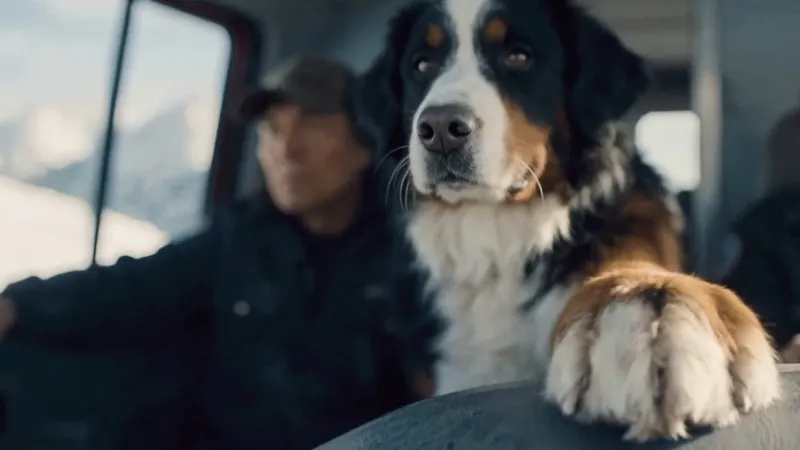
Adrenaline Junkies Changes What an ‘Unproduceable’ Commercial Means
OneDay revived a 30-year-old advertising script as an 85-shot AI film without treating craft, performers or post-production as optional. The case is useful because it shifts the greenlight question from ‘can we shoot this?’ to ‘can we control, clear and finish it?’
Read post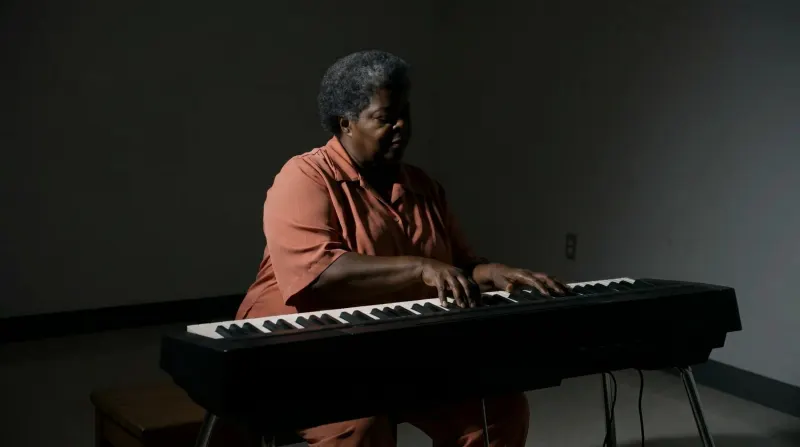
AI Video Exposure Needs Anchors, Not Mood Words
A prompt can ask for low-key, moody or chiaroscuro lighting and still let exposure wander between frames and across coverage. Cinematographers need an exposure card that fixes the subject, highlight ceiling, shadow floor and practical-light behaviour before a generated clip is approved.
Read post
AI Image Editing Needs a Reference Lock
ChatGPT Images 2.5 can preserve a subject, composition and brand treatment through more edits. That is useful, but commercial teams still need to define what must not change, measure every accepted delta and retain the source, rights and provenance record outside the conversation.
Read post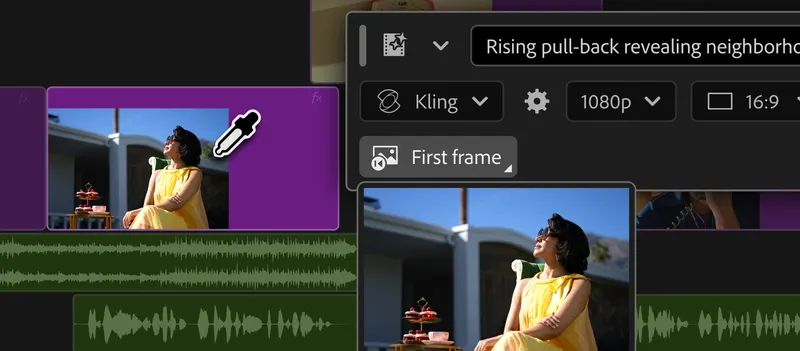
GenAI Creative Technology Signals: September 11, 2026
This week, generation moved into the edit timeline, agents gained a managed runtime, an agentic CTV campaign produced its first reported operating results, and licensed AI music gained a route into distribution. The common signal is that creative AI is becoming executable infrastructure—and every shortcut now needs an owner, limit and receipt.
Read post
Adobe’s Times Square AI Takeover Was a Delivery-System Test
Adobe’s Firefly takeover put 392 images and videos across 38 Times Square screens in 30 aspect ratios, while a live activation sent audience-made work onto street-level displays. The useful lesson is not that AI can make more pictures. It is that generation only becomes commercial production when versioning, approval, provenance and playback are designed as one system.
Read post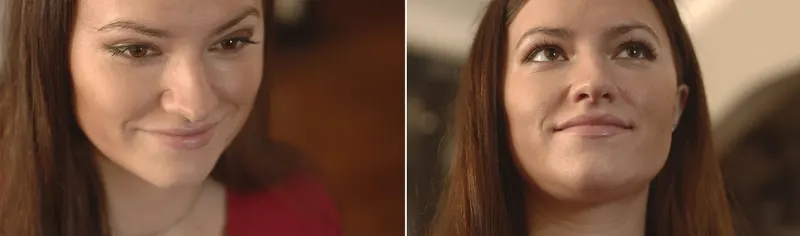
AI Video Camera Angles Need More Than High or Low
A high-angle prompt can still produce the wrong shot if the camera height, pitch, horizon, eyeline and verticals are left for the model to invent. Cinematographers need an angle card that describes the viewpoint as visible geometry—and a review method that keeps it coherent through movement and across the cut.
Read post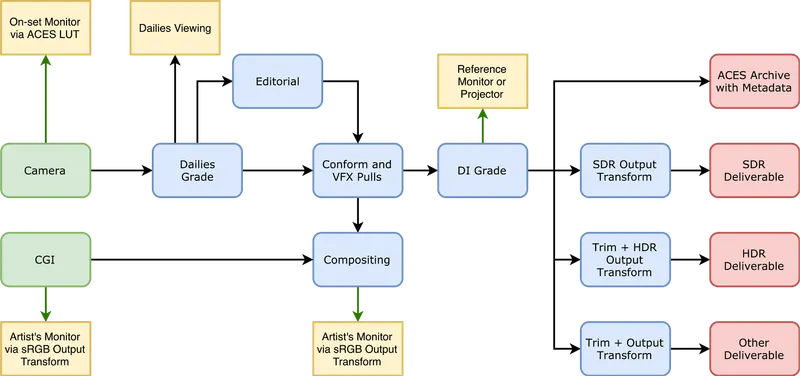
AI Video Can Deliver ACEScg EXR. Is Your Pipeline Ready?
Runway can now deliver generated and converted HDR video as ACEScg OpenEXR sequences. That makes AI footage easier to place inside a professional VFX pipeline—but only if production defines the colour config, viewing transform, provenance record and approval test before the first sequence arrives.
Read post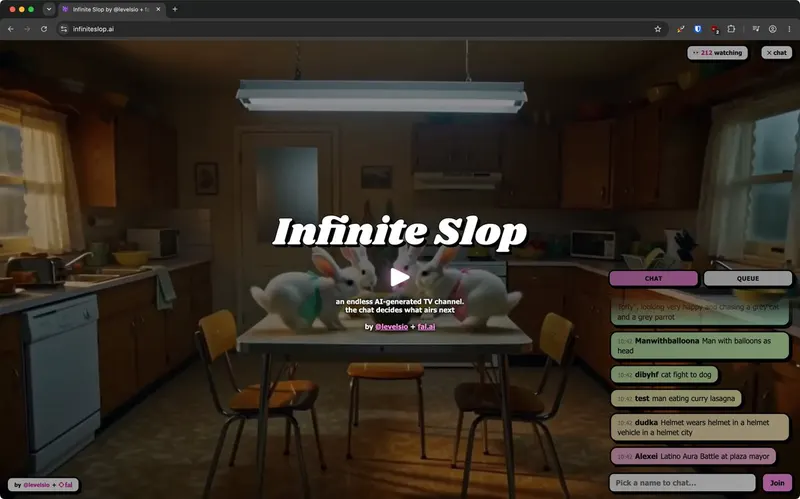
Hailuo H3 Max and Infinite Slop: What Happens When Video Never Ends?
When AI can generate the next scene faster than an audience can watch the current one, video becomes something we can influence while it plays. Pieter Levels’ Infinite Slop offers an early glimpse of that shift. The interesting question is what happens to attention, authorship and shared culture when the programme no longer needs to end.
Read post
GenAI Creative Technology Signals: September 4, 2026
This week, AI image generation entered the shared document, creative tools entered the team conversation, expert corrections became reusable agent knowledge, and video platforms began turning audience insight into action. The common signal is that creative AI is becoming workflow infrastructure—and now needs production-grade boundaries.
Read post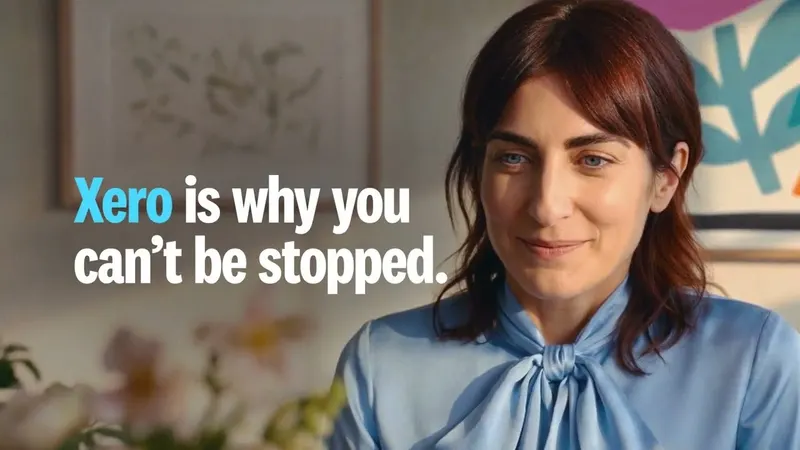
Xero’s AI-Generated Performers: What Commercial Localisation Has to Control
Yes: published campaign material identifies AI-generated performers in Xero and Argonaut’s ‘Love Changes Everything’ work. What remains undisclosed is how every performer was made, cleared and labelled. For a production buyer, each change of face, voice or accent must therefore become a traceable rights and approval event—not a casual render variation.
Read post
AI Video Shot Size Is Not a Lens Choice
A medium shot can feel intimate, neutral or surveillant depending on where the camera seems to stand and how space falls away behind the subject. AI video tools increasingly expose shot-size and angle controls, but cinematographers still need a separate lens-perspective workflow to keep faces, backgrounds and camera moves coherent across the cut.
Read post
Your AI Video Workflow Needs a Model Exit Plan
OpenAI is closing the Sora API on September 24, while Runway is retiring tools, rotating models and changing how heavy use is priced. For brands, agencies and studios, model churn is now a production-continuity risk. The answer is a portable shot system that can survive the vendor you chose for the pitch.
Read post
GenAI Creative Technology Signals: August 28, 2026
This week, generative AI moved from impressive output towards accountable infrastructure: music charts drew a line around human authorship, voice agents became versioned production systems, design-tool access moved under enterprise identity, and a synthetic influence campaign showed why polished authority needs source checks.
Read post
TV Asahi’s Full-AI Commercial Is Really a Layered Delivery
TV Asahi put a 30-second GREEN DA・KA・RA commercial with an entirely generated picture layer into a normal national broadcast slot. The important production decision was not simply to use AI. It was to keep text, sound and narration outside that generated layer—and to make those boundaries explicit enough to deliver.
Read post
AI Video Needs a Motion Cadence, Not Just a Camera Move
A tracking shot can follow the right path and still feel wrong. The missing direction is often temporal: how movement accelerates, how blur joins one frame to the next, where the action peaks and when the image becomes readable again. Cinematographers need to design and review that cadence before choosing a generated take.
Read post
Your AI Ad Needs a Disclosure Gate, Not a Disclaimer
IAB’s new disclosure framework makes the operational problem clear: brands cannot solve AI transparency by adding a label at export. They need a repeatable gate that follows each synthetic element from brief and consent through platform delivery, with one named owner accountable for the decision.
Read post
GenAI Creative Technology Signals: August 21, 2026
This week, AI media moved deeper into the operating system around creative work: Hollywood and ByteDance agreed a guardrail framework, advertisers received a sharper disclosure test, OpenAI tightened environments where models can use tools, and Anthropic published evidence that acceleration still depends on human taste and physical execution.
Read post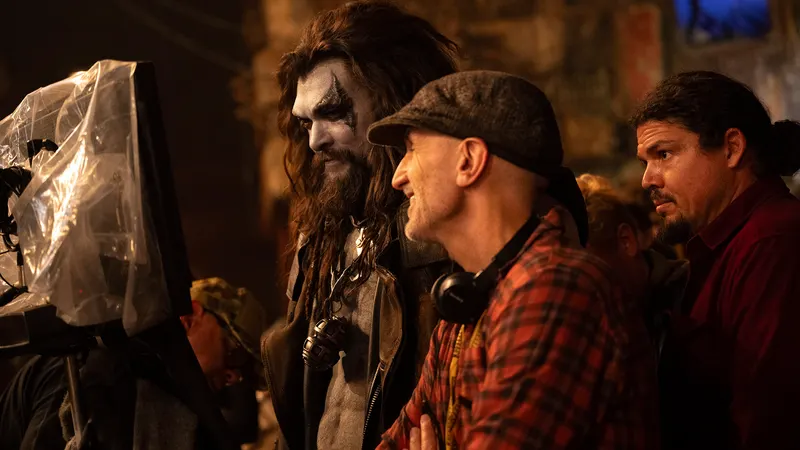
Supergirl’s AI Dispute Is a Production-Record Failure
A private behind-the-scenes video, a few disputed Lobo images and no definitive studio explanation turned a pre-production question into an audience-trust problem. The lesson is not that a blurry frame can prove AI use. It is that studios now need a production record capable of answering the question.
Read post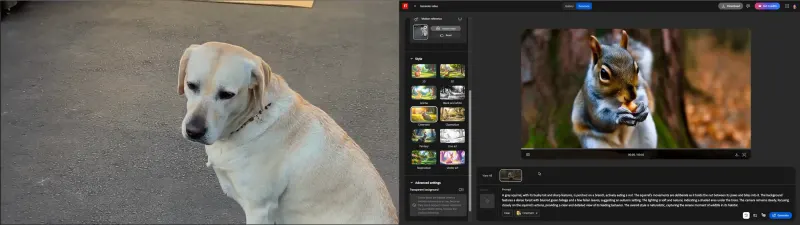
Stop Prompting the Camera Move. Shoot a Motion Reference
A tracking-shot prompt names a category, not a camera path. Motion-reference tools let cinematographers start with a performed move, but the source clip still needs deliberate blocking, parallax, pace and composition—and the generated result still needs frame-by-frame review.
Read post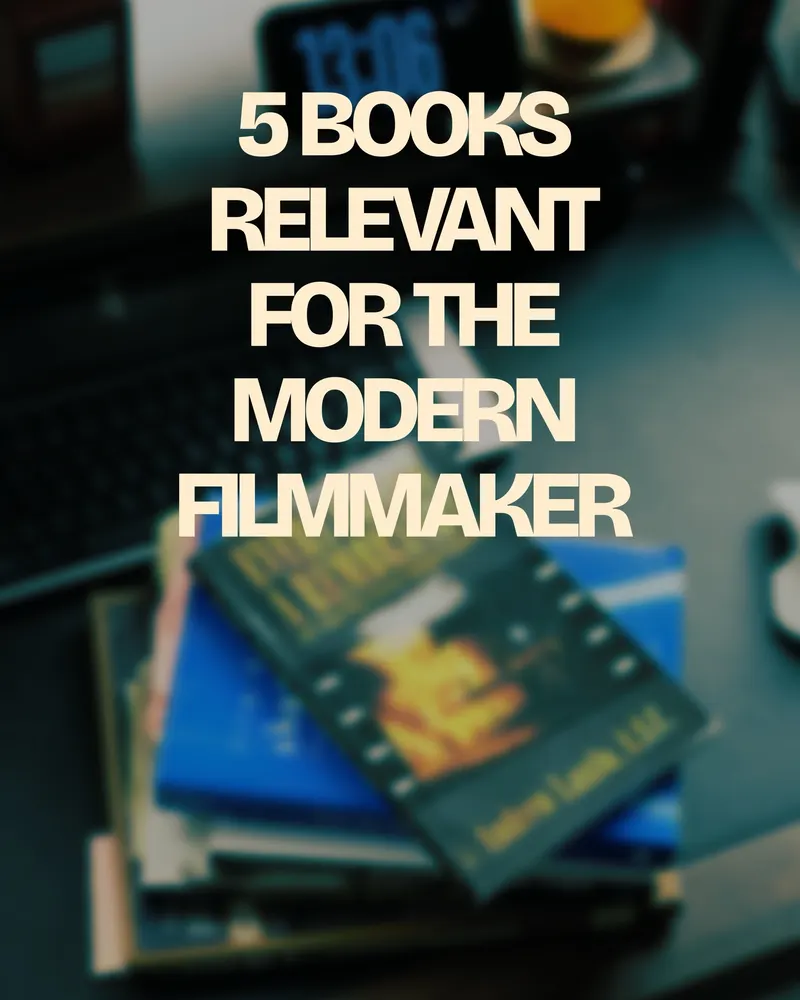
5 Film Books That Still Matter to the Modern Filmmaker
The cameras have changed, crews have compressed and distribution now stretches from cinema screens to vertical feeds. These five books still matter because they teach the decisions beneath the technology: how to design a shot, shape light, preserve screen logic, create rhythm and turn production constraints into a visual language.
Read post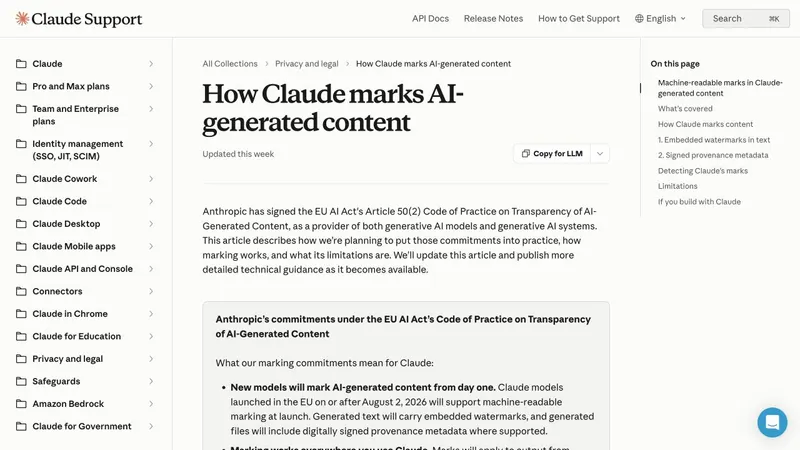
Claude’s Watermark Changes the Copy Handoff
Anthropic says new Claude models will mark generated text everywhere they are offered, and that proofreading, translation or formatting can still leave a detectable signal. For brands and agencies, the answer is not to hide the mark. It is to make authorship, AI processing, human review and publication responsibility explicit before copy leaves the workflow.
Read post
Website OS: The AI Landing Page Builder That Starts With the Brief
Website OS gives Codex or Claude Code a complete route from rough business context to a responsive landing page you can own. It is not another template or one-shot website prompt: it is a £29 guided system for deciding the message, designing the page, building the code and checking the result.
Read post
GenAI Creative Technology Signals: August 14, 2026
This week, the leverage is moving away from generation alone: European publishers are measuring a worsening scrape-to-referral bargain, Perplexity has rejected ads written for agents, music models are becoming more editable, and enterprise media teams are reporting dramatic savings that still need independent baselines.
Read post
Gods Don’t Give Gifts Turns AI Film Into a Ticket Test
Zack London spent three years building a science-fiction audience through short-form work before Fable put his anthology feature on a path to US cinemas. The important experiment is no longer whether generative images can fill a screen. It is whether internet-native IP can convert free views into paid attendance, survive theatrical finishing and produce a commercial result that means more than an AI demo.
Read post
AI Video Focus Pulls Need a Focus Choreography
A rack-focus prompt can produce a convincing blur transition, but cinematographers need more than the name of the technique. Define the two subject planes, the story cue, the transfer timing, the focus roll-off and the frame details that must remain stable, then review the result as moving optics rather than a polished still.
Read post
Why AI Agents Need Reddit but Cannot Trust It Blindly
People add “Reddit” to a search because conventional results often explain what a product promises, while comments reveal what happened after somebody bought it, installed it, returned it or lived with it for a year. AI agents need that human evidence too, but only if they can retrieve it, preserve disagreement and verify the claims that matter.
Read post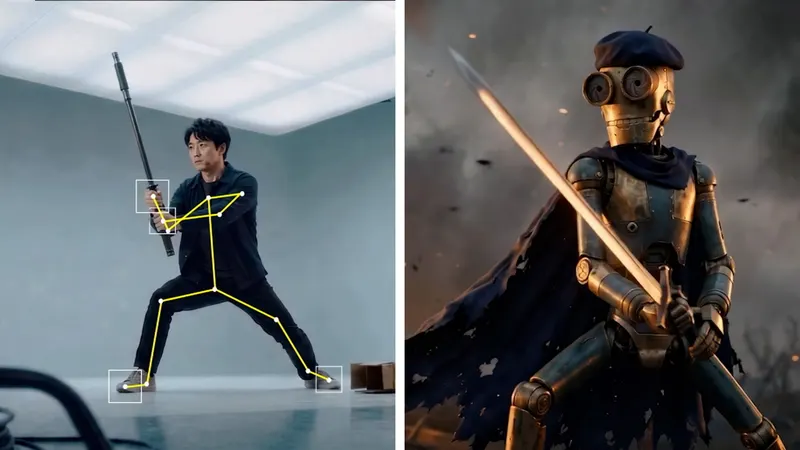
AI Video Needs a Scene System, Not a Better Prompt
Autodesk Flow Studio's new 3D Editor + Canvas workflow points to a more useful future for AI video: direct the performance, camera, timing and environment as separate production elements, then use generative models to render the approved scene. For buyers, control—not novelty—is becoming the real specification.
Read post
GenAI Creative Technology Signals: August 7, 2026
This week, the useful signals sit around the generated asset: AI discovery is getting a measurement standard, transparency duties are becoming live production requirements, conversational video editing is reaching work accounts, entertainment IP is turning into participatory template systems, and publishing still lacks enough technical scrutiny.
Read post
Astana's $1M AI Film Festival Makes the Workflow Part of the Entry
The Astana AI Film Festival is offering a $1 million prize pool, but its more consequential move is contractual: every entrant must disclose the models and production pipeline behind the film, clear a wide rights surface, and stand behind that record if the work wins.
Read post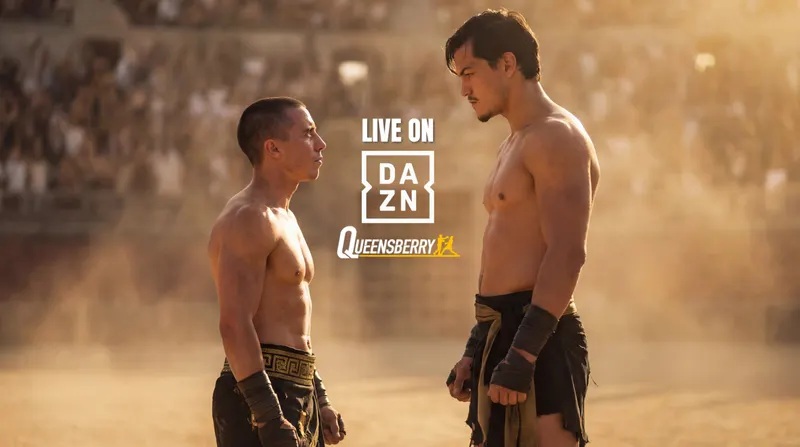
Queensberry x DAZN: A 5-Day Commercial Sprint
A 30-second boxing commercial moved from an open brief to international DAZN broadcast in under five days. The useful part of the story is not speed on its own, but how a compressed AI-assisted workflow still protected tone, edit discipline and broadcast finish.
Read post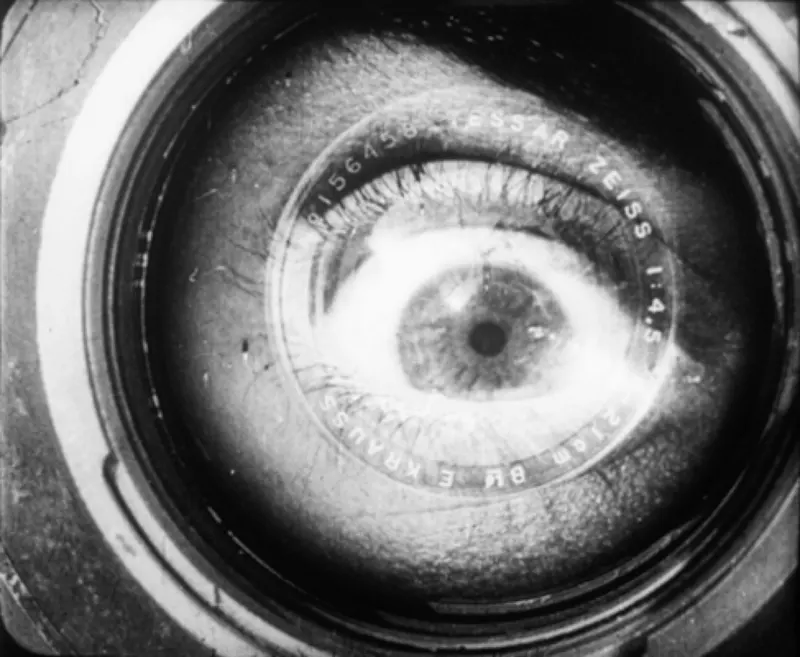
AI Documentary Disclosure Workflow for Producers
AI can help documentary teams rebuild impossible moments, clean up archive gaps and test visual language. The commercial problem is disclosure: producers need a practical record of what was generated, what was reconstructed, what was licensed and what the audience is being asked to believe.
Read post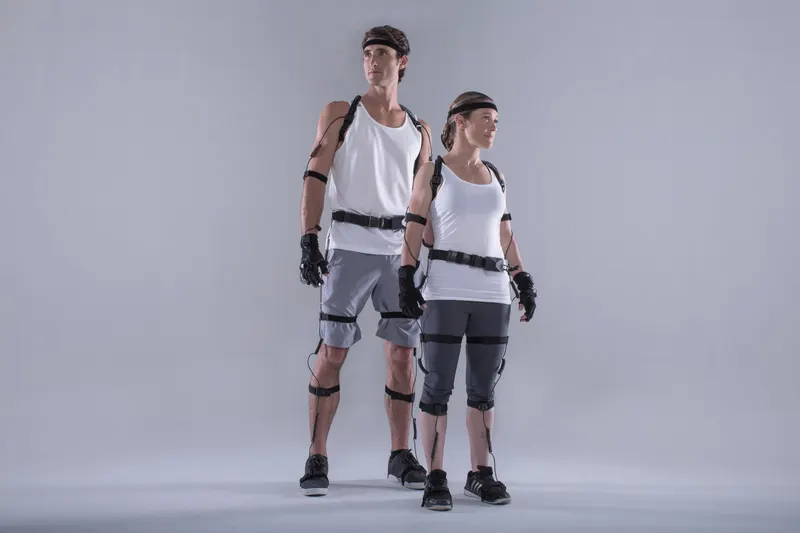
Synthetic Performer Continuity Is a Rights Workflow
AI characters and digital replicas do not only create an image problem. They create a continuity, consent and control problem that has to be managed like casting, performance, VFX, legal and archive at the same time.
Read post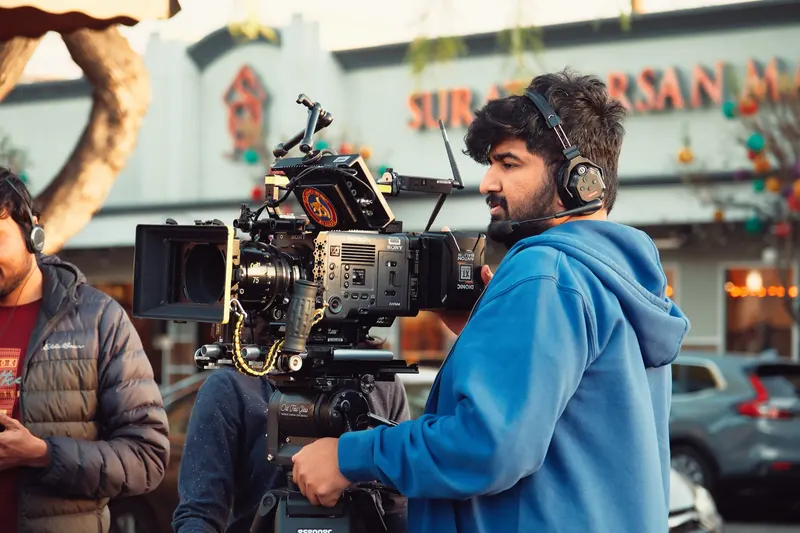
AI Video Prompt Shot Language for Cinematographers
AI video improves when prompts stop describing style and start describing shots. Cinematographers need a repeatable language for framing, blocking, lens intent, camera movement, light, continuity and review.
Read post
ChatGPT and Claude Website Workflow for Founders
Founders can use ChatGPT, Codex and Claude Code to build real websites, but the winning workflow is not one magic prompt. It is a sequence: positioning, proof, page map, source files, local review, SEO metadata, analytics and controlled deployment.
Read post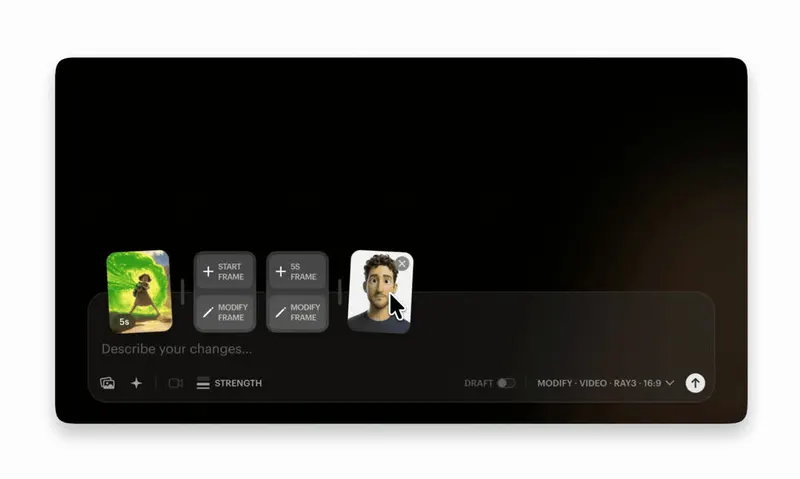
Choose the Control Before You Prompt AI Video
Text, a start frame, two keyframes, reference ingredients, and source video do different cinematography jobs. The fastest route to a usable shot is to decide what must survive first, then choose the control that can actually preserve it.
Read post
The AI Act Is Live. Ask AI Suppliers for the Evidence Pack.
The EU's Article 50 transparency rules now apply. For brands and studios buying AI-assisted work, a supplier saying it uses compliant tools is no longer enough: the delivery needs to show who carried each duty, what the final asset represents, how it was marked or disclosed, and what evidence survives publication.
Read post
GenAI Creative Technology Signals: July 31, 2026
This week's signals show generative AI leaving the isolated creation tool and entering the systems around the work: recurring agents, advertising intelligence, document review, brand production and television craft.
Read post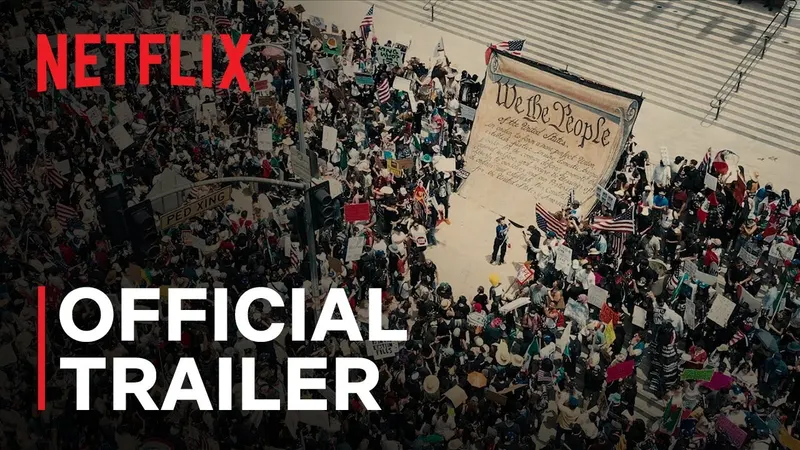
Netflix’s 17 AI-Enhanced Minutes Need a Better Evidence Trail
Netflix says The American Experiment used 17 minutes of AI-enhanced footage, delivered twice as fast and at half the cost of previous options. The production achievement is real. So is the documentary problem: viewers need to know which images are records, reenactments, or synthetic constructions.
Read post
AI Video Blocking Needs a Continuity Map
A generated character can look consistent while the scene around them quietly stops making spatial sense. Before prompting coverage, cinematographers need to map positions, eyelines, entrances, exits, props, and the axis the edit must preserve.
Read post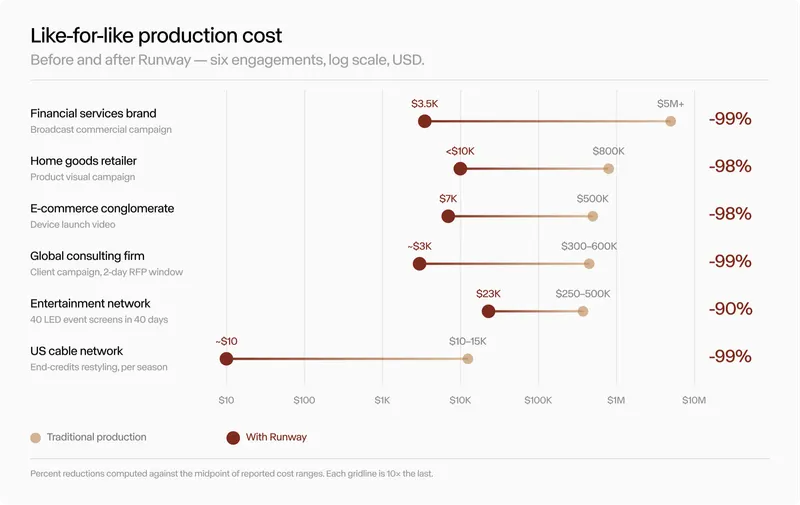
AI Video Costs Are Collapsing. Measure the Finished Asset.
Runway's new enterprise study reports extraordinary reductions in production cost and time. Buyers should take the signal seriously without treating generation spend as the whole business case: the unit that matters is an approved, rights-cleared asset that performs.
Read post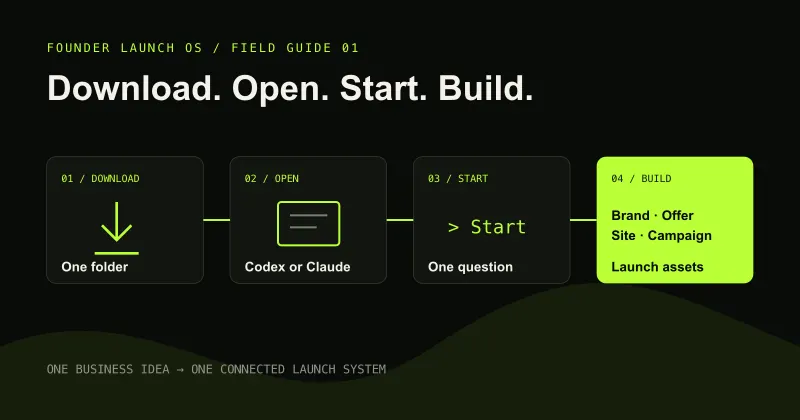
How to Use Founder Launch OS: From Download to Launch
A practical walkthrough for opening Founder Launch OS in Codex or Claude Code, completing the guided onboarding and turning one business idea into usable launch assets.
Read post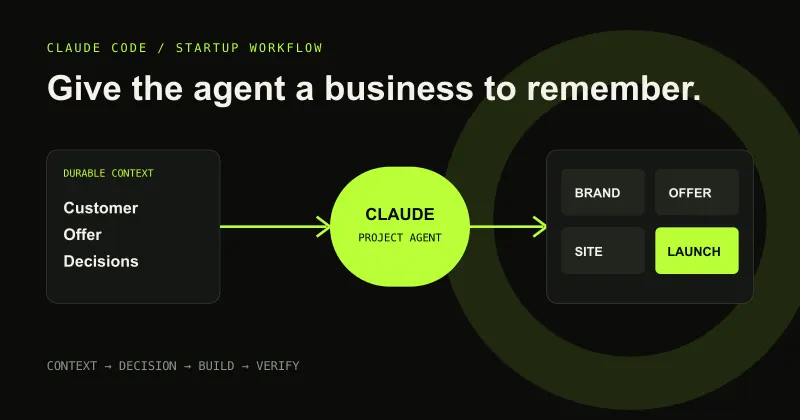
How to Use Claude Code to Help Launch a Startup
Claude Code can do more than write software, but only when the business context, decisions and deliverables are organised around a real launch sequence.
Read post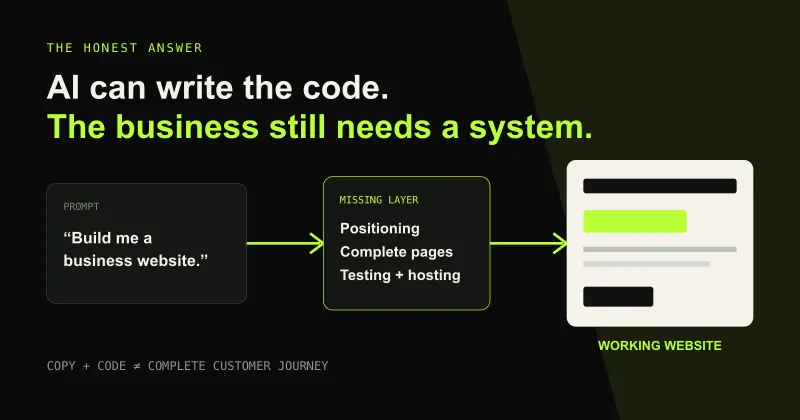
Can ChatGPT Build a Business Website?
ChatGPT, Codex and Claude Code can help build a real business website. The hard part is turning the founder's offer, proof, SEO, analytics and publishing path into a controlled system.
Read post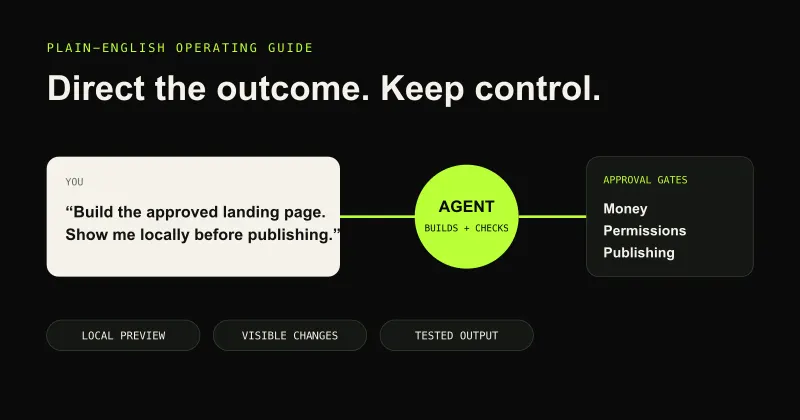
Claude Code for Non-Technical Founders: A Plain-English Guide
You do not need to become a developer, but you do need a safe way to describe outcomes, review decisions and know when an AI agent is asking for meaningful permission.
Read post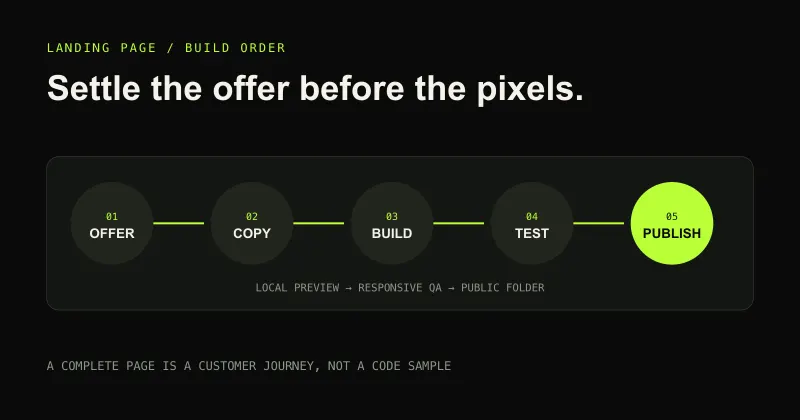
How to Build a Startup Landing Page with Claude Code
The code is rarely the hardest part. A strong landing page connects one customer problem to one offer, supplies enough evidence to act and survives the practical journey from local preview to production.
Read post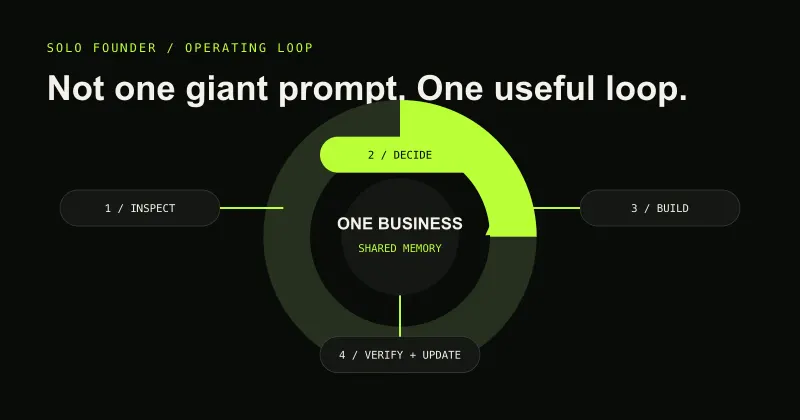
The Best AI Workflow for Solo Founders Is Not One Giant Prompt
A solo founder needs continuity more than novelty: one business memory, a sensible build order, visible approvals and outputs that remain editable outside the conversation.
Read post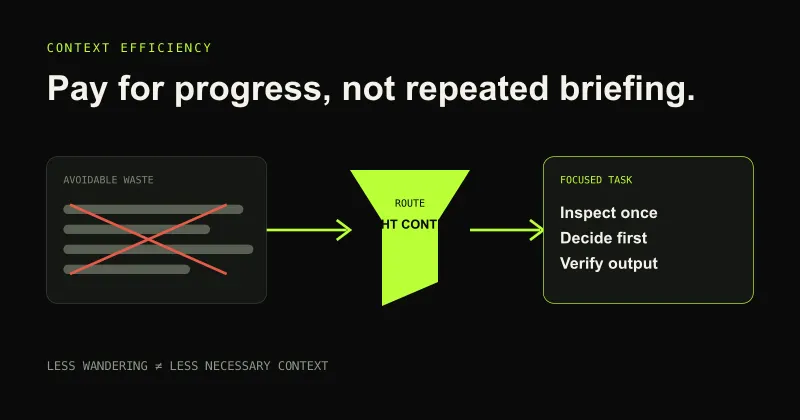
How to Reduce Claude Code and Codex Token Waste
The useful goal is not to starve an agent of context. It is to stop paying repeatedly for duplicated briefs, broad searches, premature builds and corrections that a stable project structure could have prevented.
Read post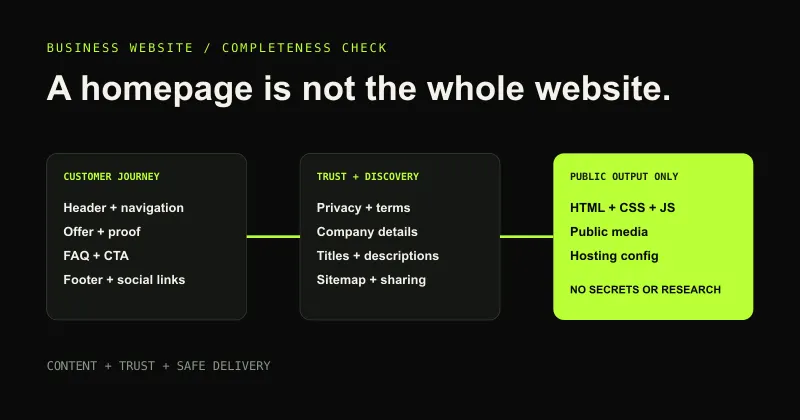
What Pages and Files Does a Business Website Actually Need?
A homepage is not a complete website. Founders also need the structural, legal, social and technical details that make the site understandable, publishable and maintainable.
Read post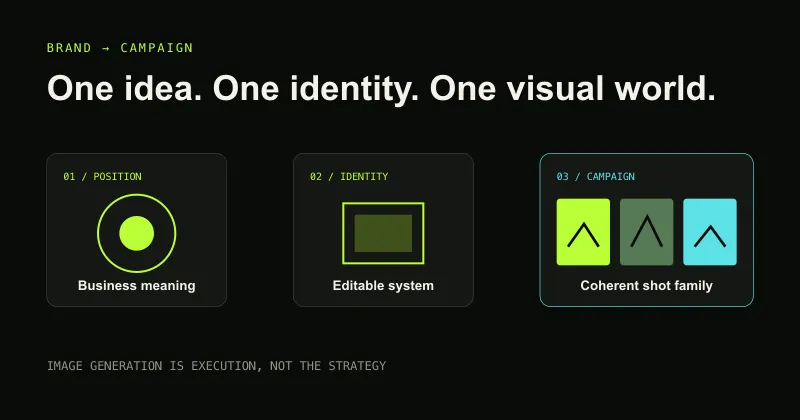
How to Use AI for a Brand Identity and Visual Campaign
AI can generate a logo or attractive image quickly. The valuable work is building a coherent system in which positioning, editable identity assets and campaign images all express the same business idea.
Read post
Founder Launch OS: A Senior Launch Team Inside One Folder
Most AI business tools give a founder more prompts, more templates and more decisions to make. Founder Launch OS takes the opposite approach: it gives Codex or Claude a structured way to learn one business, recommend a direction and build the launch with you.
Read post
GPT-5.6, Codex and Voice for Creative Teams
How creative teams can use GPT-5.6, Codex and ChatGPT Voice for research, briefs, production documents, design review and agentic execution without losing human judgment.
Read post
GenAI Creative Technology Signals: July 24, 2026
This week's useful signals are not about a new model winning a demo. They show generative AI entering the accountable parts of production: connected-TV delivery, ad-platform declarations, editorial rules and the security perimeter around autonomous agents.
Read post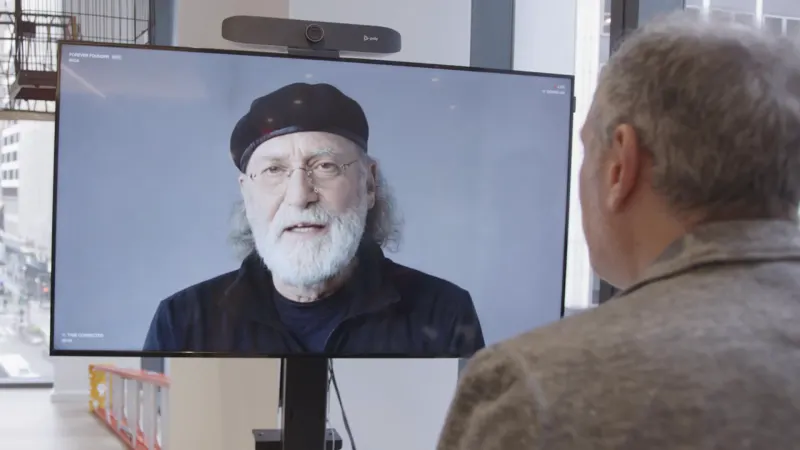
R/GA's Forever Founder Makes the AI Avatar a Governed Brand System
R/GA's live Bob Greenberg avatar did more than reproduce a founder's face and voice. It turned company history into an improvising brand interface, moving the production job from finishing one film to governing every answer the system may give next.
Read post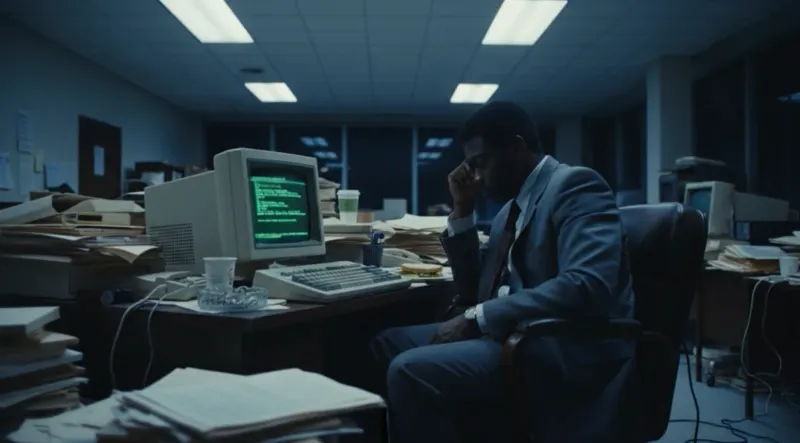
Cinematic Lighting Cheat Sheet for AI Video Prompts
Use six visible relationships: motivated source, direction, quality, colour, exposure priority and continuity rule. That is the practical difference between a lighting plan and ‘cinematic lighting’.
Read post
The EU AI Act Turns AI Labelling Into a Production Workflow
The EU's Article 50 transparency rules apply from 2 August 2026. For creative teams, the practical job is not to stamp every AI-assisted asset. It is to classify the work, preserve provenance, make the right disclosure visible, and prove the final derivative passed review.
Read post
GenAI Signals: Netflix AI Footage, Gemini in Vids and AI Agents
A practical July 2026 signal report on Netflix AI footage, Google Vids, modular AI agents, GPT-Red security testing and conversational media discovery.
Read post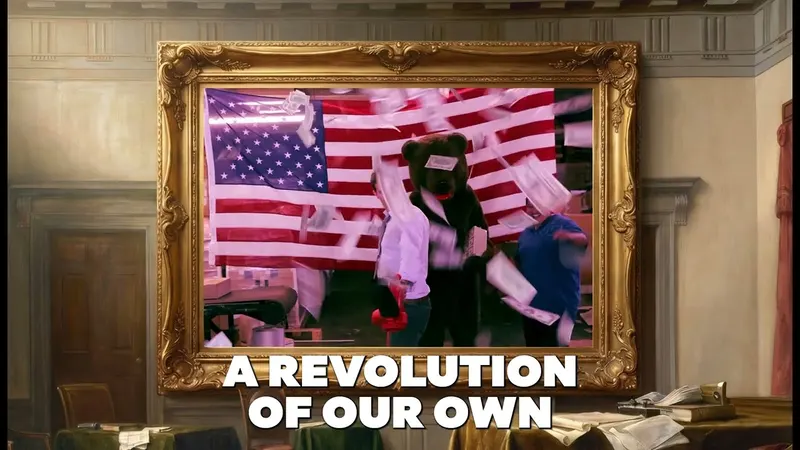
Dollar Shave Club's AI Ad Changes the In-House Production Model
Dollar Shave Club's July campaign is a useful production case because the tools are not the headline. A brand leader wrote the brief, a small internal team reached a first cut in days, and the decision to hire an agency moved from default workflow to a question of specialist craft.
Read post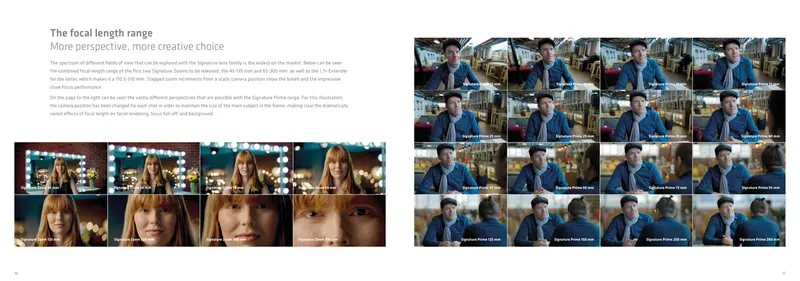
AI Video Lens Prompts Need More Than a Focal Length
A 35 mm prompt can suggest a look, but it cannot prove field of view, camera distance, focus fall-off, or perspective. The useful workflow turns lens choice into visible relationships and reviews them before the model moves.
Read post
AI Video Workflows Need an Exit Plan
Sora is closing, Veo endpoints are turning over, and Runway Dev is selling one-line model swaps. The buyer lesson is bigger than API convenience: prompts, references, shot intent, approvals, and test cases have to survive the provider.
Read post
GenAI Product Launches: AI Ad Disclosure, GPT-5.6 and Gemini Omni
A July 2026 creative technology briefing on Google AI ad disclosure, GPT-5.6 agents, GPT-Live voice, Gemini Omni video APIs and Runway marketing workflows.
Read post
Tilly Norwood AI Actor: A Buyer’s Production Checklist
Do not commission a Tilly Norwood-style synthetic performer as a finished image. Commission a controlled production system with cleared source material, performer consent, union review, continuity rules, disclosure, live-use safeguards, named approvals, and a portable handover.
Read post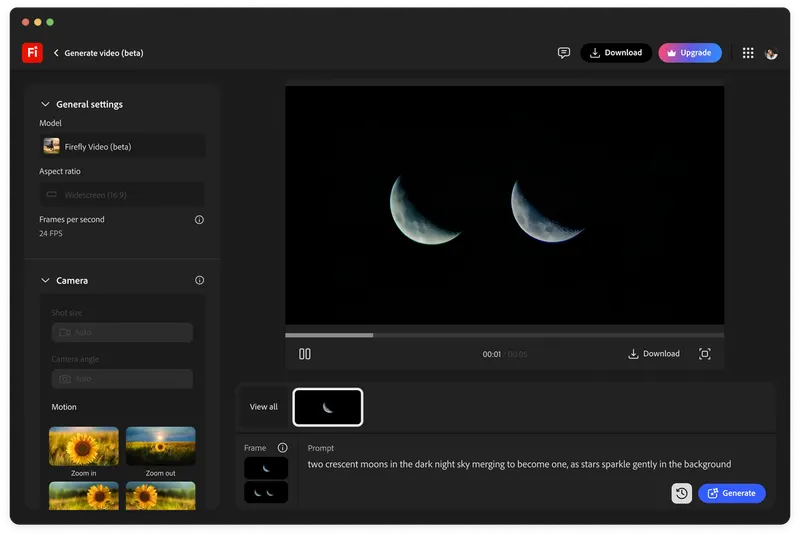
AI Camera Motion Reference for Video Prompts
AI camera motion reference works best as a cinematography rehearsal. Define blocking, choose the move, test the failure and use the reference to control video prompts.
Read post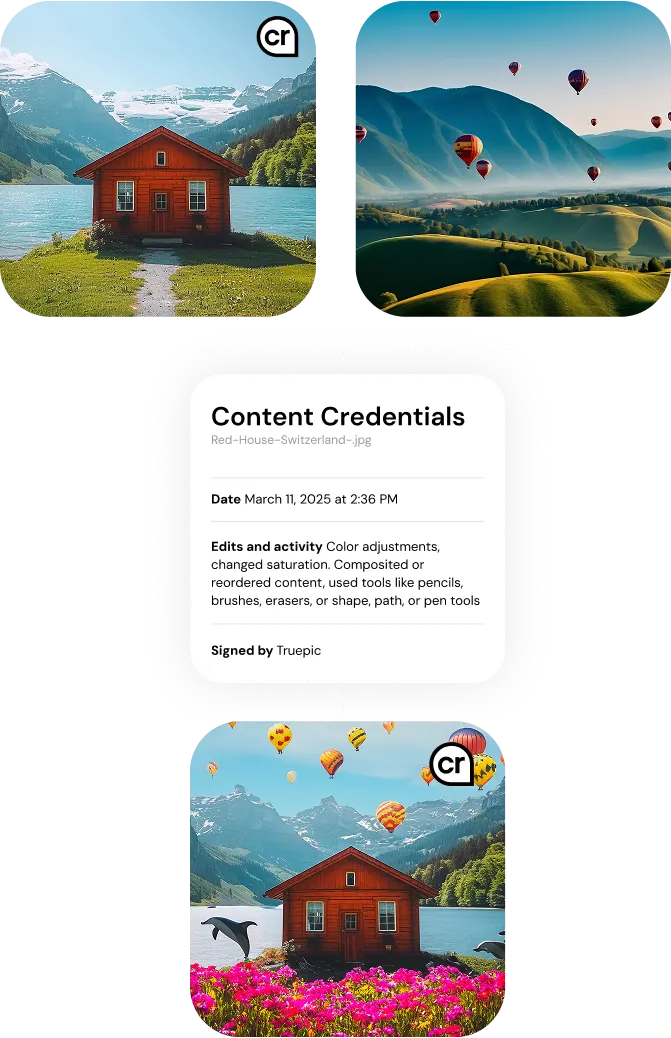
AI Provenance Workflow for Creative Teams
Creative teams need an AI provenance workflow that records prompts, references, model use, rights notes, human edits, client approval and final delivery evidence.
Read post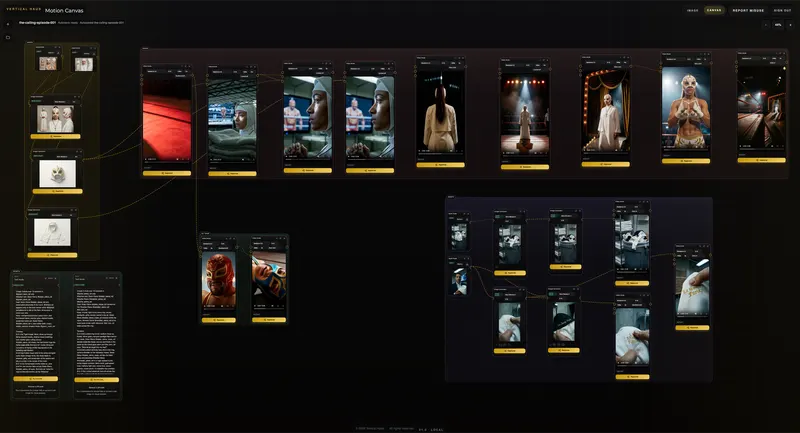
The Calling: La Santa Furia and the Image Canvas as a Pilot Machine
The useful lesson from our micro-drama pilot is not that AI replaces production. It is that an in-house image canvas, wired into Seedance 2.0, can turn a story world into a testable pilot, poster, cutdown, and launch system before a team commits to a full live-action route.
Read post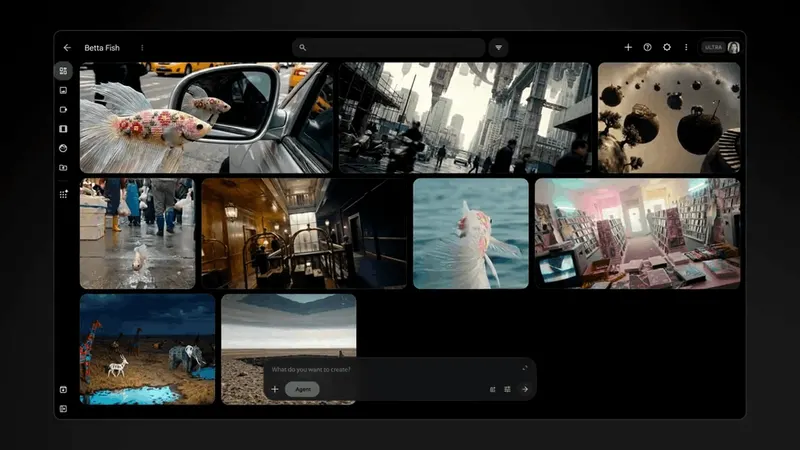
The AI Production Workflow Stack for Small Film Teams
AI video only becomes useful when it sits inside a production system: script intent, references, shot logic, rights notes, review loops, exports, and analytics. The model is one engine. The workflow is the product.
Read post
How to Generate Commercially Safe AI Video
Commercially safe AI video starts with cleared references, written shot controls, continuity review, approval evidence, provenance, and a handoff a client can audit. A tool's commercial-use terms are only one gate.
Read post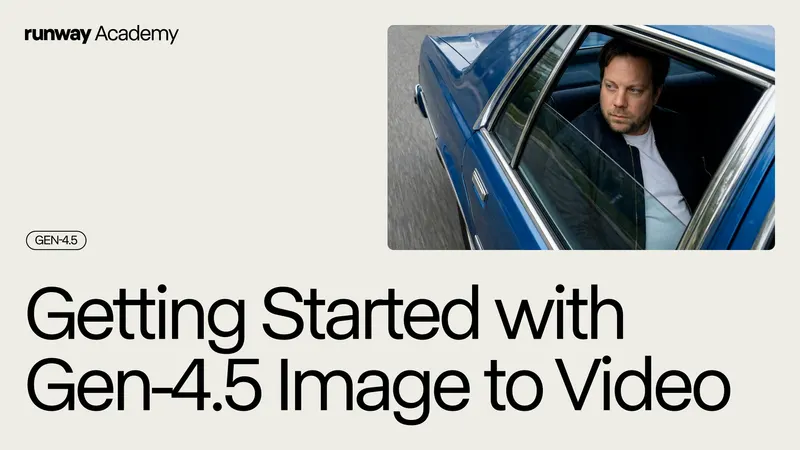
Synthetic Character Continuity Is a Production Problem
AI video models are getting better at keeping people and worlds consistent, but character continuity is not only a face-matching problem. It is a production discipline: design, wardrobe, blocking, performance, edit logic, and approval.
Read post
AI Video Prompting Works Better When You Use Shot Language
The strongest AI video prompts do not pile up camera brands and style words. They describe point of view, blocking, light, lens behaviour, movement, emotional distance, and the job the shot has to do in the edit.
Read post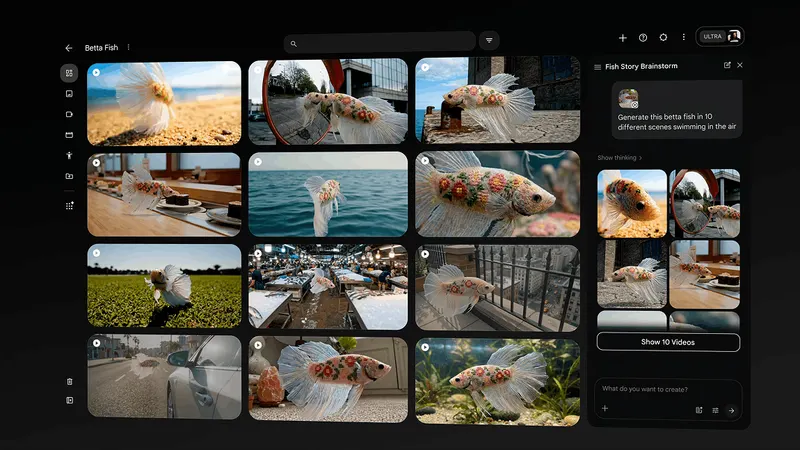
AI Previsualization for Cinematographers: The Useful Version
AI previsualization is useful when it helps a cinematographer test story logic, light, blocking, location pressure, and impossible shots before a production commits. It is dangerous when it pretends a generated clip is the production plan.
Read post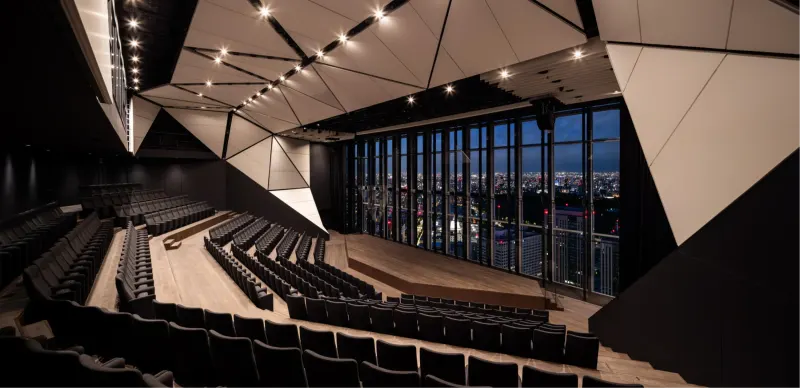
Why AI Film Festivals Are Becoming Workflow Festivals
AI film festivals are not just screening prompt-made shorts anymore. They are becoming public tests of workflow: continuity, disclosure, tool literacy, production control, and whether a generated image can survive as part of a finished piece of cinema.
Read post
AI Video Tools for Cinematographers: What Helps and What Gets in the Way
AI video tools are becoming useful, but not in the lazy way the marketing often implies. For cinematographers, the value is in reference building, look development, coverage thinking, impossible pitch material, and workflow acceleration. The danger is mistaking output for judgement.
Read post
AI Filmmaking Still Has a Set Problem
This week's AI film news makes the same point from three directions: Tribeca put a fully AI-generated feature in front of an audience, Runway turned AI film into a festival circuit, and iQIYI is selling AI as production infrastructure. The gap is no longer whether AI can make shots. It is whether it understands what a set is for.
Read post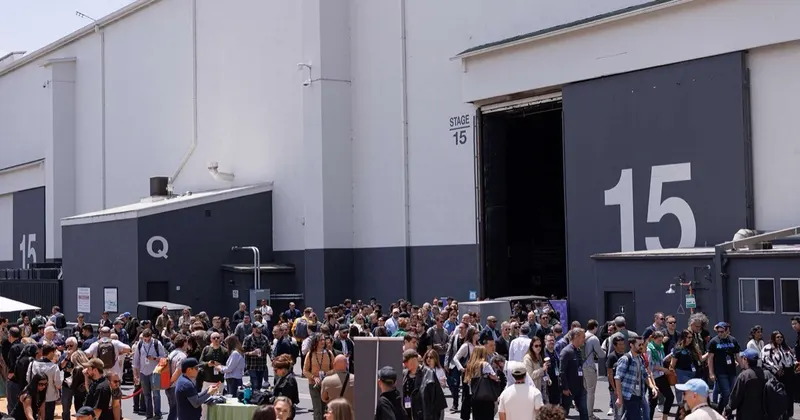
The New AI Question Is Control, Not Whether It Was Used
The weekend's filmmaking, advertising, and commercial AI news all pointed in the same direction: the useful argument is no longer whether AI touched the work. It is who controlled the tool, who signs off the craft, what gets disclosed, and whether the result actually holds up in public.
Read post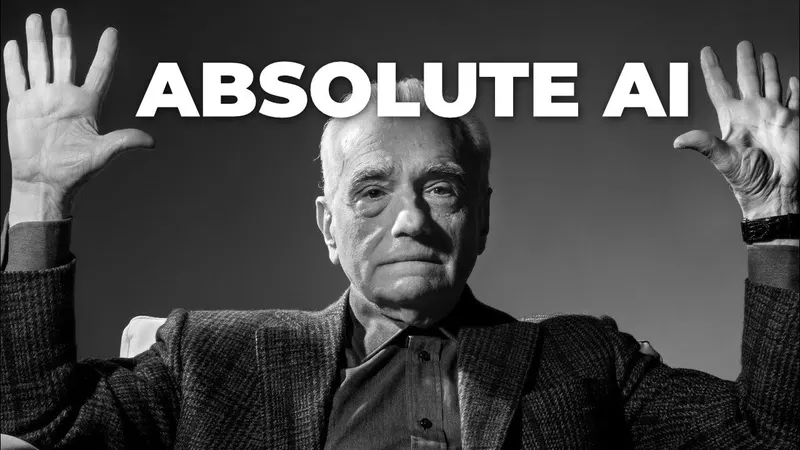
Scorsese, AI Storyboards, and the Difference Between a Tool and an Author
I keep coming back to the same uncomfortable line: Martin Scorsese using FLUX to visualise storyboards is a tool story, but the reaction to it is a labour story. When the people who define cinema normalise AI, the pressure is felt first by the people with the least control over the budget.
Read post
The Camera Is Not the Campaign
A personal note on moving from being hired as a cinematographer for one part of the job to building Vertical Haus, where the responsibility includes the offer, the spend, the edits, the landing page, the data, and all the unglamorous work that actually makes an online campaign succeed.
Read post
Amazon Just Made AI Animation Impossible to Ignore
Prime Video's first GenAI animation slate is not just a tech story. It is a rights story, a labour story, a taste story, and a very public trust test for everyone selling AI as creative infrastructure.
Read post
Gareth Edwards Is Right: AI Belongs in the Filmmaking Toolkit
The interesting AI film argument is not whether a model can make a shot. It is how directors, cinematographers, studios, cinemas, and online entertainment platforms use it to expand what can be imagined, tested, built, and experienced.
Read post
Cannes Became the AI Film Industry Stress Test
The 2026 Cannes conversation was not really about whether AI can make images. It was about authorship, rights, workflow, taste, and who gets to stay in the room.
Read post
Creativity After the Call Sheet Goes Quiet
A long note on being creative for a living, what happens when the paid work dries up, and why the healthiest creative outlet might be the one nobody commissioned.
Read post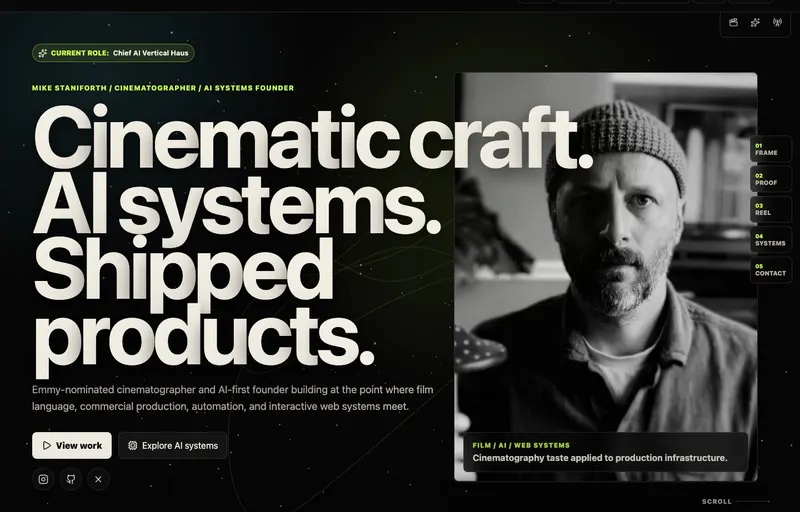
Building a Personal Site That Behaves Like the Work
A note on the new mikestaniforth.com: cinematic scroll, signal-distorted portraits, AI systems proof, light and dark modes, and the small details that make a portfolio feel authored.
Read post
The Eye-Catching Announcements at Google I/O 2026
I/O 2026 looked less like a product event and more like Google moving Gemini into every surface it owns, from Chrome to cars to glasses.
Read post
What I Built at Vertical Haus and Why This Site Exists
A launch note on moving from cinematography into AI-first production systems, the Vertical Haus stack, and the new personal website connecting both sides of the work.
Read post