The 2 August deadline is a production handoff problem
On 10 June, the European Commission published the final Code of Practice on Transparency of AI-Generated Content. The Commission concluded on 8 July that the code adequately covers the relevant Article 50 obligations; the AI Board adopted its assessment the following day. Initial signatories have until 27 July at 18:00 CEST to submit, and the relevant transparency obligations apply from 2 August 2026.
The code is voluntary. The underlying Article 50 obligations are not. Equally, this is not a rule that every Photoshop fill, generated storyboard, synthetic texture, or AI-assisted edit must carry the same visible badge. The deployer-facing disclosure duty concerns deepfakes and certain AI-generated or manipulated public-interest text. Final Article 50 guidelines were still forthcoming on 20 July; the Commission's May text remains draft guidance. Scope and exceptions matter, so teams should use the law and final code as operating references and get legal advice for their own markets and use cases.
The territorial question also belongs in the brief. The Act can cover providers and deployers outside the EU when the output produced by the system is used in the Union. A UK or US production team cannot assume its location settles the scope if the campaign, film, or interface will reach an EU use case.
For a brand, agency, studio, or production company, the failure point is unlikely to be an inability to draw a label. It is the handoff between the person who generated or edited the material, the producer who understands the context, the lawyer or client who approves the use, and the delivery team making dozens of derivatives. If the disclosure decision lives in one person's memory, it will not survive that chain.
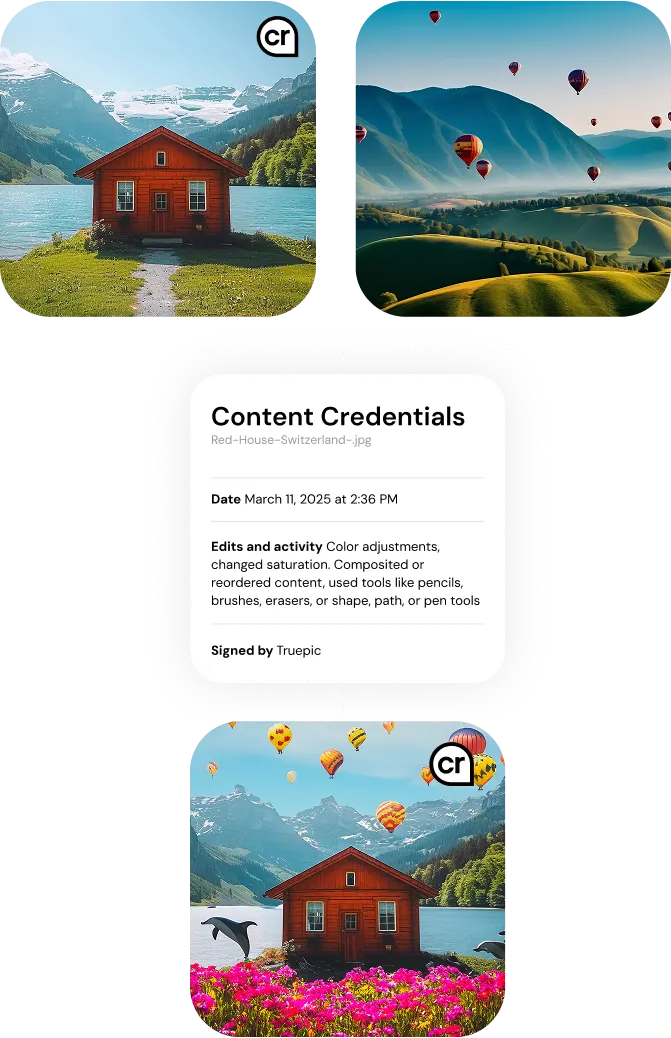
The official EU labels, including the Fully AI-Generated icon at the top of this article, are freely available. Their use is optional, and the Commission is explicit that an icon alone does not establish compliance. The useful signal is the workflow the label forces a team to build behind it.

Classify the asset, not merely the tool
Article 50 separates two roles that creative workflows often blur. A provider of a generative AI system is responsible for making generated or manipulated outputs machine-readable and detectable, as far as technically feasible. That provider-side duty does not apply when a system only performs an assistive function for standard editing or does not substantially alter the input data or its semantics. A deployer using a system professionally has a different question: whether the published content falls into a category that requires audience-facing disclosure.
For image, audio, and video, the relevant deployer category is a deepfake: generated or manipulated content resembling existing people, objects, places, entities, or events that would falsely appear to a person to be authentic or truthful. For text intended to inform the public on a matter of public interest, the law provides an exception when the publication has undergone human review or editorial control and a person or organisation accepts editorial responsibility. That text exception should not be casually transferred to synthetic likenesses or fabricated events in a film or campaign.
There is also a specific regime for evidently artistic, creative, satirical, fictional, and analogous work. Disclosure still matters, but it should be appropriate and should not hamper the display or enjoyment of the work. A fictional drama, a parody spot, an AI-restored archive sequence, a synthetic spokesperson, and a generated product visual can therefore demand different treatments even when they passed through the same model.
The practical control is an asset-level classification before client review. Record the market, intended channel, real person or event represented, whether the material would falsely appear to a person to be authentic or truthful, the proportion and purpose of the AI change, and the proposed disclosure treatment. Add three states — in scope, out of scope with rationale, and escalate — so uncertainty becomes visible instead of silently defaulting to publish.
Machine-readable provenance and visible disclosure do different jobs
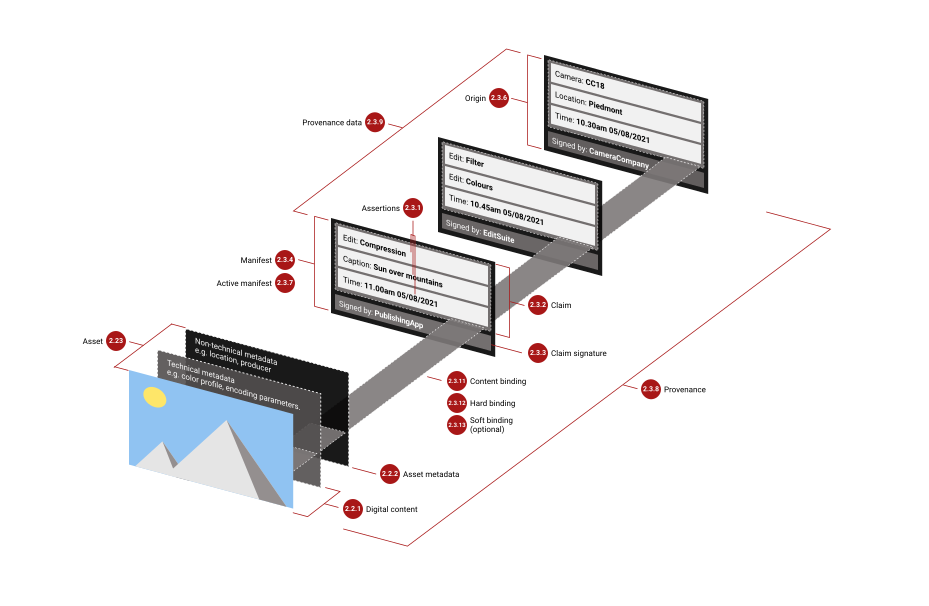
A Content Credential and an audience label are not substitutes. C2PA's standard gives an asset a cryptographically bound provenance record: who or what issued it, which assertions travel with it, and how its history can be checked. A visible label tells a person something material at the moment they encounter the content. One serves machines and investigators; the other serves the audience.
That distinction matters in a mixed production stack. A model may add a machine-readable signal. An editor may preserve or extend it. A social platform may transform the file. A campaign team may still need to place a clear disclosure in the frame, caption, player, or surrounding interface. Conversely, a visible 'AI generated' line says very little about which model, references, consent, edits, or approvals produced the final asset.
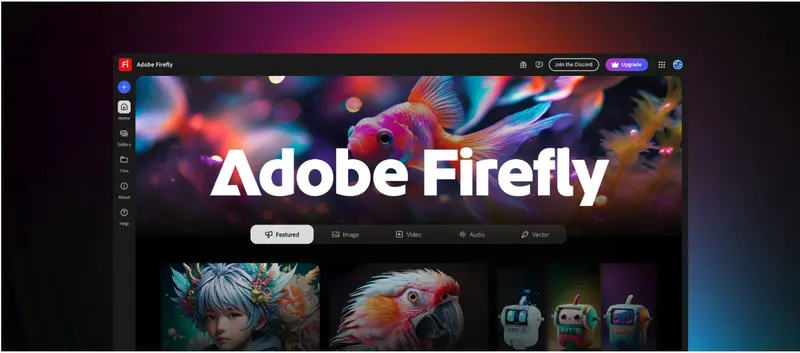
Adobe's current Content Credentials workflow shows the richer provenance layer: identity, creation information, and usage preferences can travel with supported media and be inspected later. It is useful evidence, not a verdict on truth, rights, taste, or regulatory scope. The production record still needs the model and version, generation date, operator, source references, likeness consent, rights notes, edit history, reviewer, final use, and the disclosure decision.
Make the review system produce the disclosure decision
Most review systems approve what an asset looks and sounds like. They are weaker at approving what the audience needs to be told. That is the operational gap Article 50 exposes.
Give every final AI-assisted asset a stable ID and make disclosure a required review field beside creative, brand, rights, claims, and technical QC. The reviewer should see the source tool, model or service, generation and edit dates, reference permissions, performer or likeness consent, target markets, channels, classification rationale, proposed wording, placement, accessibility treatment, and the owner accepting the decision. An approval without those inputs is only an aesthetic sign-off.
The label itself should be versioned like copy. 'AI generated', 'AI modified', 'synthetic voice', and a fuller second-layer explanation communicate different things. The Commission's user testing found that icon performance improved when it was accompanied by text. Plain language also travels better through client review, accessibility checks, localisation, and customer support than a symbol whose meaning the viewer has to guess.
This is where legal and production operations meet without becoming the same job. Counsel interprets scope. The producer turns that interpretation into fields, owners, gates, and evidence. Creative decides how the disclosure can be legible without flattening the work. Delivery proves the approved treatment reached the audience.

Test every derivative, not only the master
A disclosure can be correct in the master and absent in the campaign. The 16:9 film becomes a vertical cut, six-second bumper, silent autoplay unit, poster frame, thumbnail, audio spot, press still, broadcaster version, subtitled export, local-language version, and client download. Crops remove corners. Captions cover overlays. Safe areas change. Platforms transcode files and may not preserve embedded metadata.
Article 50 requires applicable disclosures to be clear and distinguishable no later than a person's first interaction with or exposure to the content. For code signatories, the Commission's code adds practical presentation commitments: the icon should be perceivable by first exposure, sit clear of intervening overlays, and remain visible when content is reshared or downloaded. It also calls for plain accompanying language, assistive-technology support where possible, and enough on-screen time for people to read the disclosure. Those measures are code commitments rather than the statutory wording itself, but they make a useful delivery test.
Build a derivative matrix before final export: asset ID, aspect ratio, duration, language, channel, paid or organic status, visual label, audio disclosure where relevant, metadata or Content Credential status, owner, and proof URL or file hash. Then test the actual uploaded result. A platform preview, ad manager, broadcaster transcode, or download link is the product the audience receives; the pristine file on the edit suite is only the source.
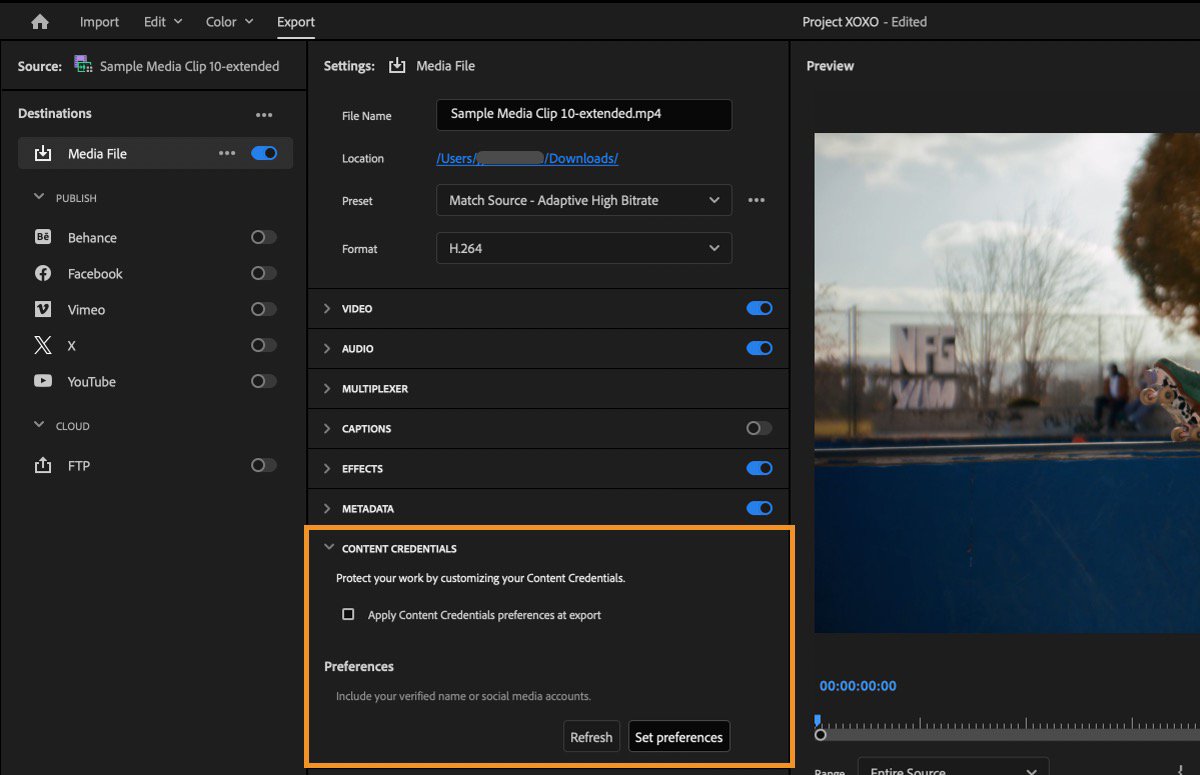
Adobe added Content Credentials controls to Premiere's export surface in April 2026, which is a useful sign that provenance is moving into normal post-production. But the export checkbox is still one layer. A production team needs a visible treatment where required, a verified final file, and a record connecting both back to the approved review decision.
What a buyer should ask to see
A buyer does not need a tour of every prompt. They need evidence that the vendor can classify, approve, and deliver the work consistently. Ask who decides whether an asset is in scope, which source and consent data they preserve, whether machine-readable provenance survives their edit and export path, who approves the audience-facing wording, and how they test crops, localisations, downloads, and platform uploads.
Then choose one delivered asset and run a 30-minute retrieval test. Can the team produce the brief, source references, model and version, consent or licence notes, review decision, labelled master, channel derivatives, and proof of the live treatment? If the answer depends on finding the operator who made the frame, the process is not yet a production system.
Procurement should also separate capability from responsibility. A model provider may describe its watermark, metadata, or detection layer. That does not answer the deployer's classification and disclosure duties. An agency may attach a visible label. That does not prove the references and likenesses were cleared. Ask each supplier which layer it owns, which layer it passes through, and which evidence arrives in the delivery pack.
A one-week implementation is enough to expose the gaps
Do not start with a company-wide policy rewrite. Start with one current production that contains generated or materially manipulated image, audio, or video. On day one, map provider, deployer, client, publisher, and platform responsibilities. On day two, classify every final-facing AI asset. On day three, add provenance, consent, review, and disclosure fields to the production tracker. On day four, generate and inspect every delivery derivative. On day five, run the buyer retrieval test and log what could not be proved.
That pilot will reveal the real work: missing source files, inconsistent asset IDs, unrecorded model versions, unclear editorial ownership, labels lost in crops, metadata stripped by handoffs, and approvals that never name the final market. Fix those system failures before debating the perfect badge.
The 2 August date makes this urgent, but the production value lasts beyond compliance. A team that can explain an asset, preserve its history, place an intelligible disclosure, and prove what reached the audience is also easier to buy from. That is the mature shift behind this week's signal: AI transparency is moving out of the policy deck and into the delivery schedule.
Build
Need a repeatable AI production workflow?
Mike designs the tools, review loops, and publishing systems that make it usable.
Launching a business of your own? Founder Launch OS connects the brand, offer, website and visual campaign in one guided Codex or Claude Code workspace.
Keep reading