Start with the production object
Small teams are often tempted to start with the model. Which tool looks best this week? Which prompt gives the most cinematic movement? Which launch video has the cleanest before and after?
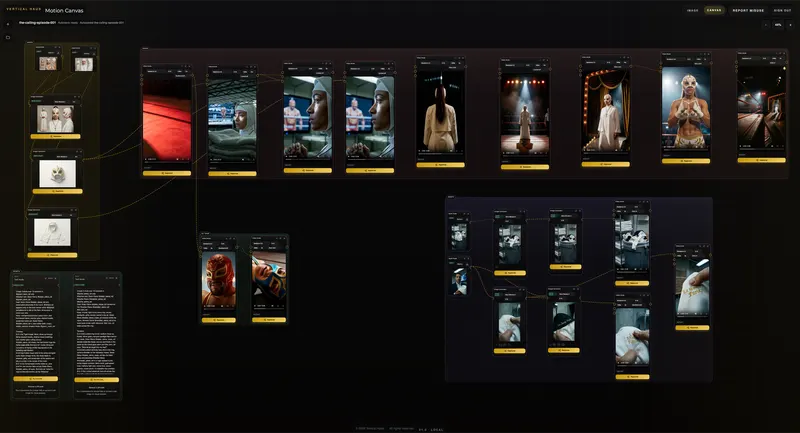
That is understandable, but it is the wrong first question. A team does not need a model. It needs a production object: the thing everyone can point at and say, this is the scene, this is the intent, these are the references, these are the rights notes, these are the versions, and this is the latest approved output.
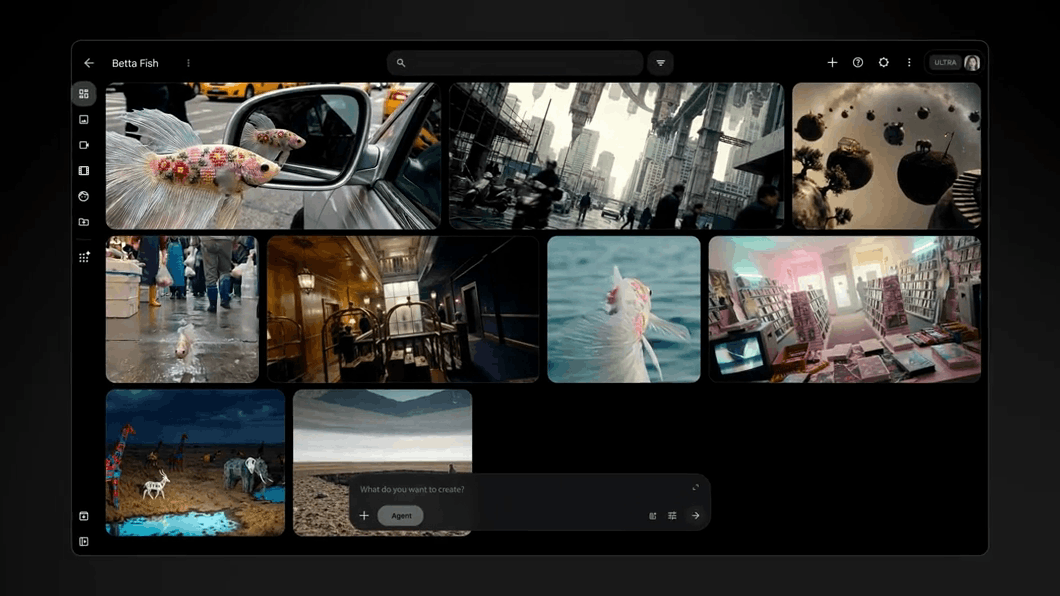
Once that object exists, Google Flow, Runway, Luma Ray, Adobe Firefly, and Sora-style workflows become engines inside a system rather than loose tabs in a browser.
That distinction matters because loose tabs create pretty fragments. Systems create repeatable work.
Layer one: intent and constraints
The first layer is not visual. It is editorial.
Write the scene purpose before writing the prompt. What changes for the character? What should the audience feel? What information must the shot carry? What cannot be shown? What rights, brand, safety, or disclosure constraints are already known?
AI video is very good at rewarding vague taste. It can make an image feel expensive before the team has answered what the image is for. A clear intent layer protects the work from that false confidence.
For a small team, this can be simple: one page per sequence, with the story job, visual rules, prompt history, reference images, approval status, and export links kept together.
Layer two: reference control
The reference layer is where the workflow starts behaving like production rather than prompting.
Characters need approved face, wardrobe, pose, and proportion references. Locations need geography, lighting rules, texture, and time-of-day references. Objects need scale, material, and use notes. A brand film needs logos, colours, typography, product rules, and prohibited routes.
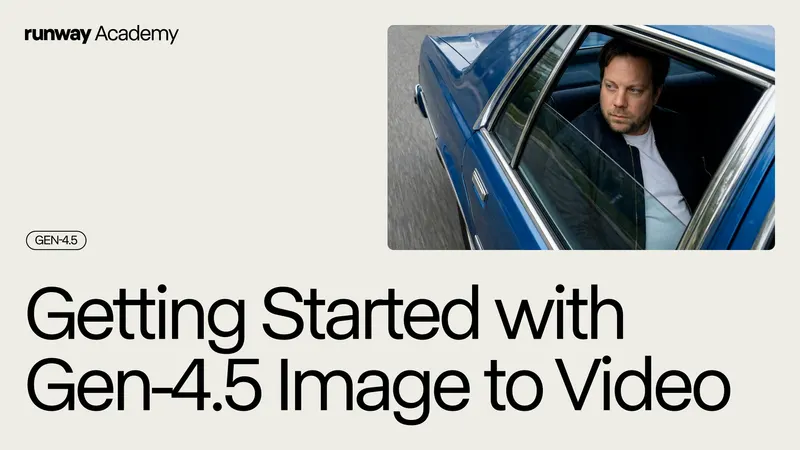
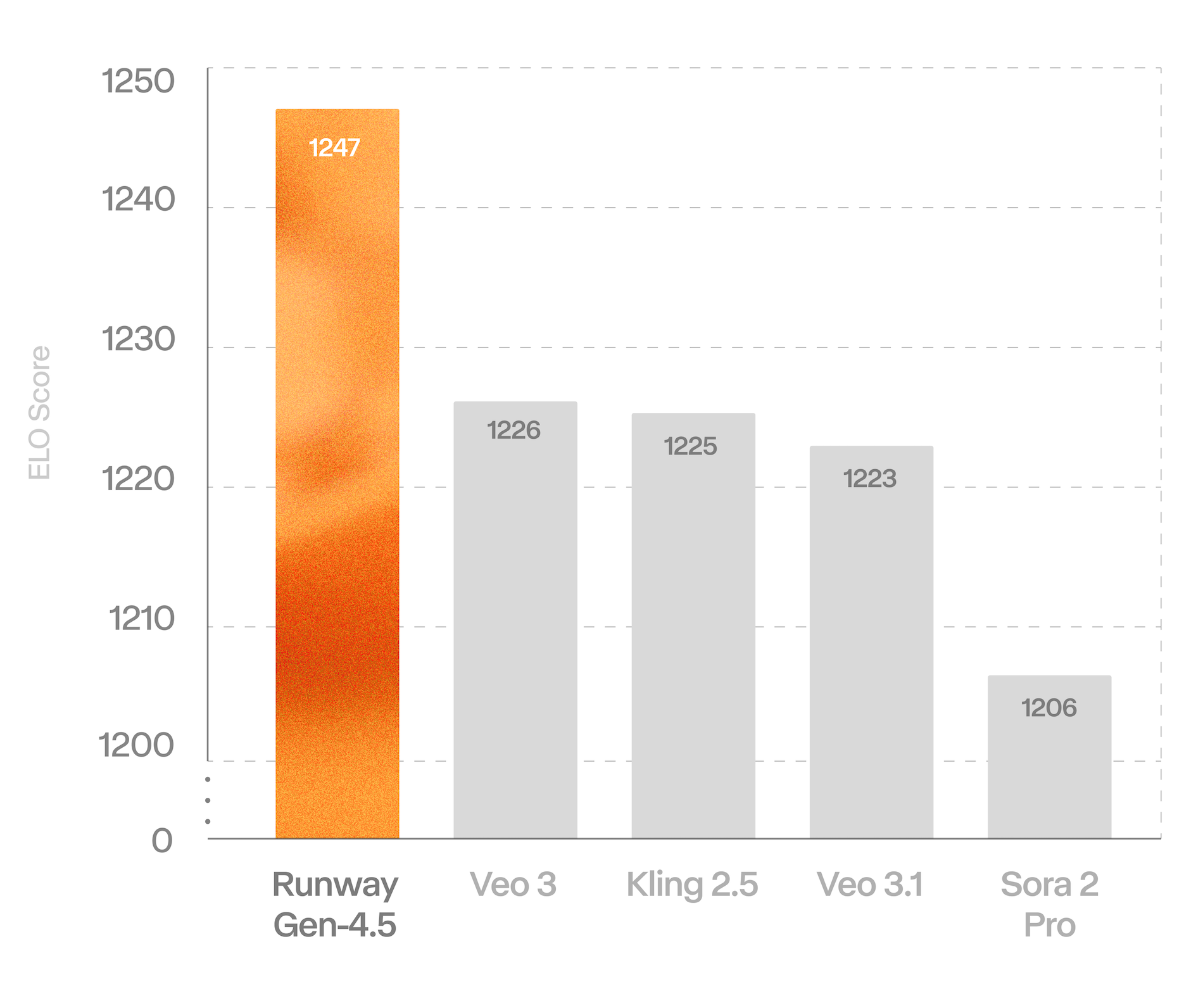
Runway Gen-4 is important because its public positioning names the real production problem: consistent characters, locations, objects, and worlds. That is exactly where teams should organise their systems.
The strongest AI production stack treats references as assets with status, not as scraps pasted into a prompt box.
Layer three: review and provenance
The review layer is where many AI workflows fall apart.
A director likes one version, a producer downloads another, a client comments on a compressed export, someone changes the prompt, and nobody can prove which reference image created the approved shot. That is not a creative problem. It is an operations problem.
Every generated asset should carry a basic provenance record: source references, model, prompt, date, editor, usage intention, rights notes, approval status, and final export path. This is boring until the day a client asks what can actually be used.
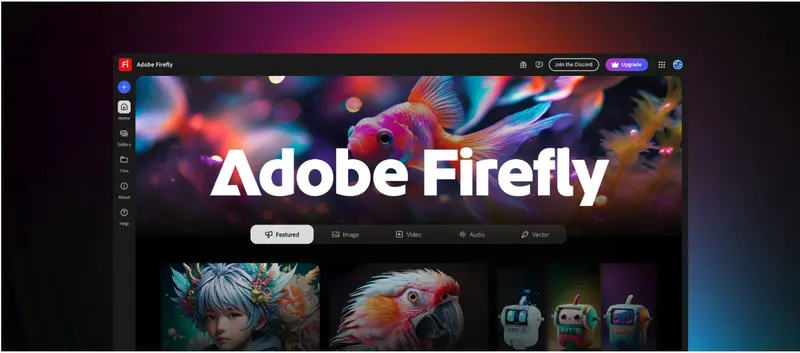
Adobe Firefly's commercial positioning is useful here because it reminds teams that professional AI output is judged by reviewability and rights confidence, not just style.
Layer four: distribution feedback
The final layer is where the stack becomes commercial.
A generated scene test might become a pitch clip, a blog asset, a social cutdown, a landing page hero, a deck insert, a temporary VFX plate, or a final campaign asset. Each use creates a different performance signal.
Small film teams should capture those signals. Which visual route made the client understand the idea fastest? Which cutdown held attention? Which still made the strongest thumbnail? Which blog post attracted search impressions? Which prompt family created unusable churn?
That is the loop: intent, reference, generation, review, provenance, distribution, and learning. The model is replaceable. The workflow memory is not.
Build
Turn the workflow into a working production system
Mike builds tools, review loops and handover assets that keep the brief, references, shot intent, rights evidence and approved outputs connected for film, television and commercial teams.
Launching a business of your own? Founder Launch OS connects the brand, offer, website and visual campaign in one guided Codex or Claude Code workspace.
Keep reading