Disclosure starts at the treatment
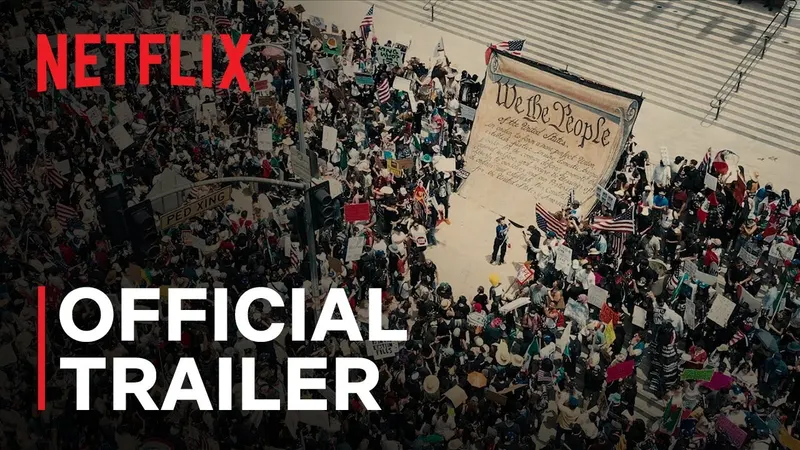
The weak version of AI documentary practice treats disclosure as a caption problem. A shot is generated or rebuilt, the edit works, and someone later asks whether it needs a label. That is too late. By then the reconstruction has already shaped tone, pacing and audience trust.
The stronger workflow starts in the treatment. Mark every proposed AI use by narrative function: archive repair, historical reconstruction, privacy protection, impossible camera position, speculative visualisation, translation, dubbing, crowd extension or illustrative texture. Each category carries a different trust claim.
A generated battle scene, a cleaned archive frame and an anonymised witness image should not share one generic note. The producer needs to know whether the image is evidence, interpretation, protection or design.
Keep a scene-level AI register
For each scene, record the asset ID, source material, rights status, model or service, prompt summary, human edit, review owner, intended disclosure and final export path. The register should sit beside the edit, not in a private prompt history.
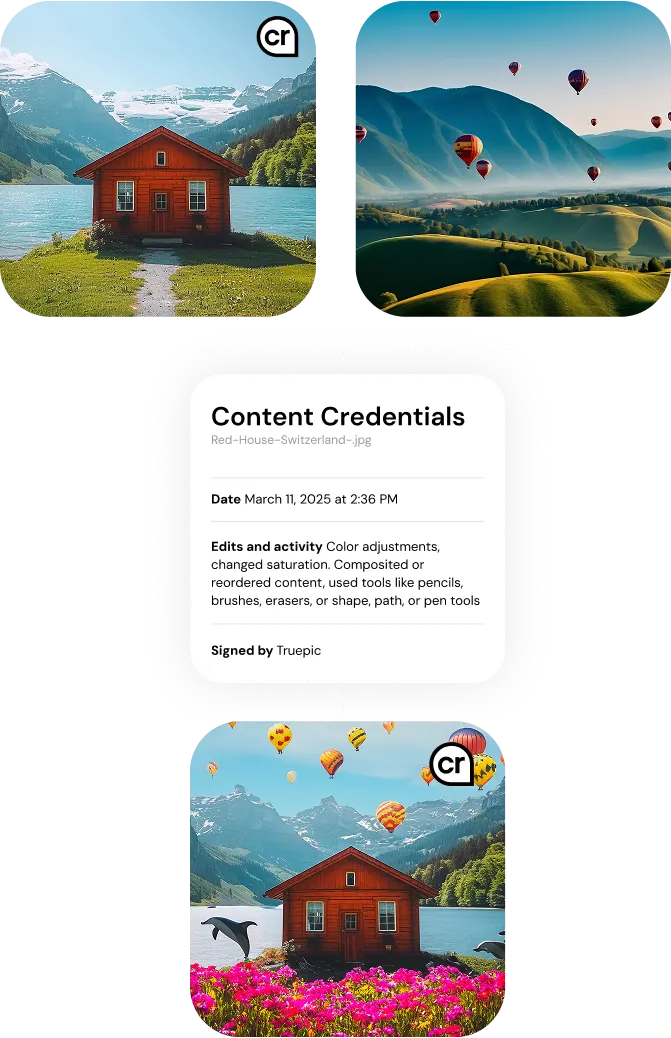
This is where C2PA and Content Credentials are useful but incomplete. Machine-readable provenance can travel with supported files, while human-readable notes explain context: what the scene means, what was changed and why the production believes that change is fair.
For a broadcaster, streamer or brand-funded documentary, that record is not admin. It is the evidence that a visual decision was controlled, reviewed and explainable.
Separate truth, taste and rights
Three approvals are often collapsed into one because the image looks convincing. Truth asks whether the scene misleads the audience. Taste asks whether the reconstruction fits the film. Rights ask whether the inputs, likenesses, locations, music, archive material and generated output can be used.
A scene can pass one test and fail another. Beautiful synthetic B-roll can be legally messy. A licensed archive frame can be edited so heavily that it becomes misleading. An AI-assisted anonymisation pass can be ethically right even if it reduces visual polish.
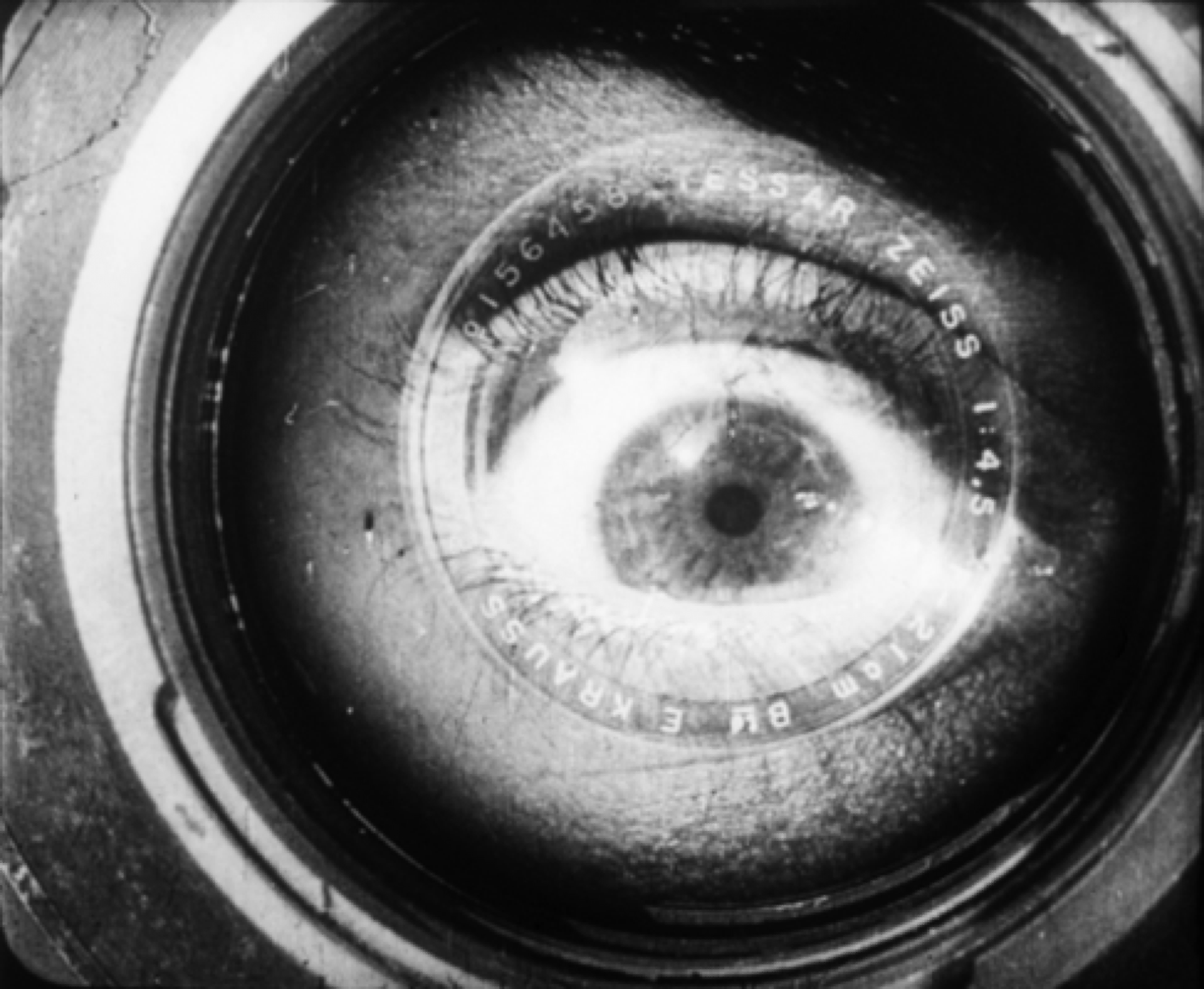
The production process should make those decisions visible. That is the real SEO and credibility angle for AI documentary work: not that the film used AI, but that the team can explain exactly how and why.
Audience language should be specific
A useful disclosure does not need to read like a policy document. It needs to match the audience risk. The language can distinguish between AI-assisted restoration, AI-generated illustrative imagery, digitally altered archive material, synthetic voice recreation and fully reconstructed scenes.
Place the short version where the audience encounters the work: programme notes, platform description, end card, press kit, client delivery note or classroom pack. Keep the longer record available for commissioners, legal review and future reuse.
The goal is not to apologise for every tool. It is to preserve trust in the film by making the status of important images legible.
Build
Need a repeatable AI production workflow?
Mike designs the tools, review loops, and publishing systems that make it usable.
Launching a business of your own? Founder Launch OS connects the brand, offer, website and visual campaign in one guided Codex or Claude Code workspace.
Keep reading