Creativity is not the same thing as employment
There is a version of being creative that exists before the job title. Before the camera department, before the agency roster, before the credits, before the awards submissions, there is just the instinct to make sense of things by making something. You notice light. You notice sound. You notice how a room changes when a record starts, or how a face changes when the key light is half a stop lower than expected. That instinct does not ask whether the invoice is approved before it starts working.
The difficulty is that a creative career teaches you to confuse that instinct with paid validation. When a shoot is booked, you are a cinematographer. When the calendar is full, the phone is warm, and your name is attached to a platform show, the identity feels reinforced. The industry gives you external proof that the private thing inside you has value.
But the private thing came first. The need to arrange, frame, listen, collect, write, test, and make did not begin with a call sheet. It will not end because a commissioner slows down, a strike freezes production, a streamer changes strategy, or your own life becomes less compatible with the old version of hustle.
The dream becomes a job, then the job becomes weather
Cinematography can be a beautiful way to live and a brutal way to measure yourself. At its best, it is taste under pressure: a director has a feeling, a scene has a problem, time is disappearing, and the job is to turn all of that into an image that still has intention. The work is practical, emotional, technical, social, and physical all at once.
The career path, though, is rarely as clean as the frame. Film and high-end TV work has always moved in waves, but the post-pandemic years made the waves harder to read. There was a boom, then a lull, then the 2023 WGA and SAG-AFTRA strikes, then the slower reality of commissioning caution, tighter budgets, and production pipelines that did not restart evenly for everyone.
The numbers back up what many crew felt in their bones. Bectu reported in September 2023 that three quarters of surveyed UK film and TV workers were not working, with 80 percent directly affected by the US industrial disputes. By February 2024, Bectu still found that more than two thirds of respondents were out of work. The BFI's 2024 statistics showed a rebound in total UK film and HETV spend, but also made clear how uneven the recovery was, with domestic HETV spend down while inward investment drove much of the increase.
That is the strange thing about this industry: the headline can say recovery while the individual freelancer is still sitting at home wondering whether they have been quietly left behind.
The mental health cost is not a footnote
When paid creative work disappears, the problem is not only money. Money is the immediate pressure, of course. Mortgages, rent, childcare, travel, kit, savings, tax, and the awful arithmetic of freelance survival all arrive at once. But beneath that sits another pressure: if the work has been your proof of identity, the absence of work starts asking questions you did not invite.
The Film and TV Charity's Looking Glass 2024 research is stark because it describes an industry where distress is not incidental. More than 4,300 film, TV, and cinema workers responded. The charity reported the lowest self-ratings of mental health in the five-year history of the research, with 64 percent considering leaving the industry because of mental health concerns, 63 percent saying film and TV work had a negative effect on their mental health, and 30 percent reporting thoughts of taking their own life in the previous 12 months.
Those figures should stop anyone from treating burnout as a rite of passage. They also explain why the quiet months can feel so disproportionate. A creative freelancer is not only waiting for the next job. They are waiting for permission to feel useful, chosen, current, connected, and still in the game.
There is a particular humiliation in having a lifelong dream become unstable in public. Everyone can still see the old version of you online. The profile remains. The credits remain. The trailers remain. The industry pages still say what you have done. Meanwhile, the private day might be school runs, unanswered emails, social comparison, ageing parents, family responsibilities, and a mind trying to make peace with a career that no longer behaves like the promise it once made.
You get older and the hustle changes shape
There is a version of ambition that belongs to your twenties and thirties. You can chase every lead, say yes to too much, tolerate bad sleep, accept strange money, move fast, and convince yourself that all sacrifice is compound interest. Sometimes that is true. Sometimes it is just damage with better branding.
As you get older, the cost becomes clearer. Family matters more. Health matters more. The idea of being permanently available starts to feel less like commitment and more like a design flaw. You still care about the work, but the old fever changes. You lose some hustle, but you also lose some need to be seen suffering in order to feel legitimate.
That shift can feel frightening because creative industries often reward visible hunger. They like the person who can always be there, always travel, always pitch, always network, always pretend that uncertainty is exciting rather than corrosive. When your focus moves toward home, children, balance, or simply not burning yourself out, it can feel as if you have betrayed the dream.
But maybe the dream also has to grow up. Maybe the dream was never only to be busy. Maybe it was to keep making things with taste, care, and authorship while becoming a whole person around the work.
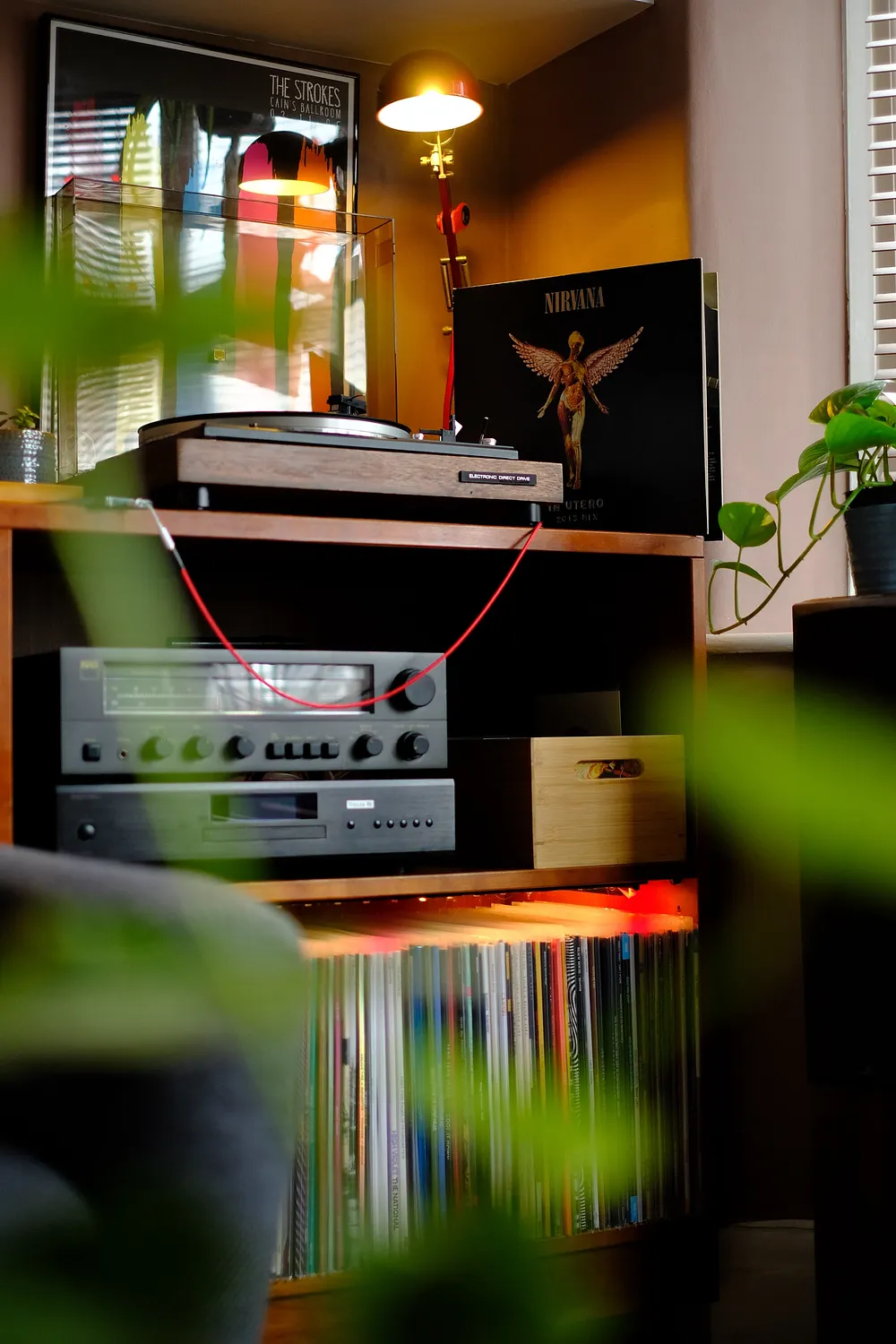
Vinylvana Studio was not a consolation prize
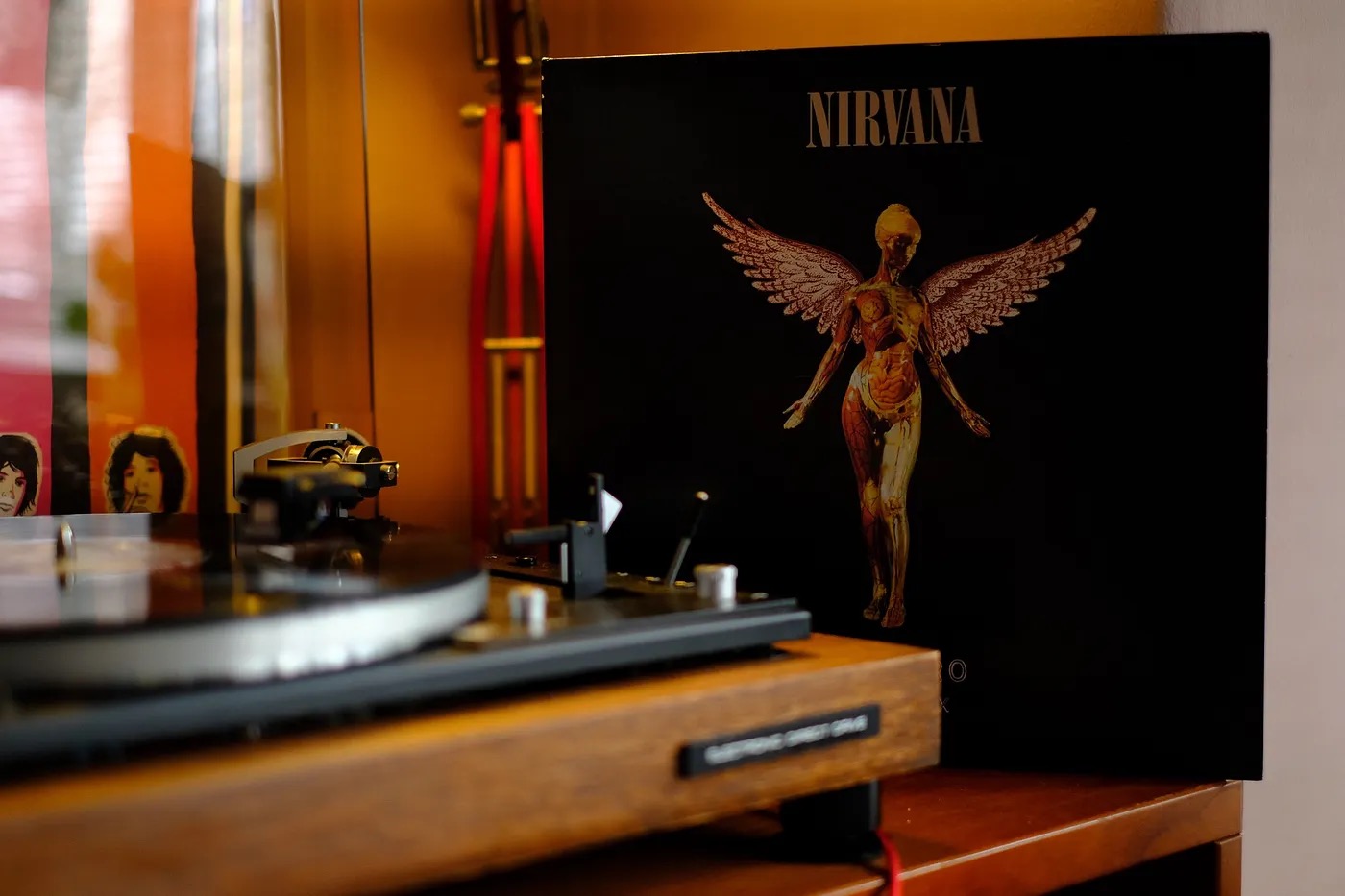
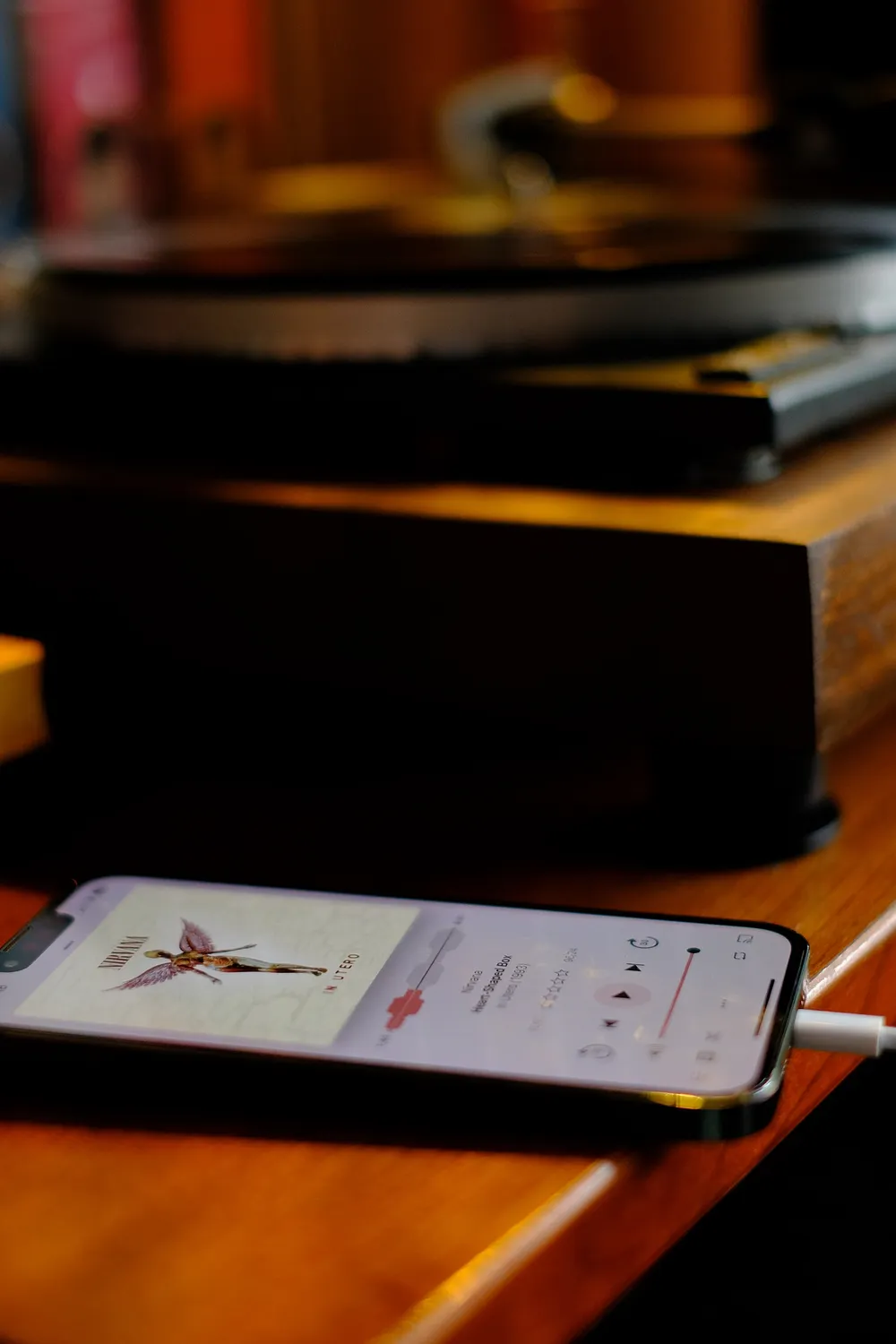
From mid-2024 into mid-2025, one of the most creative periods of my life did not come from paid cinematography at all. It came from a music collection, a camera, a turntable, a room, and the decision to treat a hobby as an art medium. That became Nirvana Studio, shared through Vinylvana Studio on TikTok and Instagram: records, sound, sleeve design, photography, writing, tiny rituals, and the pleasure of making something without a client note attached.
There is a freedom in unpaid creative work that can feel almost embarrassing when you have spent years professionalising your taste. Nobody is asking for revisions. Nobody is diluting the idea by committee. Nobody is measuring the output against a campaign objective. You can post a close-up of a record because the light is good. You can write about a mix because it moved you. You can build a small world around music because the world itself is the reward.
That does not mean unpaid work replaces a career. It does not pay the mortgage, and romanticising unpaid output can be dangerous when industries already expect too much free labour from creative people. But there is a difference between exploitation and private creative recovery. Vinylvana Studio mattered because it gave the instinct somewhere to go when the paid industry was not offering enough room.
It also reminded me that creativity does not have to arrive in the costume of ambition. Sometimes it arrives as play. Sometimes it arrives as a camera pointed at a record sleeve, a note about a bass tone, a messy desk, a good afternoon, and the feeling that nobody can take this part away.
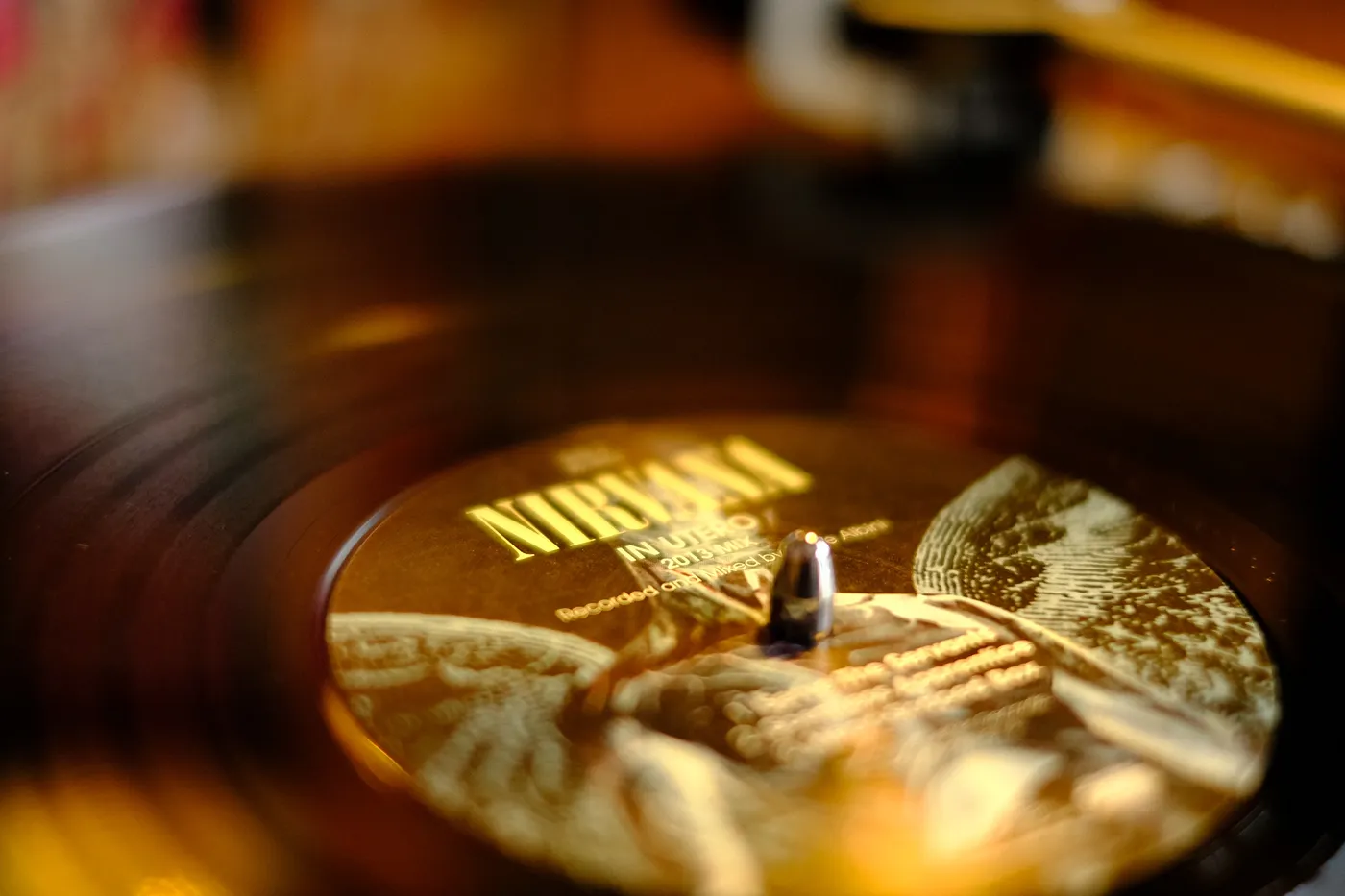
The In Utero article was really about authorship
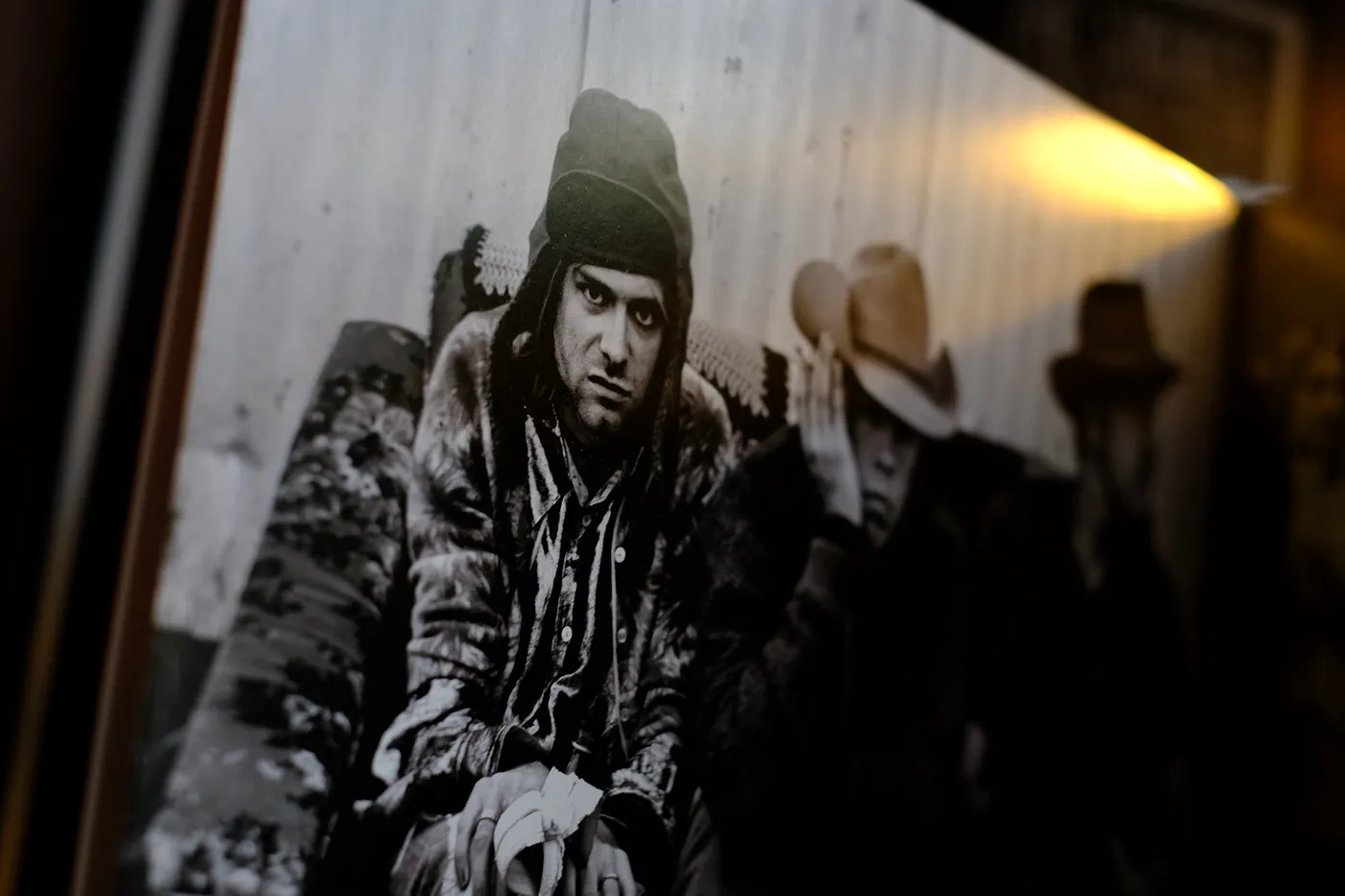
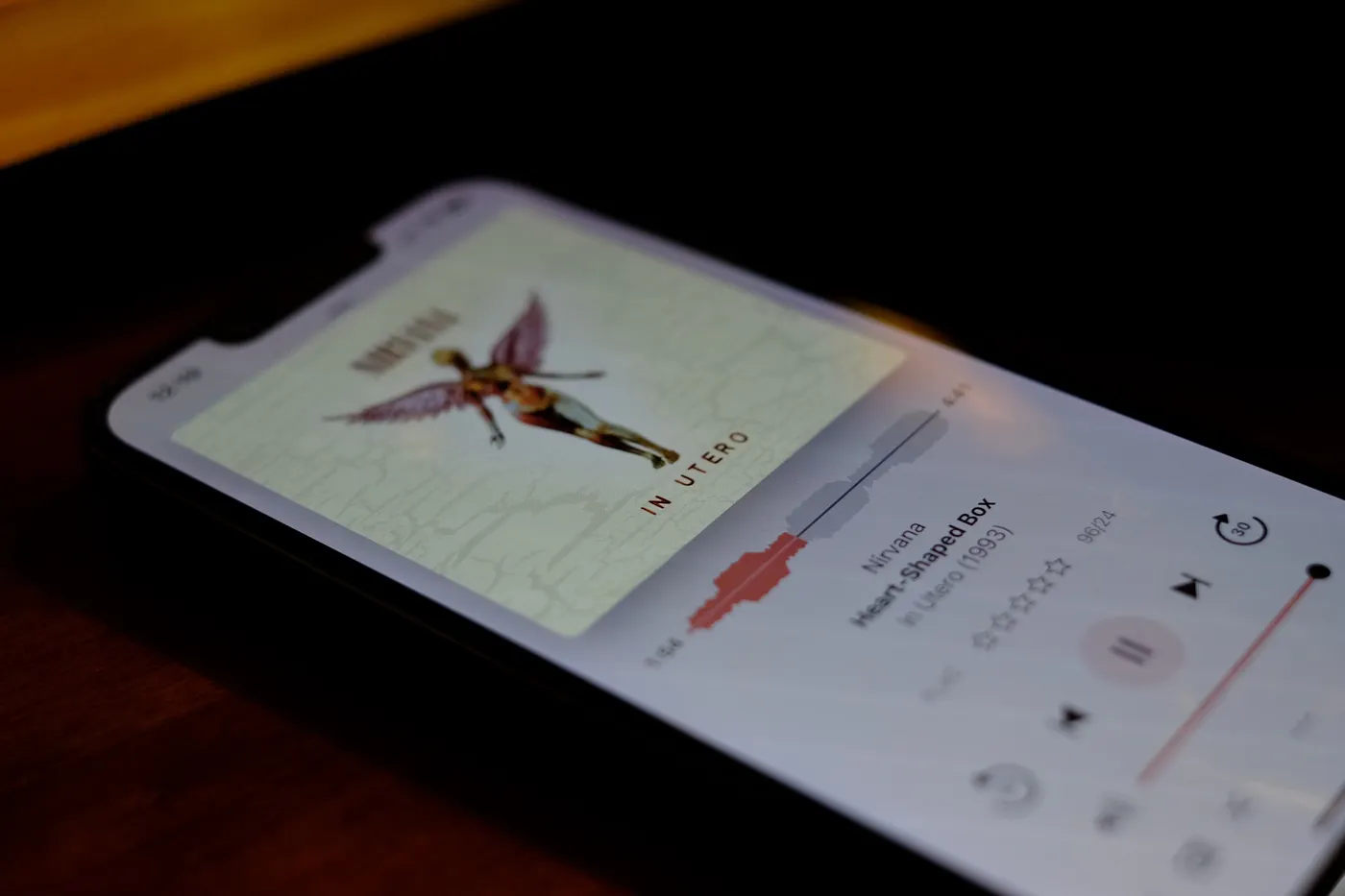
The Medium piece on Nirvana's In Utero and the cinematographer's parallel was not just an audiophile detour. It was a way of thinking about authorship. Steve Albini's production work on In Utero appealed to me because it treated roughness, tension, and imperfection as part of the truth rather than something to polish away for safety.
That crosses directly into cinematography. A director and cinematographer can build a look around darkness, restraint, texture, and discomfort, only to watch the project become brighter, flatter, and less specific later because too many external voices are nervous about the edge. A small technical change can become a large emotional change. The audience may not know exactly what moved, but they feel the loss of intent.
Writing about In Utero gave me a different language for something I had felt on set and in post for years. It was not nostalgia for a record. It was a defence of the fragile part of a creative idea before it gets processed into acceptability. The crossover between my work and hobby was obvious once I looked at it properly: both were about preserving feeling through technical choices.
That is why these outlets matter. A hobby can become a rehearsal space for the principles you still want to protect professionally. It can remind you what your taste sounds like when nobody is paying you to negotiate it down.
A career is still there, even when it is changing
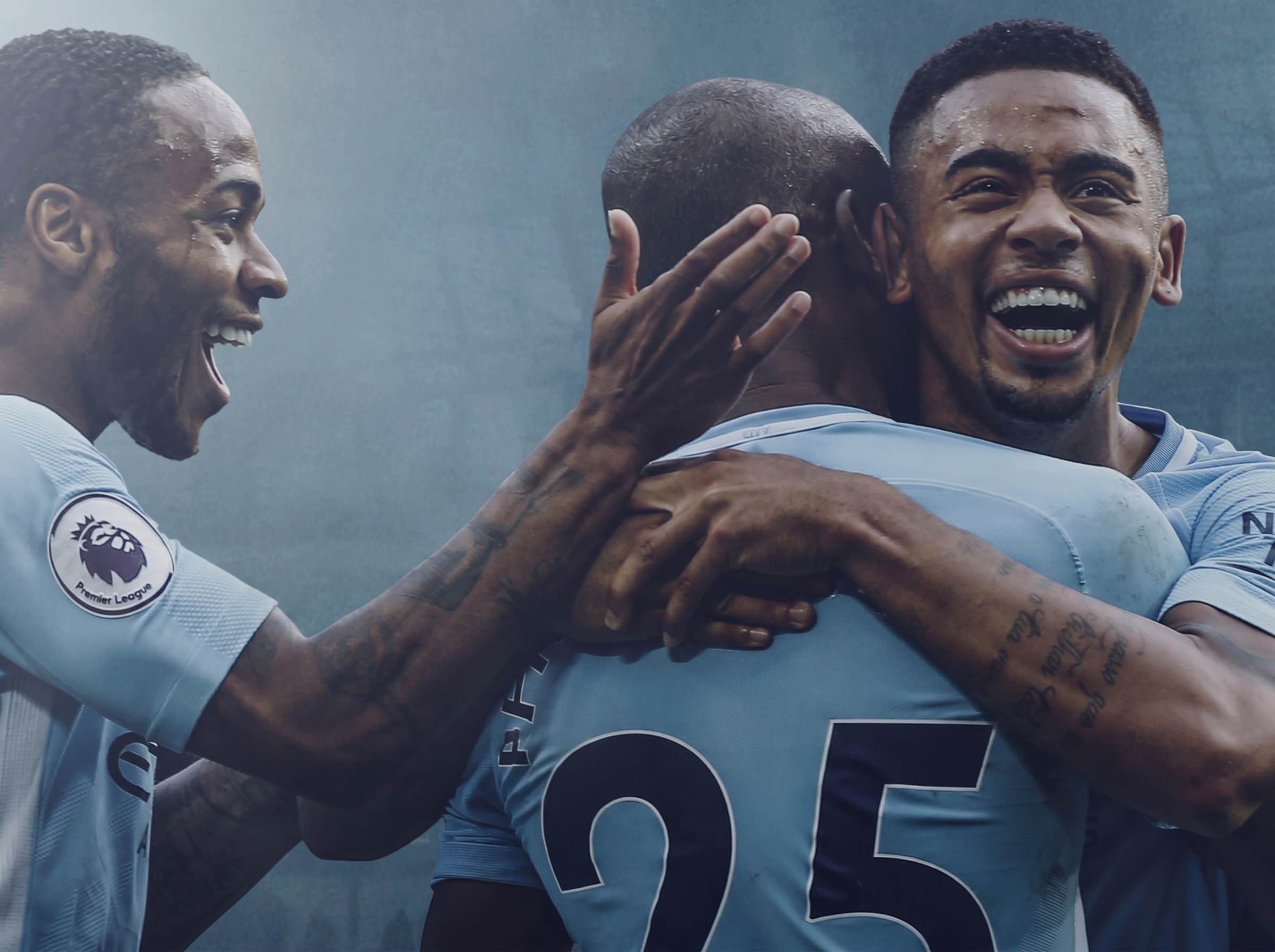
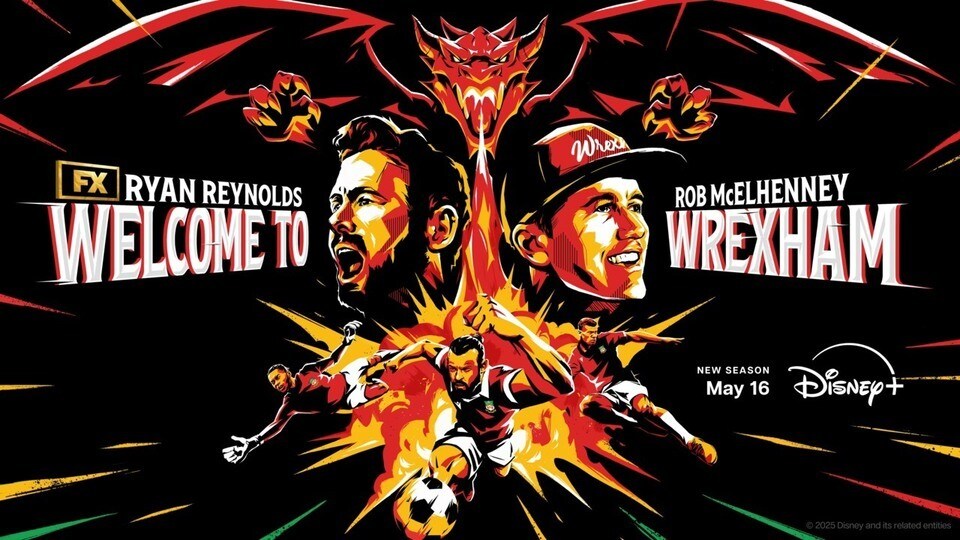
It is important not to rewrite the past just because the present feels unstable. The cinematography work is real. All or Nothing: Manchester City. Red Rose. The Full Monty. Sexy Beast. Welcome to Wrexham. American Manhunt: Osama Bin Laden. Feature work, shorts, commercials, documentary, high-end television, second unit, additional DOP work, and the strange privilege of being trusted inside moments that other people will watch years later.
My agent representation profile lists the arc: Red Rose and The Full Monty as additional Director of Photography, Sexy Beast second unit, All or Nothing: Manchester City for Amazon Prime, Welcome to Wrexham seasons 3 and 4, and an Emmy nomination for Outstanding Cinematography For A Reality Program in 2024. A profile like that is a record of serious work.
But a record of serious work does not protect you from the emotional impact of a slow year. In some ways it can make the slow year sharper. You know you can do the job. You have done the job. You have proof. So when the work quietens, the question becomes more existential: if ability is not enough, what exactly is this career asking from me now?
The answer I keep coming back to is that a career can change without being erased. The old work remains part of the foundation. It just may not be the only room in the house anymore.
Vertical Haus became a different kind of creative outlet
The final act of this shift was not abandoning creativity. It was finding a version of it with a better relationship to life. Vertical Haus became a place where the cinematography brain could be useful in a different way: AI systems, websites, social cards, deployment workflows, agentic studio loops, creative operations, and the practical business of turning taste into shipped infrastructure.
That work still asks for judgement. It asks what to keep, what to remove, what should be automated, what should remain human, what feels premium, what feels lazy, what will survive being used by a real team, and what will make a client or collaborator trust the process. Those are not alien questions to a cinematographer. They are the same questions wearing different clothes.
More importantly, it made space for being a family man at heart. That phrase matters because it is not a soft extra outside the work. It is the centre. A good work-life balance is not a lack of ambition. It is a design principle. If a creative life destroys the people and relationships that make you human, it has failed at a deeper level than taste.
The surprising thing is that balance can make the work sharper. When you stop trying to be permanently available, the work that remains has to justify its place. That is good pressure. It asks for clarity instead of panic.
For anyone in the quiet part
If you work in a creative industry and the last few years have made you feel smaller, less current, or less yourself, I do not think the answer is to pretend it is fine. The film and TV mental health data is too severe for that. The freelancer work drought has been too real. The combination of financial insecurity, social comparison, ageing, family pressure, and a competitive culture can do real damage.
But I also do not think the answer is to let the industry become the only judge of whether you are creative. You need somewhere the work can go when paid work is absent. That might be music, writing, photography, drawing, cooking, building tools, making films with no commercial ambition, archiving, teaching, gardening, restoring things, coding, collecting, or anything that lets the creative circuit close again.
The outlet does not have to become a brand. It does not have to become a side hustle. It does not have to be monetised before it is allowed to matter. It just has to be real enough that your inner life is not fully dependent on a production office saying yes.
Paid creative work is still work. It deserves money, respect, boundaries, and sustainable conditions. But being creative is bigger than being hired. That distinction might be one of the few things that can keep a person buoyant when the industry gets cold.
The dream did not die. It changed rooms
The most unusual feeling is watching a lifelong dream shift in front of you and reveal something you never expected to want. For years, the dream may have looked like more sets, bigger shows, better credits, more recognition, and a cleaner climb. Then life changes the frame. The career slows. The family grows. The hobbies become serious. The systems work becomes satisfying. The old ambition becomes one part of a larger creative life rather than the whole architecture.
That can feel like grief. It can also feel like relief. Both can be true. You can miss the old certainty and still know that the new shape is healthier. You can love cinematography and still refuse to let a volatile industry decide the entire state of your mind. You can be proud of the credits and still make room for records, writing, AI systems, family, and a quieter kind of creative confidence.
I still want to keep Vinylvana Studio going because it is not a distraction from the serious work. It is evidence that the serious work is still alive. It keeps the eye active, the ear active, the language active, and the joy active. That joy is not a luxury. In a competitive industry that can strip people down to availability, credits, and stamina, joy might be a survival tool.
So maybe the lesson is simple: protect the outlet before you need it. Make things nobody asked for. Document the hobby. Write the essay. Photograph the record. Build the system. Go home on time when you can. Be present with your family. Let the work change. Let yourself change with it.
Build
Need a repeatable AI production workflow?
Mike designs the tools, review loops, and publishing systems that make it usable.
Launching a business of your own? Founder Launch OS connects the brand, offer, website and visual campaign in one guided Codex or Claude Code workspace.
Keep reading
Related notes
 AI Filmmaking Industry / 9 min readAdrenaline Junkies Changes What an ‘Unproduceable’ Commercial Means
 AI Filmmaking Industry / 7 min readHailuo H3 Max and Infinite Slop: What Happens When Video Never Ends?
 AI Filmmaking Industry / 10 min readXero’s AI-Generated Performers: What Commercial Localisation Has to Control