The week in one decision
The four signals point in the same direction. Generative capability is becoming easier to access; commercial advantage is accumulating around the rules that decide what enters the system, what comes out, who can trust it and whether the claimed gain survives measurement.
For production teams, brands, agencies, studios and founders, the practical question is no longer simply which model improved. It is whether the surrounding workflow can preserve rights, distinguish promotion from evidence, produce an editable deliverable and connect the output to a real baseline.
Signal 1: AI discovery is creating a measurable exchange problem
On August 14, Digiday reported regional findings from TollBit's 2026 State of the Bots analysis. Across 3,906 publishers monitored for identified AI bots from 40 scraping vendors, the median European site received four times as many AI scrapes as the median North American site. European publishers received one human referral from AI apps for every 179 AI bot visits, while their median robots.txt restrictions were ignored nearly three times as often. TollBit also found the European scrape-to-referral ratio worsened from 150:1 in the first quarter to 227:1 in the second.
Why it matters: the old search exchange was imperfect but legible—crawling helped produce visits that could fund advertising, subscriptions, leads or sales. An answer engine can consume a page and satisfy the query without returning the person. The regional explanation is not settled. Digiday notes that Cloudflare and DataDome see different absolute patterns, and TollBit's European subset contains 456 publishers. The high-signal point is the need to measure the exchange at site level rather than assume bot visibility is equivalent to audience value.
What to do with it: separate verified search crawlers, answer-engine crawlers, user-directed agents and training bots in analytics and policy. Track requests, bandwidth, source pages, citations, human referrals, conversions and robots compliance by declared bot. Decide which material is open for discovery, which requires a licence and which should be blocked. Cloudflare's July 1 announcement is a useful deadline: from September 15, its new defaults for affected ad-supported pages will allow search while blocking training and agent use unless the owner changes the setting. Review the actual configuration before that date; do not outsource the commercial decision to a default.
Signal 2: Advertising to an agent has already met its trust boundary
On August 11, Perplexity confirmed that it had blocked markdown advertising on Time.com from influencing its index and agents. Time and ad-tech partner Mobian had begun placing FAQ-formatted, brand-approved messages inside machine-readable versions of pages, labelled as sponsored content, with Ally Bank and the Project Management Institute among the first buyers. Perplexity called the practice deceptive and warned that publishers using it could face a lower trust score. The technical blocking method and the wider industry's eventual standard remain undisclosed.
Why it matters: this is an early collision between generative-engine optimisation and advertising disclosure. A human can recognise an advert through layout, label, placement and context. An agent may retrieve one promotional claim, detach it from the label and present it as neutral evidence. The first commercial experiment therefore produced its first distribution veto in under two weeks. Machine-readable sponsorship is not simply another media format; it changes the evidence pool from which an answer is assembled.
What to do with it: do not create a hidden, more promotional version of a brand page for bots. Keep factual claims consistent across the human and machine-readable surfaces, identify sponsorship in the same retrievable block as the claim, link to primary evidence and give every material assertion an owner and review date. For an agent-facing pilot, predefine accuracy, citation, disclosure retention, negative-answer and trust metrics—not only impressions. If the platform cannot preserve the commercial context when it retrieves the statement, the format is not ready for a brand-safe launch.

Signal 3: AI music is becoming a revision surface, not a one-shot output
Google DeepMind published the Lyria 3.5 model card on July 29 and released the model through Google Flow Music. Google describes improvements over Lyria 2 in audio fidelity and prompt adherence, with more capable lyrics and vocals. The production surface adds exact-duration generation up to three minutes, BPM control, image-conditioned composition and exportable stems. Tracks receive an imperceptible SynthID watermark. The model card says evaluation combined human and automated tests across musical quality, vocals, fidelity and prompt adherence, but it does not publish enough result detail to compare a production's specific genre, language or clearance risk.
Why it matters: duration, tempo and stems move generated music closer to an editorial component. A team can brief a cue to the length of a cut, create space for dialogue and carry parts into a conventional mix rather than accept a fixed stereo novelty. That can shorten temp-score and versioning work for explainers, social films, pitches and performance creative. It does not make the cue exclusive, guarantee that lyrics fit a claim or replace the judgement of a composer, music supervisor or re-recording mixer.
What to do with it: test Lyria against three real cue types—a 15-second cutdown, a 30-second voiceover bed and a longer scene with a transition. Lock duration, BPM, structure, instrumentation, vocal position and prohibited references in the brief. Export stems, then review edit points, dialogue masking, lyric claims, pronunciation, similarity concerns, watermark persistence and the service terms that applied on the generation date. Keep the prompt, export, mix changes and final cue sheet together. Compare total time to approval against stock search or a commissioned route, including revision and clearance time rather than generation time alone.

Signal 4: Production-cost claims need a baseline as strong as the output
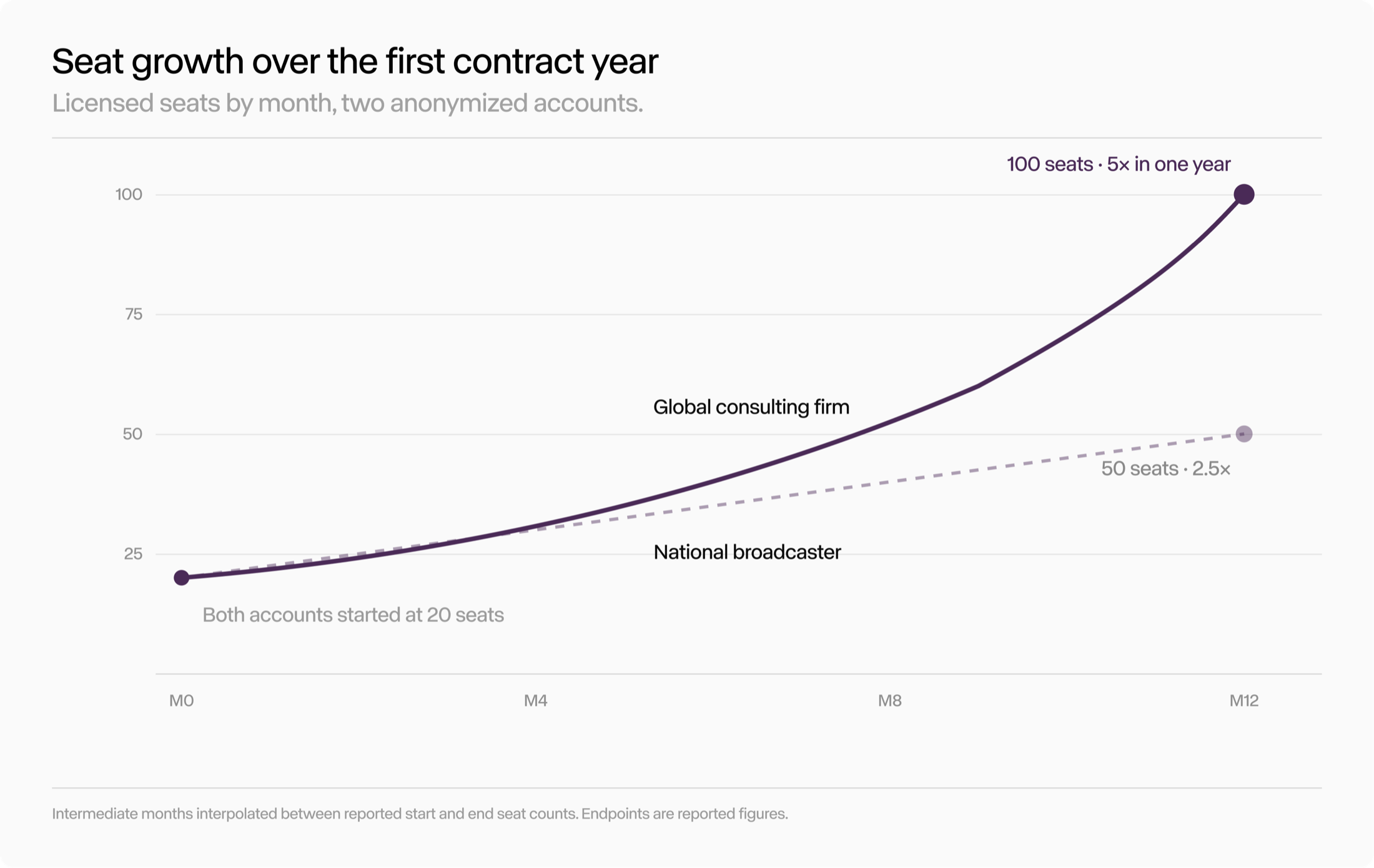
On July 20, Runway published a longitudinal report based on hundreds of enterprise customers across advertising, broadcasting, games, retail and film. It presents six like-for-like engagements with reported cost reductions of 90% to 99%, says one performance-marketing team increased weekly ad output from 13 to 75-100, and describes a five-person UK broadcaster team producing 800-1,000 adverts a year across more than 50 sub-labels. Runway says customers supplied the savings figures by comparing the work with the previous year's spend; the examples are anonymised and the report does not provide an independent audit or a common quality measure.
Why it matters: the reported scale is too large to dismiss, but the methodology is not strong enough to turn the headline percentages into a universal budget assumption. A $5 million broadcast campaign and a $3,500 generated campaign may both put 30 seconds on air while differing in talent, media, rights, locations, service, testing, longevity or brand effect. The more useful observation is that mature teams are building pipelines: legal review, APIs, asset systems, automation and high seat activation appear beside the model in the reported gains.
What to do with it: create the baseline before the pilot. Define the comparable deliverable, quality bar, territories, usage term, number of versions and approval path. Measure human hours, compute, rejected generations, external suppliers, rights and insurance review, finishing, captioning, localisation, storage, rework and media performance. Preserve the conventional estimate and the AI-assisted actual. A studio or agency should only claim a saving when both routes solve the same commercial job—and should publish the changed scope whenever they do not.
Build one weekly operating scorecard
These signals should not create four disconnected pilots. Put them on one operating scorecard. For discovery, track bot access, citations, referrals and conversion. For agent-facing content, track evidence, disclosure retention and trust. For generated media, track controllability, rights, revisions and finish. For economics, compare the complete approved deliverable with a defined baseline.
Assign one owner and one next action to each signal. This week that could mean auditing crawler policy before September 15, stopping any bot-only promotional copy, running a three-cue audio test and writing the baseline for the next AI-assisted campaign before production starts. The advantage is not being first to every model. It is turning a volatile signal into a decision the team can repeat, inspect and improve.
Build
Need a repeatable AI production workflow?
Mike designs the tools, review loops, and publishing systems that make it usable.
Launching a business of your own? Founder Launch OS connects the brand, offer, website and visual campaign in one guided Codex or Claude Code workspace.
Keep reading