The answer for production buyers
A production partner should not deliver one attractive master and leave the commercial system undefined. The useful handover connects the hero asset to platform-native versions, an agreed offer, a working landing page, measurement events and a review loop that says what happens when the first creative route underperforms.
That is the enduring lesson from the DerbyFest test below. Cinematography established the world; the higher-performing edit understood the buying moment. The production system has to protect both jobs: make the work feel authored, then make the route from attention to action measurable.
Cinematography teaches you to care about the frame
For years, the cleanest version of the job was also the most seductive: arrive as the cinematographer and make the image work. Read the director, understand the scene, protect the tone, choose the lens, shape the light, solve the location, move the crew, and get the day through the camera with taste still intact.
That is not a small responsibility. A good image carries trust. It changes how a brand, artist, show, venue, or person feels to an audience. It can make a cheap room feel intentional, a live event feel cinematic, or a fleeting moment feel like it belongs to a larger story. When cinematography is working, it gives the campaign its world.
But it is still one role. It can be an important role, sometimes a defining role, but it is not the whole campaign. The camera does not decide the media budget. It does not choose the audience pool. It does not build the landing page. It does not set the pixel event, write the CTA, make the subtitles readable inside a platform UI, check the link, interpret the report, or explain to a client why the asset they loved is not the asset that moved the number.
That distinction is obvious until you are the person responsible for the full package.
Vertical Haus moved the edge of the job
Founding Vertical Haus changed the frame of responsibility. The work was no longer only about whether the image was strong. It became about whether the whole route from attention to action was strong enough to survive contact with the feed.
That is a jarring shift if your career has trained you to judge work by craft. Craft still matters, but it stops being the final answer. A beautifully shot hero film might be correct for credibility and useless as the main click driver. A rougher cut might feel less prestigious and still be the one that does the commercial job. A 9:16 crop might feel less pure than the original composition and still be the format the campaign needs. The question changes from 'is this image good?' to 'what is this asset being asked to do, and what else has to be true for it to work?'
That shift can bruise the ego because cinematographers are used to fighting for the integrity of the image. Agencies, production companies, and founders have to fight for something wider: the integrity of the outcome. That means accepting responsibility for decisions that feel less romantic but matter just as much. Audience definition. Offer clarity. Paid social budget. Creative testing. Landing page speed. Tracking. Cutdowns. Captions. Approvals. Reporting. Timing. The way the idea survives being chopped into formats that fit real behaviour.
The campaign does not care which part of the work was most fun to make. It cares which part helped the audience understand, feel, click, book, buy, register, share, or remember.
DerbyFest made the lesson measurable
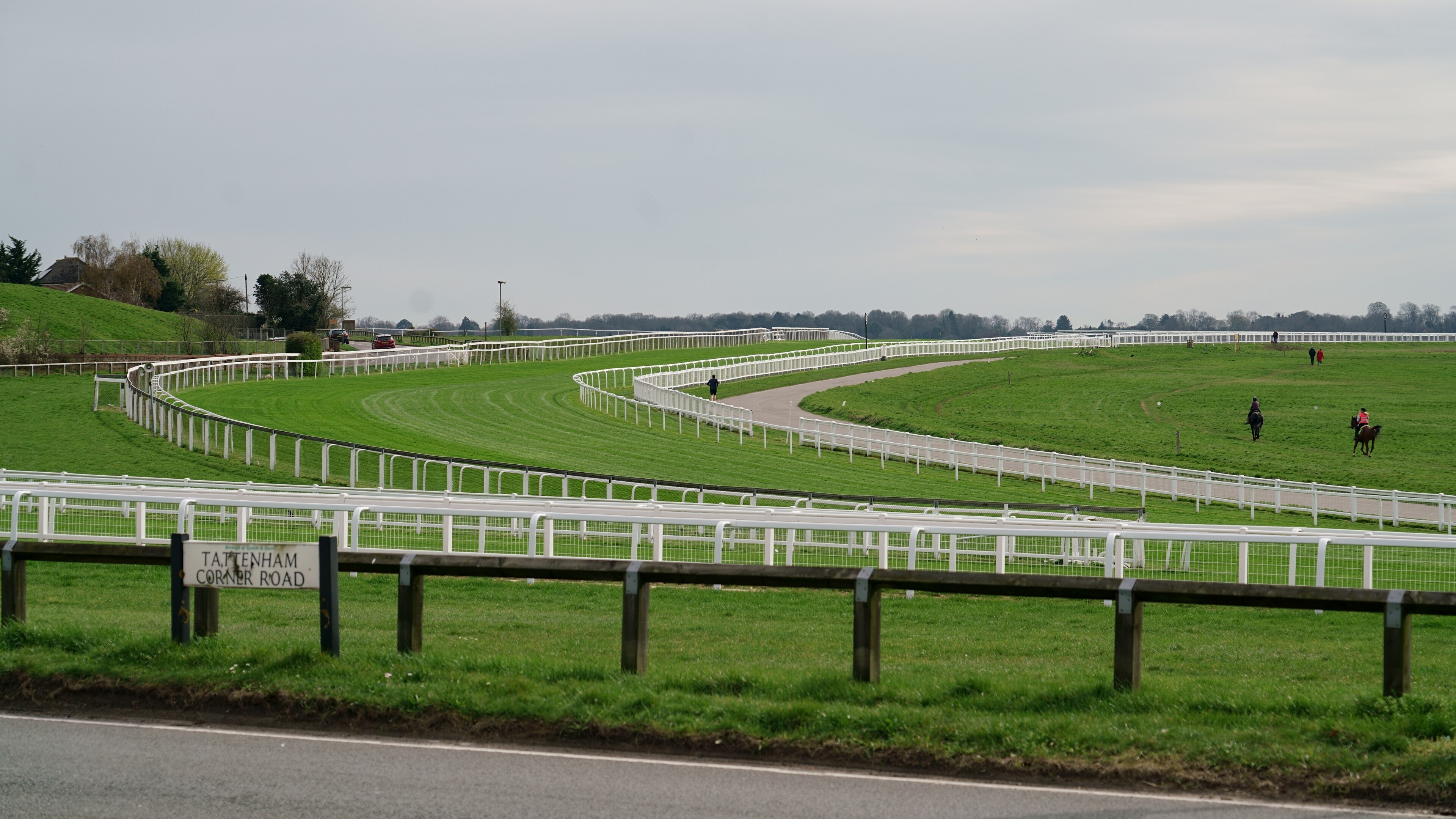
The internal DerbyFest experiment for Epsom Racecourse is useful because it puts numbers against the feeling. The campaign had a polished hero film, built to sell the atmosphere of the day. That film mattered. It gave the event a world, a sense of scale, and enough premium energy for the rest of the campaign to borrow from.
But the paid-social question was narrower: which format gets people to the ticket page fastest? Four variants were tested in the same ad set, over the same 24-hour window, with the same localised Epsom Downs targeting and a Pixie Lott fan audience. That mattered because the comparison was not pretending to be a perfect scientific paper, but it did isolate the most useful variable: the creative format.
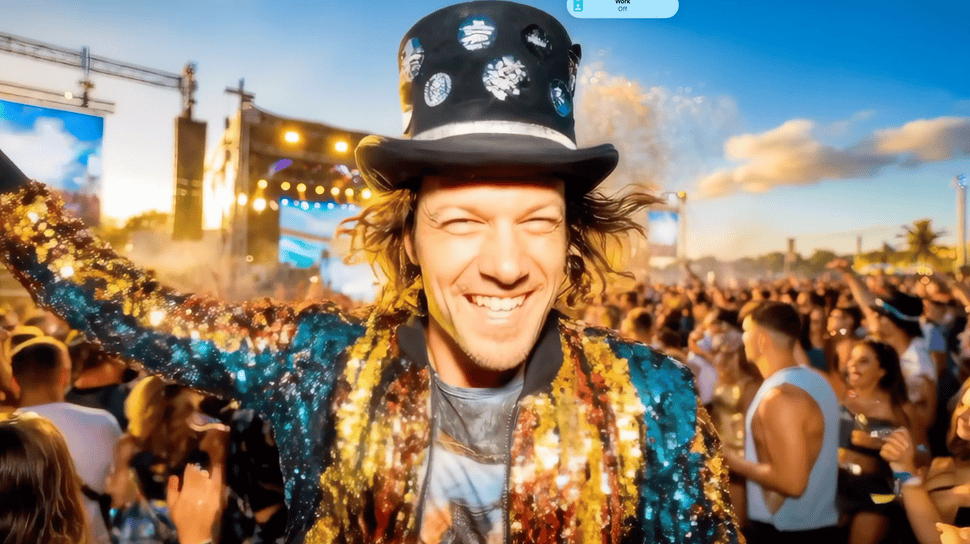
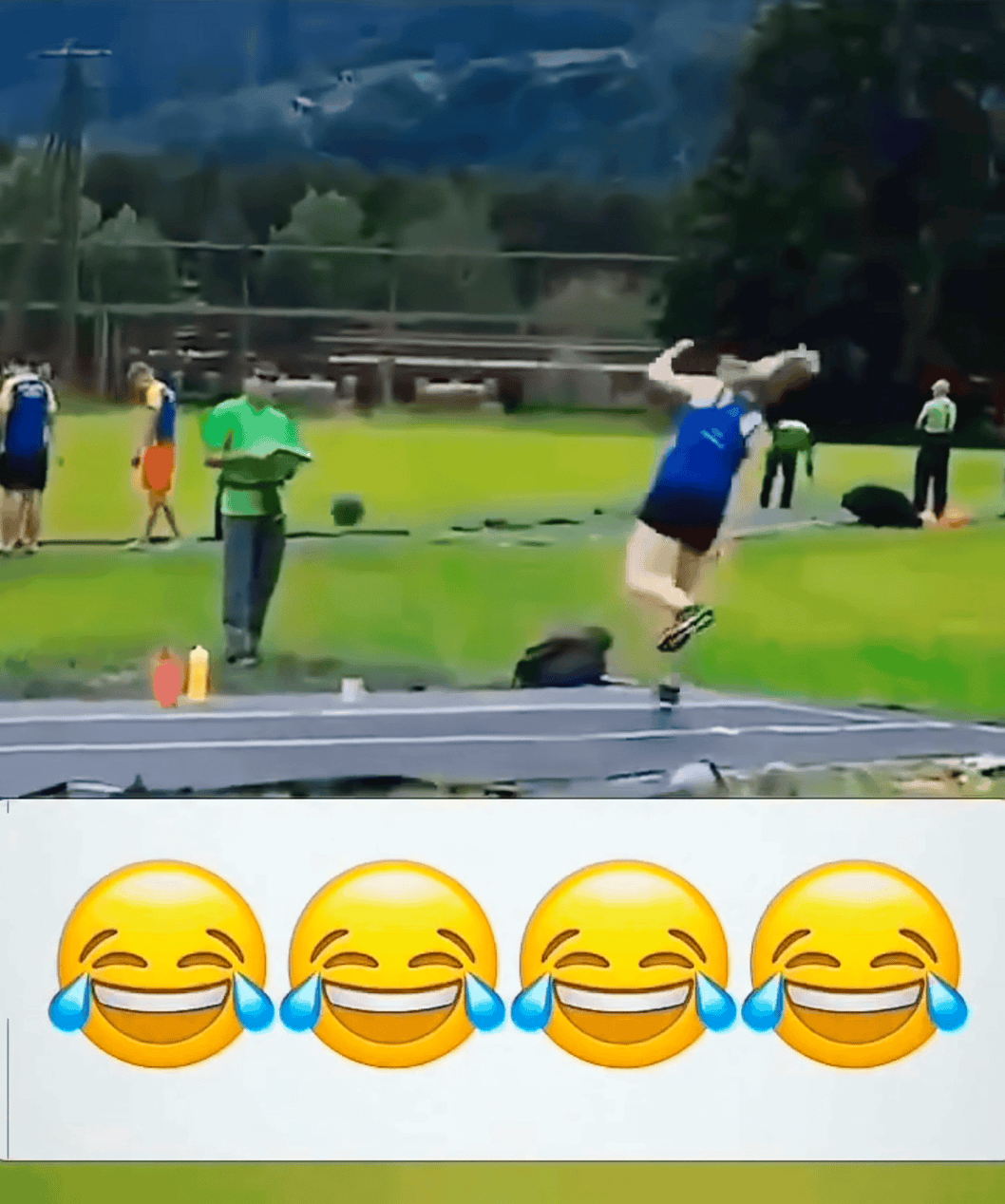
The 37-second hero film drove 227 website clicks from 9,842 impressions, a 2.31% click-through rate. The 15-second vertical cutdown drove 376 clicks from 8,867 impressions, lifting CTR to 4.24%. The artist-led CTA had recognition but dropped to 186 clicks and a 1.90% CTR. The winning viral remix opened with a deliberately lo-fi feed-native sports clip, snapped into the Pixie Lott event creative, and drove 1,000 clicks from 13,219 impressions, a 7.56% CTR.
The public experiment hides actual spend, but the relative result is still brutal in the best way: the viral remix generated 341% more website clicks than the hero film and an 80% lower average cost per click. The most cinematic asset was not the most efficient conversion asset. The winner was the edit that understood the buying moment.
The spend is not separate from the creative
People like to split creative and media into clean departments because it makes the workflow easier to describe. In practice, the split is dangerous. Spend is not just distribution. Spend is the pressure that reveals whether the creative is actually aligned with the platform, audience, and objective.
The latest AA/WARC figures reported by IAB UK showed UK ad spend reaching GBP10.6bn in Q1 2025, with social media up 14.7% year-on-year. That matters because paid social is not a side lane anymore. It is a major commercial environment with its own physics. Once real money is moving through it, every creative decision becomes partly a media decision.
On Meta, the auction is shaped by more than bid. Meta's public help material describes a total value score influenced by advertiser bid, estimated action rate, and ad quality. That means a stronger creative does not only look better. It can help the system believe more people are likely to take the desired action. Better creative can change the economics of delivery.
That is why the agency or production company cannot simply hand over a hero film and treat performance as someone else's problem. The hook, first frame, edit length, format, copy, CTA, post-click experience, and audience match all feed the commercial machine. If the campaign is underperforming, the answer is rarely 'spend more' in isolation. It might be spend smarter, test sharper, cut faster, clean the landing page, fix the signal, change the objective, or stop asking a prestige asset to behave like a direct response asset.

Cutdowns are not leftovers
One of the biggest mindset shifts is learning that cutdowns are not the scraps from the hero film. They are separate pieces of campaign architecture. A 15-second vertical edit is not a shorter version of a 37-second film. It is a different argument with a different job.
Google's ABCD guidance for YouTube is useful here because it treats the execution details as central to effectiveness: attention, branding, connection, and direction. Their article is blunt about the number of decisions involved in an ad, from where to cut to how clearly the next action is stated. It also cites research showing the ABCDs delivered average lifts in short-term sales likelihood and long-term brand contribution.
TikTok's Creative Codes say something similar in platform-native language: think TikTok-first, use trends, shoot 9:16, leave room for the interface, follow a hook-body-close structure, use stimulation, and build with sound. That is not a rejection of craft. It is craft under different constraints.
The unsatisfying part for a cinematographer is that a cutdown may violate the elegance of the original image. It might crop aggressively, add text, start halfway through an action, use a hard caption, change the rhythm, or sacrifice a beautiful opening because the feed does not owe the campaign patience. That can feel like vandalism if you only judge the asset as a film. It can feel like responsibility if you judge it as a campaign component.
The unsung roles are the campaign
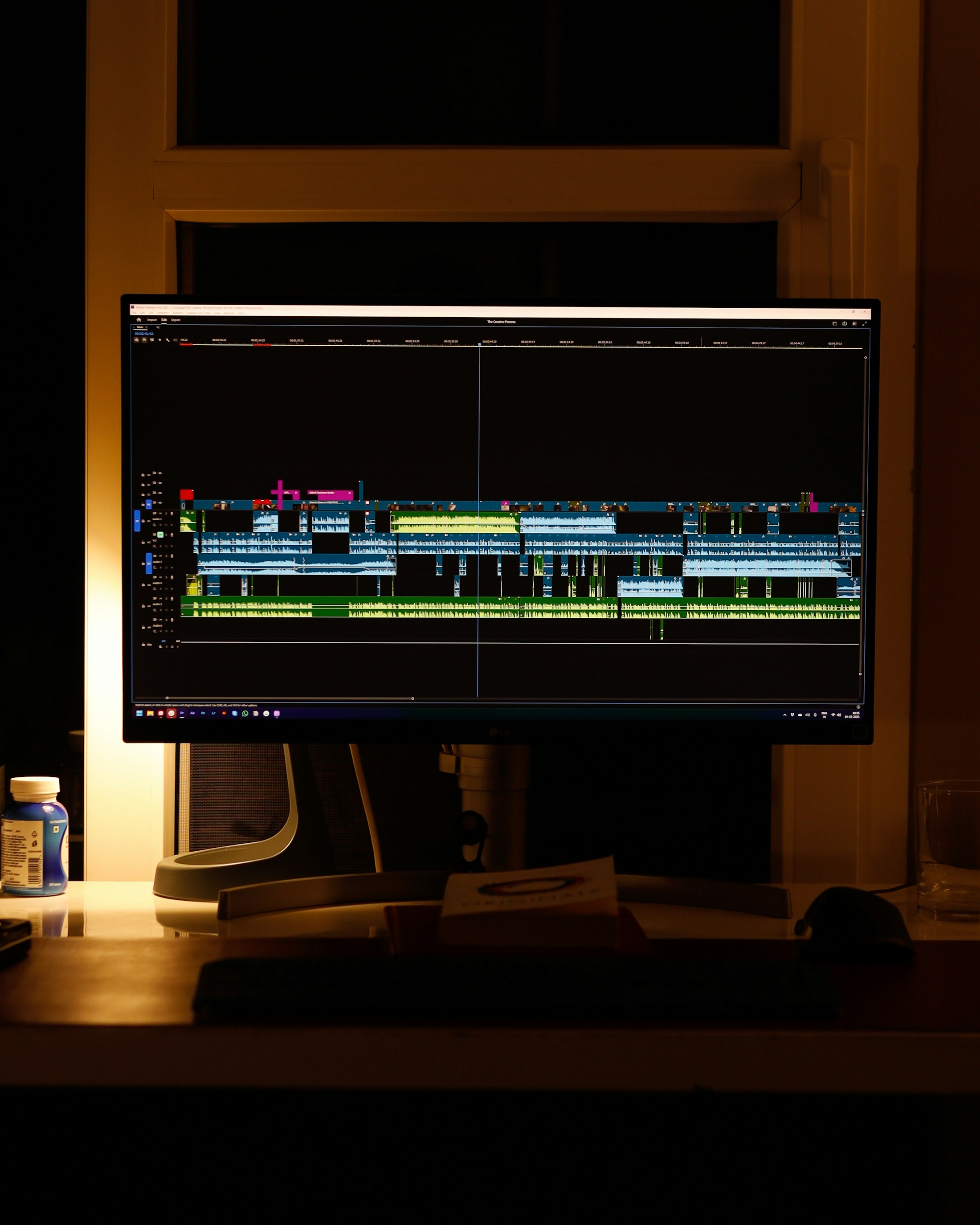
The more campaign responsibility you take on, the more respect you develop for the roles that never get talked about with the same glamour as the shoot. The media buyer who knows when an ad set is learning and when it is simply wrong. The editor making six clean versions before lunch. The copywriter who removes three words and doubles the clarity. The designer who keeps text out of the platform UI. The strategist who notices that the audience does not care about the part the client loves.
Then there are the people who protect the route after the click. The developer who makes the page load quickly. The CRM person who makes sure leads go somewhere useful. The analytics person who checks that conversions are firing properly. The account lead who keeps approvals from killing timing. The producer who knows that a campaign needs versioning budget, not just shoot budget. The paid social specialist who understands that a cheap click from the wrong audience is still expensive.
These roles are easy to minimise when you come from the shoot because the shoot feels like the visible centre of gravity. It has lights, crew, cameras, pressure, talent, call sheets, transport, kit, locations, and all the familiar theatre of production. But online campaigns often succeed in the quieter chain after the wrap: export naming, captions, thumbnails, safe zones, UTM links, landing page QA, tracking checks, budget pacing, reporting, retargeting, and the discipline to kill what is not working.
That work is not admin in the dismissive sense. It is the machinery of accountability. Without it, the beautiful asset becomes a file looking for a reason to exist.
The jarring part is losing the comfort of one lane
There is comfort in being hired for one clearly defined part of the job. You can care deeply about it, defend it, and then hand over the next stage. If the campaign does not land, there are limits to what you can honestly own. Maybe the edit changed. Maybe the media plan was weak. Maybe the client picked the wrong CTA. Maybe the page was slow. Maybe nobody put enough spend behind it. Maybe the target audience was never properly defined.
When you are responsible for the full package, those excuses become tasks. If the edit changed, why was the edit not better protected or planned? If the media plan was weak, why was media not part of the creative conversation earlier? If the CTA was wrong, why did nobody challenge it? If the landing page was slow, why was campaign success allowed to depend on it? If spend was too low to learn anything, why was the client not told what level of test would be meaningful?
That is the jump that can feel violent. You move from craft accountability to system accountability. The question is no longer whether your department did good work. The question is whether the campaign made enough correct decisions across the entire journey.
It is humbling because it reveals how small the glamorous part can be. It is also liberating because it gives the craft a more honest job. The image is not diminished by becoming part of a system. It becomes more useful when it is made with the system in mind.
Agencies and production companies have to own the commercial chain
The old production-company offer was often built around making the thing: film, stills, animation, social content, launch video, brand film. The new pressure is that making the thing is not enough. If the thing is meant to perform online, someone has to own the chain around it.
That means asking harder questions before the shoot. What is the commercial objective? What action does the audience need to take? Is the landing page ready? What event are we optimising for? What are the media budgets and learning windows? How many variants will we test? Which platform behaviours are we designing for? What proof, urgency, or offer has to appear in the first few seconds? What happens if the polished route loses to the stranger route?
It also means pricing and scheduling honestly. Versioning is not a free afterthought. Paid-social cutdowns need edit time, copy time, design time, export time, QA time, reporting time, and sometimes reshoot time. A campaign that only budgets for the hero asset is quietly deciding to underfund the parts most likely to affect performance.
The best agencies and production companies will stop treating distribution as a downstream problem and start treating it as a creative input. The media plan should shape the shot list. The landing page should shape the message hierarchy. The reporting plan should shape the variant plan. The cutdown list should shape what coverage is captured on the day. Otherwise everyone is pretending the campaign starts when the camera rolls, when in reality it starts when the commercial problem is defined.
Cinematography still matters, but it has to know its job
None of this means cinematography matters less. It means cinematography has to be clearer about what it is doing inside the campaign. Sometimes its job is trust. Sometimes atmosphere. Sometimes proof. Sometimes appetite. Sometimes premium positioning. Sometimes a bank of strong visual material for later edits. Sometimes it is simply the thing that gives every messy performance asset a more credible world to return to.
In the DerbyFest experiment, the polished hero film still mattered even though it did not win the click test. It gave the campaign its visual centre. It created the world from which the cutdowns borrowed legitimacy. The mistake would be to conclude that polish was useless. The better conclusion is that polish alone is not the same as performance.
That is the more mature creative position: make the beautiful thing, then do not ask it to do every job. Let the hero build the world. Let the cutdown sharpen the message. Let the remix interrupt the feed. Let the landing page close the loop. Let the media spend find the audience. Let the report tell you what actually happened. Then have the humility to adapt.
For me, that is the real Vertical Haus lesson. Cinematography taught me to respect the frame. Campaign ownership taught me to respect everything outside it.
Build
Own the route from idea to campaign
Founder Launch OS connects the work around the asset—positioning, offer, brand, landing page and visual campaign—so a founder can build the route to action, not only the thing people see first.
Keep reading