The old question is too blunt now
The weekend's AI news did not feel like one story. It felt like several industries arriving at the same awkward checkpoint.
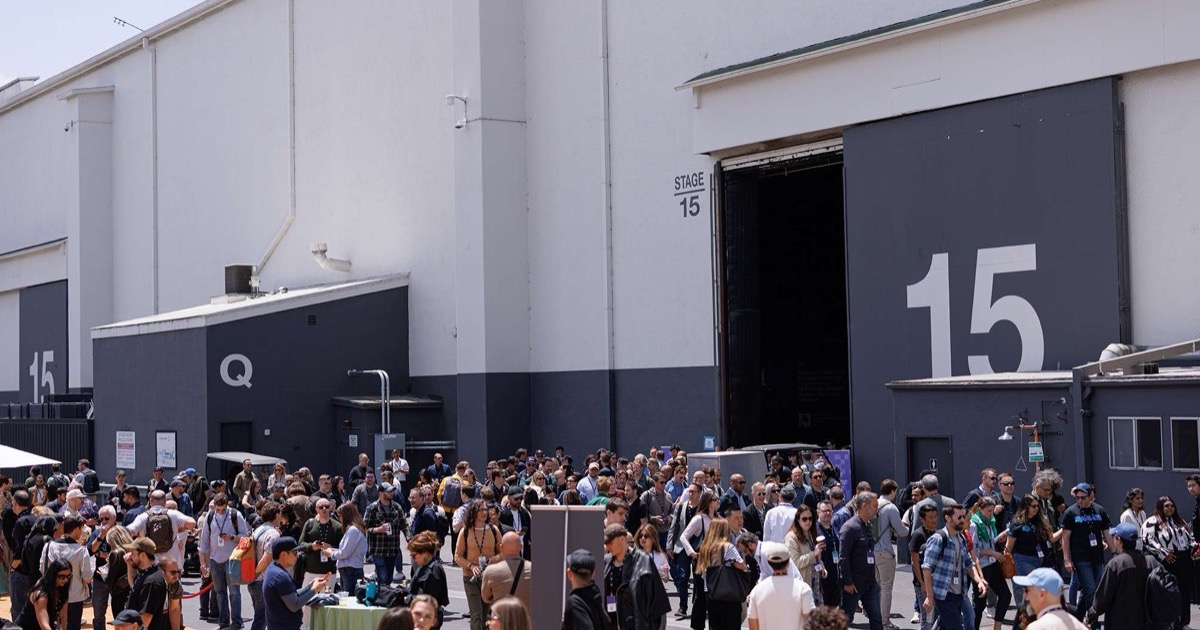
In film, Martin Scorsese's Black Forest Labs partnership kept the debate hot because the use case was not a generated movie. It was storyboarding. In festival culture, Tribeca's decision to premiere Dreams of Violets moved a full AI-generated feature closer to institutional legitimacy. In Hollywood production, AI On The Lot nearly doubled attendance year over year, which tells you the room is no longer fringe.
Advertising is running the same argument with less patience. Cannes Lions is weeks away, and the industry conversation is already shifting from novelty to measurable return, human creative value, creators, and operating models. The commercial side is not going to wait for a clean philosophical answer before it rewires production.
That is why I think the old question, "was AI used?", is starting to fail.
It is not useless. It still matters when work is sold as handmade, documentary, human-authored, or evidence-based. But as a primary question, it is too blunt for where the tools now sit. AI can be in research, pitch development, storyboards, scheduling, localisation, rotoscoping, edit assistance, CRM, media buying, search, personal assistants, and client reporting without ever becoming the final visible image.
The better question is control.
A tool story becomes a labour story
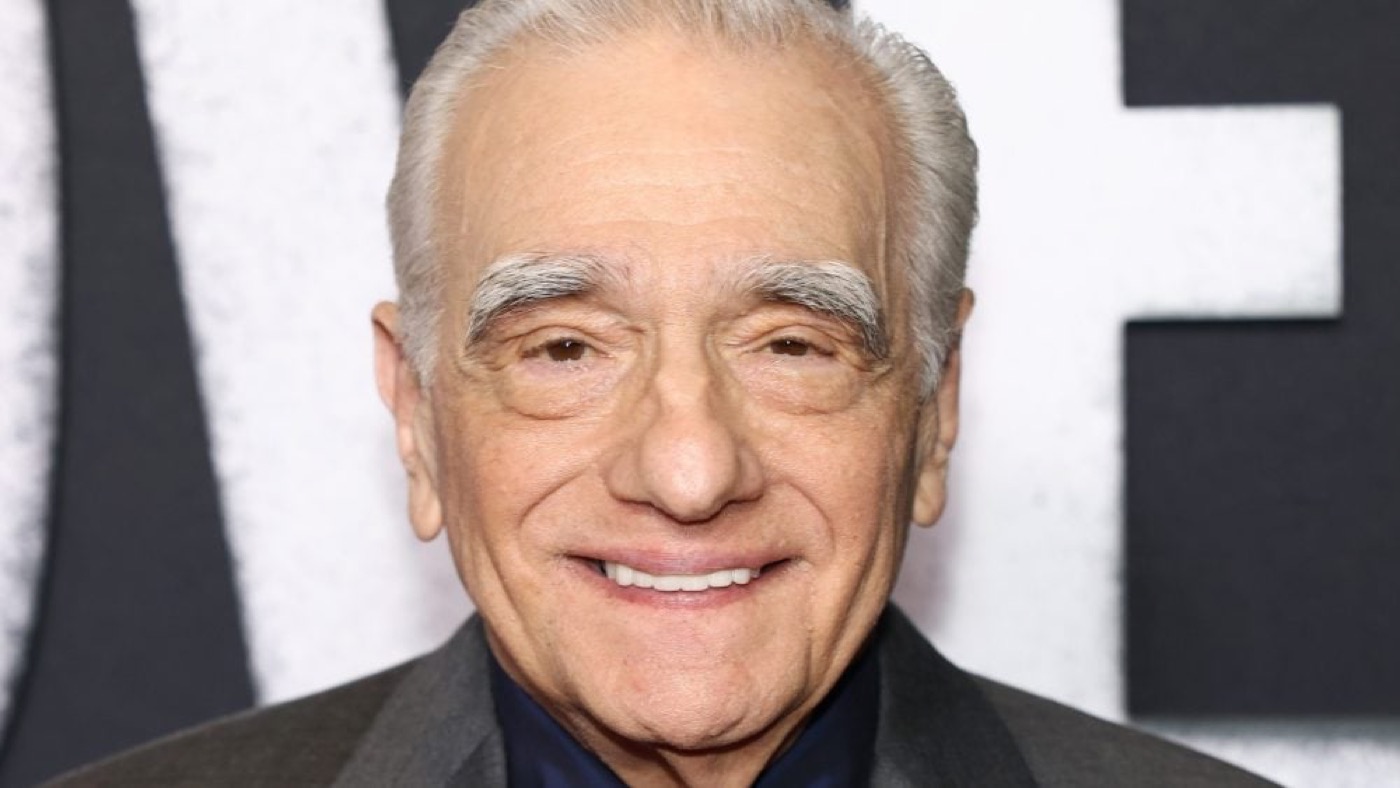
The Scorsese story is the cleanest example because it is both narrow and symbolically huge.
On paper, using a generative image model to clarify a storyboard is a pre-production workflow story. A director has an image in his head. A tool helps him communicate it more quickly to the production designer, art department, cinematographer, and wider creative team. That is different from asking a system to author the film.
But nobody heard it that clinically. Scorsese is not just another director. His name carries preservation, taste, authorship, and the idea of cinema as a serious human memory machine. When he publicly validates a model company, the industry hears more than one filmmaker testing a sketchpad.
Variety's follow-up analysis widened the point: AI is already being discussed across storyboards, generated backgrounds, production timelines, and full AI features. Once that becomes the frame, the reaction from storyboard artists and film workers makes sense. They are not only reacting to Scorsese. They are reacting to the way studios and clients translate curiosity into cost reduction.
The practical distinction is still worth defending. A master filmmaker using AI to clarify an authored thought is not the same as a production replacing artists because the deck says pre-production can be cheaper. But the industry has a habit of collapsing those distinctions when the budget is under pressure.
The festival line is moving
Tribeca's Dreams of Violets is a different kind of pressure test.
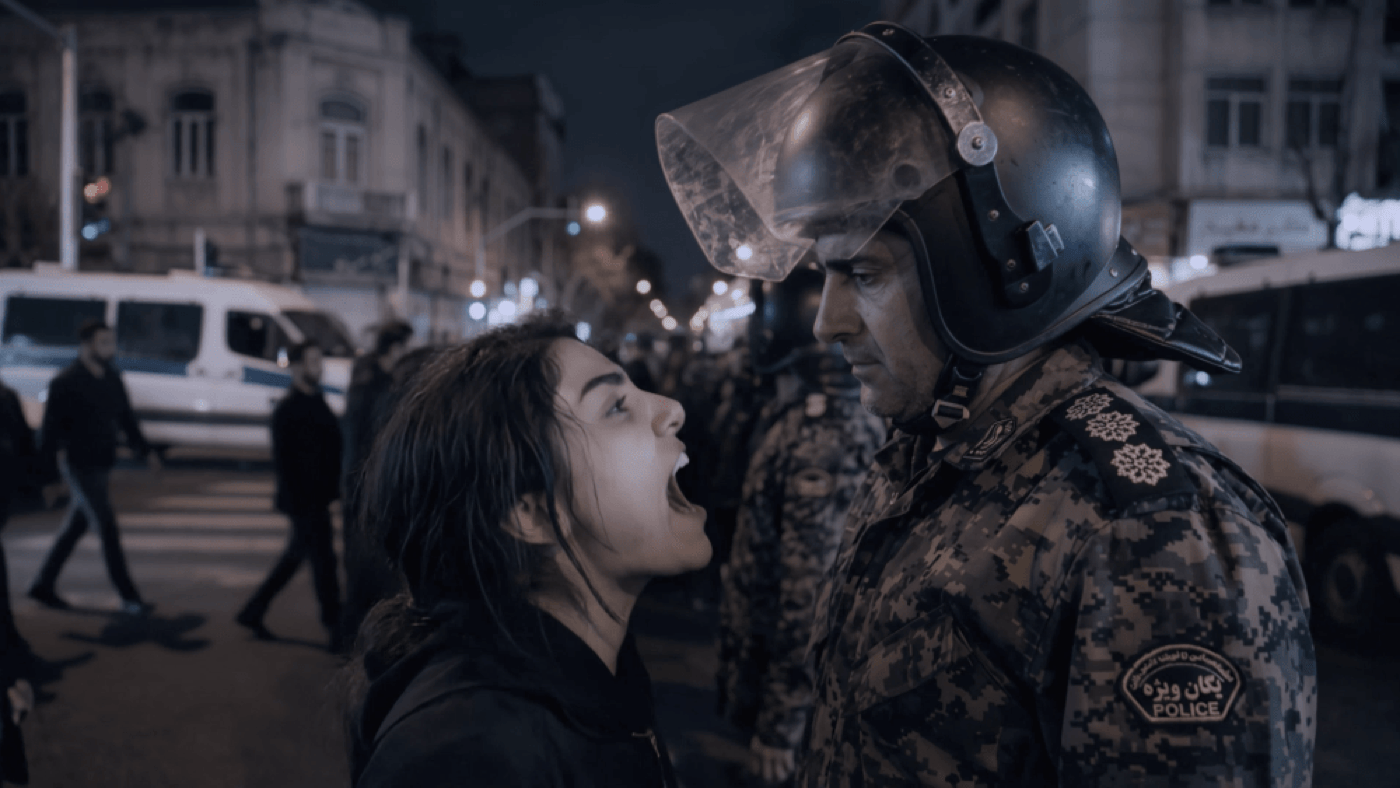
According to Variety, the 75-minute docudrama was built with AI tools and is aimed at Iranian civilian resistance. The director, Ash Koosha, framed AI as a way to make a film about a place he could not safely access with a conventional crew.
That is a stronger argument than cheap spectacle. It gives the technology a production constraint, a political subject, and a reason beyond novelty. It also makes the ethical problem harder, because the use case is not a fake beer commercial or a synthetic celebrity gag. It is a memorial film about real people and real violence.
This is where festivals will have to get much more precise. A fully generated film can be exploitative, empty, urgent, formally interesting, or all of those at once. The question is not simply whether the images were generated. The questions are about testimony, consent, reconstruction, disclosure, craft, and audience trust.
Cinema has always staged what cannot be filmed directly. It uses actors, sets, archive, miniatures, matte paintings, animation, VFX, reconstruction, and memory. AI does not invent the problem. It compresses it and makes the provenance much harder to read.
Hollywood is making AI procedural
The AI On The Lot coverage points to the most important production shift: AI is becoming procedural.
At the 2026 event, the argument was not only whether AI could make a shot. It was where AI already sits in tools, contracts, production workflows, and disclosure. Lori McCreary's point, reported by Screen Global Production, was that asking a writer whether they used AI may already be the wrong question because AI is built into so much software.
That is the real industrial change. Once AI is embedded in the ordinary tools, clean abstinence becomes difficult to define. Did the work use AI because the edit software suggested a transcript cut? Because the pitch deck used generative references? Because the production team used an assistant to summarise notes? Because the VFX vendor used AI rotoscoping? Because the agency used a model to version headlines?
The answer may be yes to all of those and still no to the question audiences usually mean, which is: did a machine replace the human creative decision?
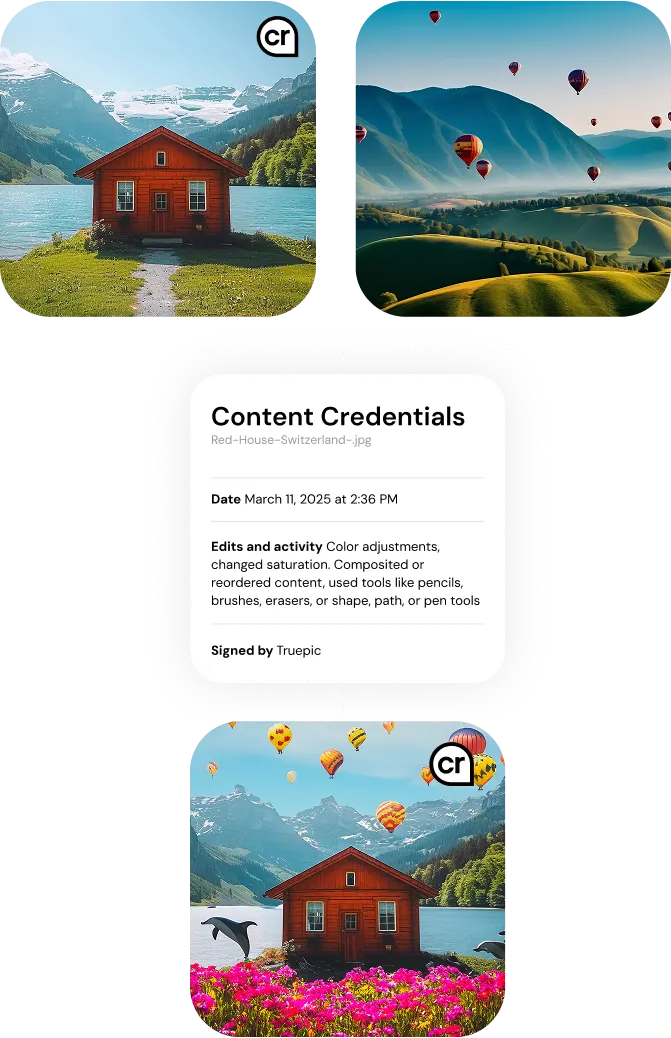
This is why disclosure has to become more granular. A single AI badge will not tell the truth. It needs to distinguish between assisted workflow, generated source material, synthetic performance, synthetic documentary evidence, model-trained style imitation, and final authored output.
Advertising will ask for proof faster
Advertising has a different temperature because it is closer to money.
A film can spend years inside an authorship debate. A brand campaign can be judged in days by spend, reach, attention, conversion, sentiment, and whether the client wants to run it again. That does not make advertising less creative. It makes the tolerance for vague AI theatre much lower.
The World Federation of Advertisers' Cannes preview makes the tension clear. Marketers are asking about the future role of humans in the creative process, how to measure creative impact, and how to use creators properly. That is not an anti-AI agenda. It is an accountability agenda.
The Drum's Cannes Lions piece goes even harder: the pilot era is over, and leaders want to know where the gains are. It also points to a new commercial model where software, services, staffing, workflows, and change management are harder to separate.
That is exactly the part agencies, production companies, and creative technologists need to take seriously. A brand will not care that an AI workflow is impressive if it produces generic output, weak attribution, brittle approvals, or no measurable advantage. The useful AI system will be the one that improves the brief, accelerates versioning, protects brand memory, keeps humans in charge of taste, and proves what changed.
Commercial AI is becoming infrastructure
The wider commercial AI news reinforces the same point from the platform layer.
Apple's WWDC timing matters because Siri is not another blank chatbot box. If Apple resets Siri properly, AI becomes a more personal interface across phones, messages, calendars, apps, and device context. Reuters reported that analysts expect Apple to frame AI as useful experiences and developer extensions rather than technology for its own sake.
Anthropic's confidential IPO filing points in the other direction: enterprise trust, procurement, valuation, and public-market pressure. AP reported that Anthropic is moving toward going public after a valuation near $965 billion. That number is not a creative fact, but it changes the creative market because it changes the infrastructure companies, investors, and clients build around.
Together, Apple and Anthropic show that AI is leaving the demo stage. It is becoming a consumer interface, an enterprise purchase, a workflow layer, a media problem, and a creative systems question.
For filmmakers and advertisers, this means the debate cannot stay at the level of taste alone. Taste still matters most. But taste now has to operate inside procurement, contracts, model choices, platform defaults, data permissions, client governance, and measurement.
The right line is authored tool use
The line I keep coming back to is authored tool use.
A tool can help a filmmaker express a visual thought. It can help a commercial team test ten campaign versions without burning the edit budget. It can help a small studio show an impossible world before the finance exists. It can help a brand localise assets, organise research, find weak claims, or turn performance data into better creative questions.
But it should remain answerable to a person with taste, responsibility, and a reason for the image to exist.
That is where I would draw the distinction for this site, for Vertical Haus, and for the kind of work I care about. AI is useful when it gives a human creative team more control over intent, more clarity before production, more leverage after launch, or more evidence that a decision is working. It is corrosive when it hides authorship, washes away labour, simulates proof, or turns a creative judgement into a procurement shortcut.
So no, I do not think the serious question is whether AI was used. That question will still matter in credits, contracts, disclosure, documentary truth, and client trust. But it cannot carry the whole debate anymore.
The better questions are harder and more useful: Who controlled it? Who was paid? What was disclosed? What did the audience believe they were seeing? Did it make the work sharper, or just cheaper? Could the team defend the decision if the process were made public?
That is the new standard. Not purity. Accountability.
Build
Need a repeatable AI production workflow?
Mike designs the tools, review loops, and publishing systems that make it usable.
Launching a business of your own? Founder Launch OS connects the brand, offer, website and visual campaign in one guided Codex or Claude Code workspace.
Keep reading