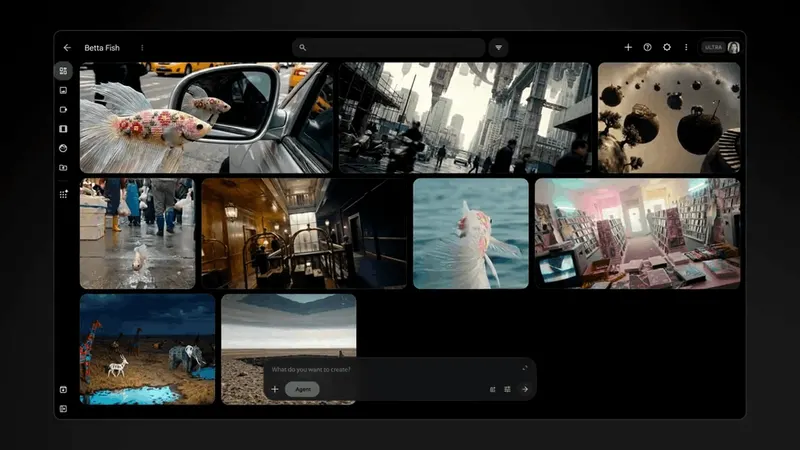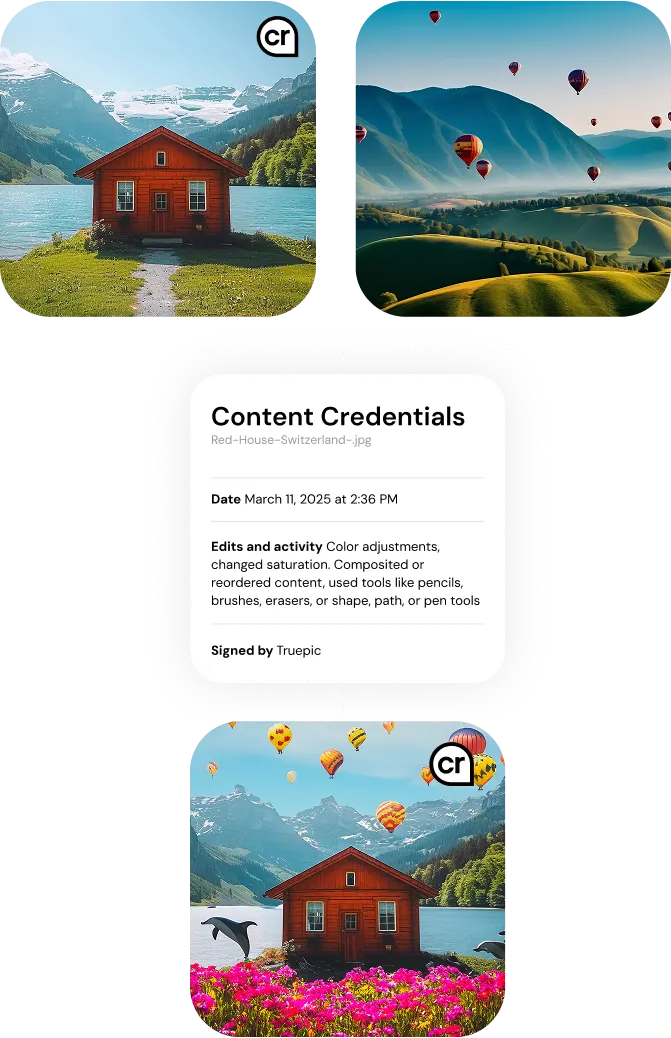
Signal 1: Netflix is treating GenAI as production and ad infrastructure
On July 16, 2026, Netflix told shareholders that GenAI workflows had been used in roughly 300 of its titles during 2026, with the largest concentration in post-production. It named Glory, Brasil 70: A Saga do Tri and The American Experiment as examples using GenAI for enhanced crowds, historical battle sequences and worldbuilding establishing shots. In the same letter, Netflix said it had expanded AI-powered tools across ad planning, creative production, campaign management, optimization and reporting during Q2.
Why it matters: one of the world's largest entertainment platforms is now describing content production and advertising inside the same AI operating frame. That is a stronger signal than another model reel. The technology is being attached to slate delivery, shots that might otherwise be omitted, advertiser access and monetization. The figures and quality claims are Netflix's own, and the letter does not break down models, labor, budgets or the exact boundary of each workflow, so 300 titles is evidence of breadth rather than a reusable efficiency benchmark.
What to do with it: create a shot- and asset-level AI register before usage becomes too broad to reconstruct. Record the production problem, source rights, model or service, inputs, selected output, human work, approvals, cost, time, disclosure and final QC. For advertising, connect that same asset record to audience, placement, claims review, campaign owner, measurement and kill rules. A studio or agency should be able to explain one delivered frame and one live variant without relying on a platform-wide headline.
Signal 2: Generative video has entered the work document
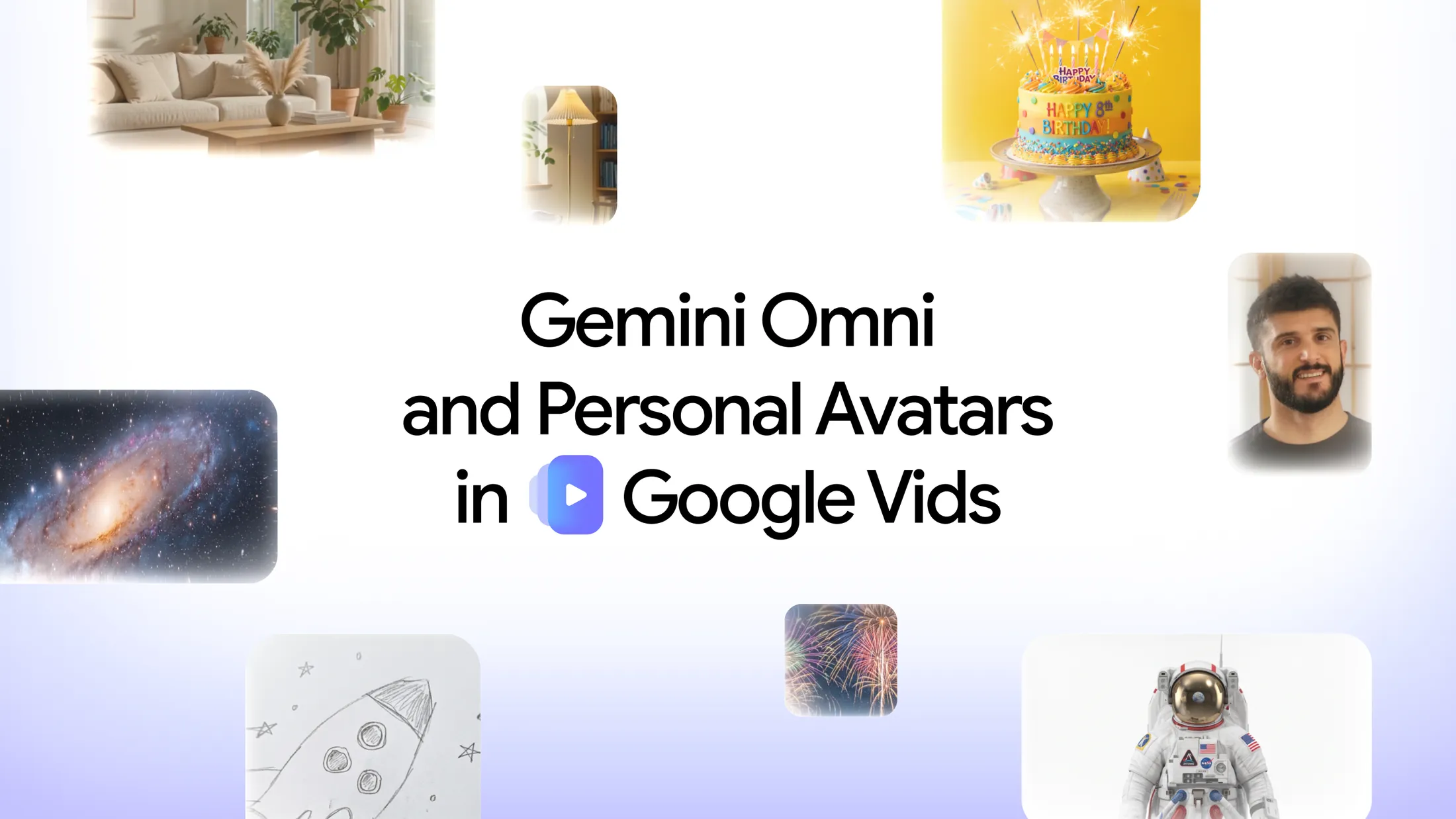
On July 16, 2026, Google added Gemini Omni and personal avatars to Google Vids. Workspace teams can generate clips from text and image references, edit generated or recorded footage through step-by-step instructions, and create an account-linked avatar from a selfie and short voice recording. Google says every generated clip carries an invisible SynthID watermark; avatar access is limited by age and region and restricted to the account holder's likeness.
Why it matters: generative video is no longer only a specialist model destination. It is becoming a shared work surface beside documents, presentations and approvals. That can compress product demos, training, internal updates and rapid concept films, but it also means synthetic footage and likeness-based delivery can be created by people who do not think of themselves as a production team. Easier authoring increases the need for a visible decision path.
What to do with it: pilot one bounded use case before offering video generation to an entire organisation. Define which material can stay internal, which needs brand or legal review, when a real performance is required, who can create an avatar, how consent is withdrawn and how AI use is disclosed in the export. Keep approved scripts, source references and final masters outside the Vids project so the work remains reviewable and portable.
Signal 3: Agent instructions are becoming a software supply chain
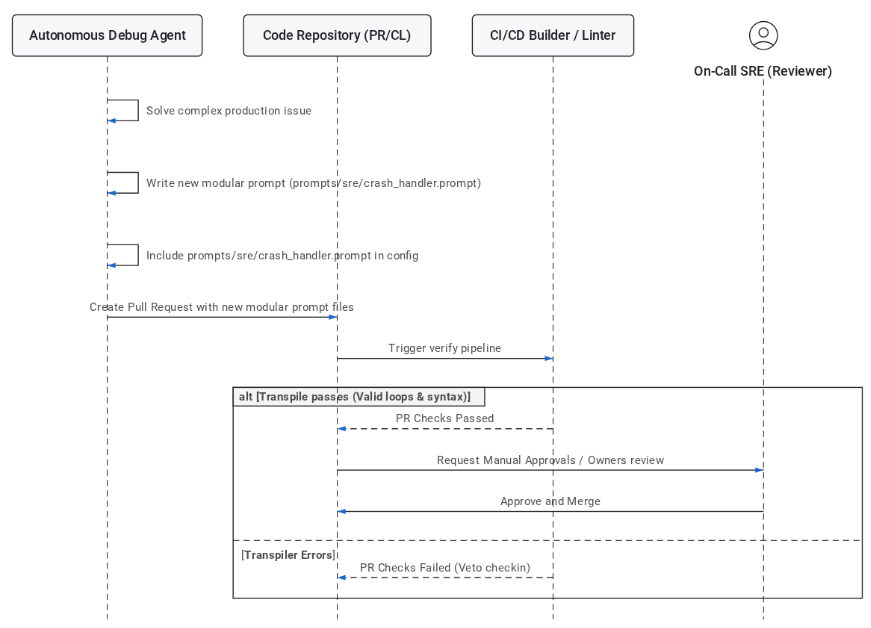
Also on July 16, the Google Developers Blog described modular prompt transpilation for production agents. The proposed pattern splits a large system prompt into reusable instruction files, compiles them into a deterministic artifact, catches missing imports, undefined variables and circular dependencies at build time, and uses a golden-file comparison to detect drift. Task-specific skills can load only when needed, while an agent may propose an instruction update through a pull request rather than rewrite itself live.
Why it matters: a creative operations agent quickly accumulates brand rules, rights checks, naming conventions, disclosure language, vendor restrictions, client-specific exceptions and escalation paths. If all of that lives in one long prompt, a small edit has an unclear blast radius and copied rules start to diverge. At that point prompt maintenance is not a writing task. It is production reliability.
What to do with it: separate the non-negotiable control plane — identity, permissions, safety and approval boundaries — from task skills such as storyboarding, asset tagging, localization or delivery. Version both the source modules and compiled prompt, attach an artifact hash to run records, and make representative evaluations part of CI. Let agents draft improvements, but require tests and a named human reviewer before those instructions reach production.
Signal 4: Automated red teams are becoming part of agent QA
On July 15, 2026, OpenAI published GPT-Red, an internal-only model trained through self-play to attack other models with prompt injections. On OpenAI's replicated indirect-prompt-injection arena, GPT-Red found successful attacks in 84% of scenarios against GPT-5.1, compared with 13% for human red-teamers. OpenAI also reports that adversarial training with GPT-Red helped GPT-5.6 Sol produce six times fewer failures on its hardest direct prompt-injection benchmark than its best production model four months earlier.
Why it matters: production agents read untrusted material by design — webpages, emails, briefs, shared files, repositories, tool output and asset metadata. Any of those surfaces can carry an instruction that attempts to redirect the agent, expose a file or trigger a tool. A polished creative output tells you nothing about whether the system handled those hidden instructions safely.
What to do with it: add adversarial fixtures to the acceptance test for every agent that can read external content or act on a production system. Plant canary files, inject hostile instructions into staging briefs and pages, and verify that the agent preserves the user's goal. Combine those tests with least-privilege access, action allowlists, confirmation gates for publishing or payment, sandboxed tools, immutable logs and a kill switch. A stronger model is a layer, not the security plan.
Signal 5: Media discovery is becoming conversation plus action
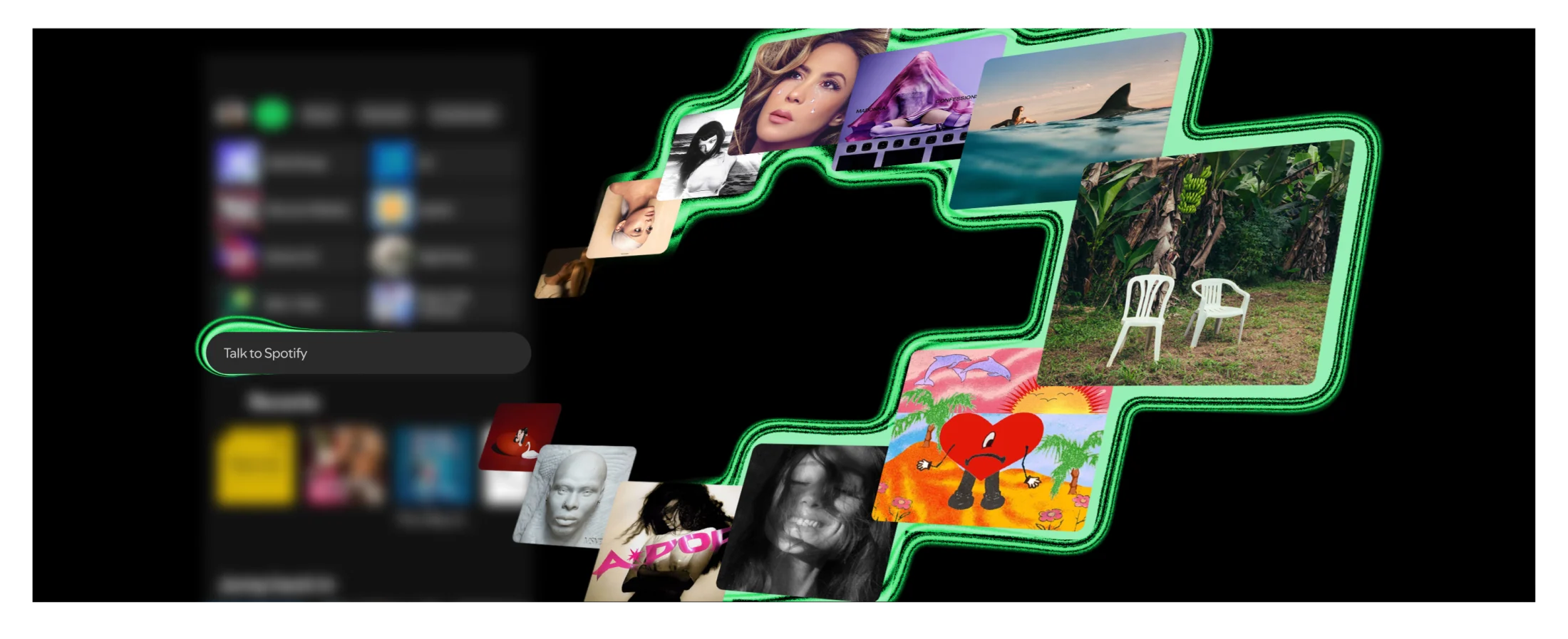
On July 14, 2026, Spotify announced the beta of Talk to Spotify. Eligible Premium users can type or speak in Home and Now Playing, refine a request through follow-up questions, ask about music, podcasts and audiobooks, and take actions such as saving a song, adding it to the queue or following an artist. The English-language beta is rolling out gradually to adults in the US, Ireland and Sweden on iOS and Android.
Why it matters: a media catalogue is becoming an action surface rather than a grid of covers and search results. The conversational layer can connect intent, listening history, editorial context and a reversible product action in one exchange. For artists, podcasters, publishers and entertainment brands, that makes accurate credits, dates, descriptions, transcripts and relationships between works more useful product material — not housekeeping after launch.
What to do with it: audit the structured information around the work before optimizing copy for an assistant. Confirm names, release dates, contributors, episode descriptions, transcripts, artwork rights and links between a guest, series and back catalogue. Then build a small question set that reflects real audience language and test how the work is explained and found. Product teams should log follow-up context separately from the action and make queue, save and follow decisions easy to undo.
Build
Need a repeatable AI production workflow?
Mike designs the tools, review loops, and publishing systems that make it usable.
Launching a business of your own? Founder Launch OS connects the brand, offer, website and visual campaign in one guided Codex or Claude Code workspace.
Keep reading