The screening room is now a workflow audit
The first wave of AI film festivals was easy to understand. They were proof-of-possibility events. Could a prompt, a model, and a person with taste make something that looked like a film?
That phase is ending. The more interesting festival question now is not whether the image looks cinematic. It is whether the whole production logic holds together once the work is shown in public.
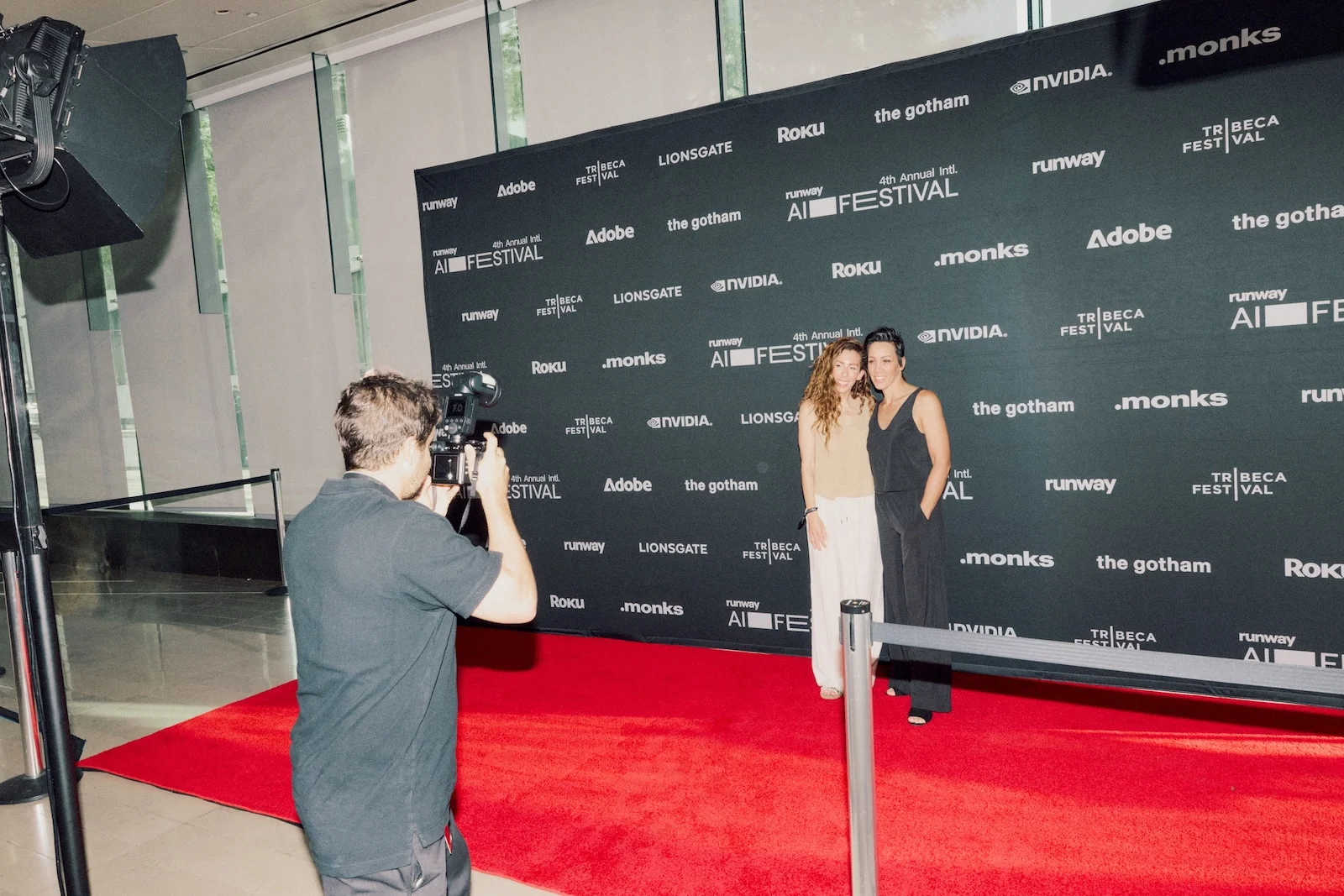
Runway's AIF 2026 makes that shift visible. The festival describes itself as a celebration across Film, Design, New Media, Fashion, Advertising, and Gaming. That matters because AI film is no longer sitting neatly inside the old short-film category. It is becoming a workflow language that moves across entertainment, branded work, interactive media, fashion films, games, and commercial content.
When that work enters a festival room, the audience is not only watching the result. They are testing the process. Can the filmmaker hold character identity? Can the world stay coherent? Does the sound belong? Does the edit understand rhythm? Is the disclosure honest? Is the tool use a reason for the film, or just a cheaper route to an image?
Runway turned the prompt reel into an event circuit
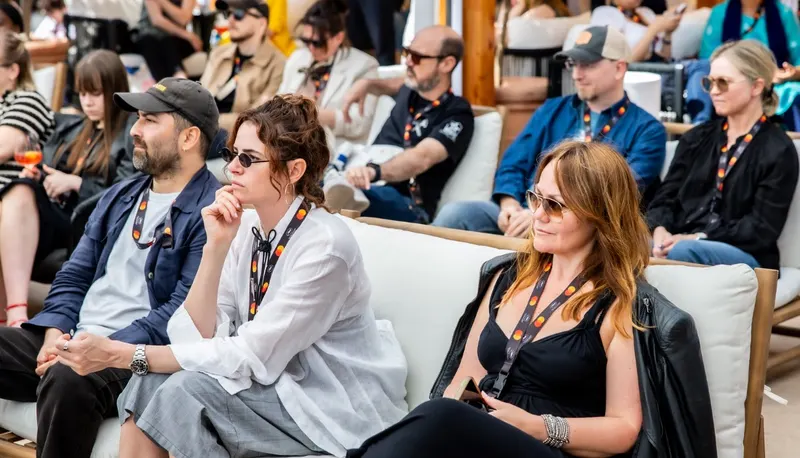
Runway's AI Festival is important because it gives AI filmmaking a public structure: submissions, categories, jurors, screenings, partners, prizes, winners, and a social context around the work. That structure changes the standard.
A private prompt reel can survive on novelty. A festival selection has to survive comparison. It is placed beside other work, watched at a fixed duration, judged by people with taste, and discussed outside the maker's own feed. That pushes AI film away from tool demonstration and toward craft accountability.
The 2026 AIF page is also full of workflow clues. It does not only present film finalists. It shows partners, jurors, multidisciplinary tracks, venues, winning work, and production-adjacent categories. The event is implicitly saying that AI creativity is not one film lane. It is a network of production methods.
That is why the phrase AI film festival is already starting to undersell the thing. The more precise phrase may be AI workflow festival.
The winners reveal the real standard
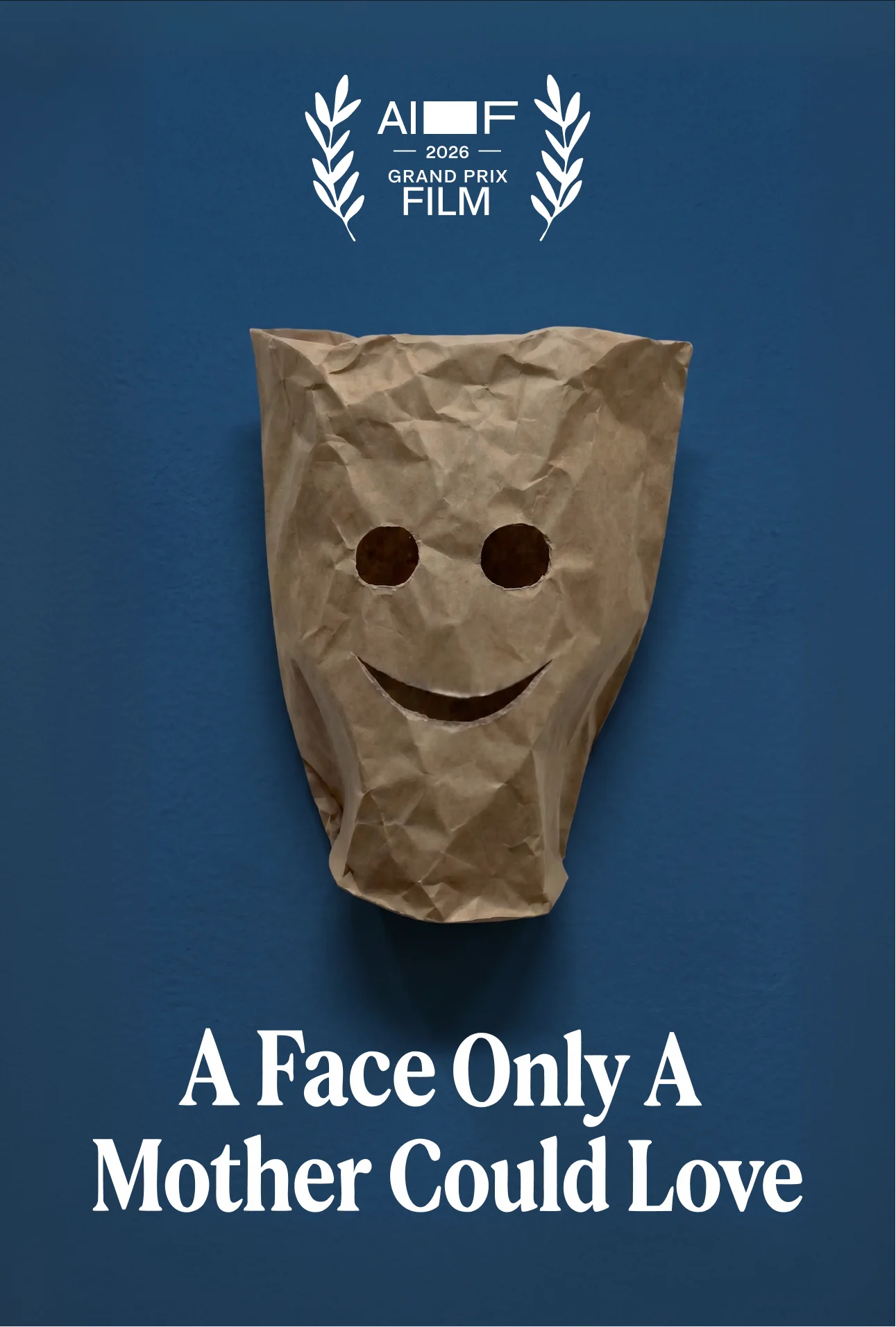
The films listed on the AIF page are useful because the titles and categories stop the conversation from staying abstract. A Face Only A Mother Could Love, THE WELL, Where Knights Fall, Costa Verde, TAIRELL ISN'T REAL, Little Mes, POSTMAN, Divine Retribution, and the wider best-of category work all have to stand as authored pieces, not just model outputs.
That is the important difference. A festival cannot only reward visual fidelity, because visual fidelity is now table stakes. It has to reward taste, selection, timing, sound, theme, control, and the filmmaker's ability to decide what not to generate.
The same is true for the non-film tracks. Advertising, design, fashion, gaming, and new media all force AI work into different kinds of proof. A fashion film has to understand texture, movement, body, silhouette, and brand memory. Advertising has to answer to an offer and an audience. Gaming has to think about interaction and state. New media has to decide what the viewer is allowed to do.
The festival starts to become a map of where AI is commercially useful, not just where it is visually exciting.
Tribeca made the ethics harder
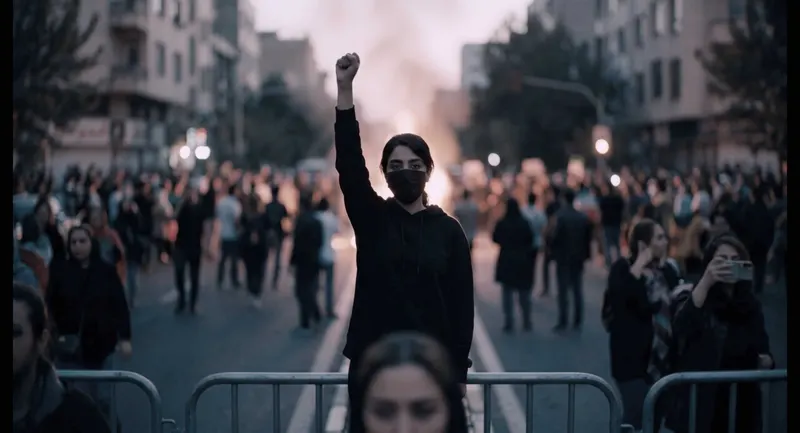
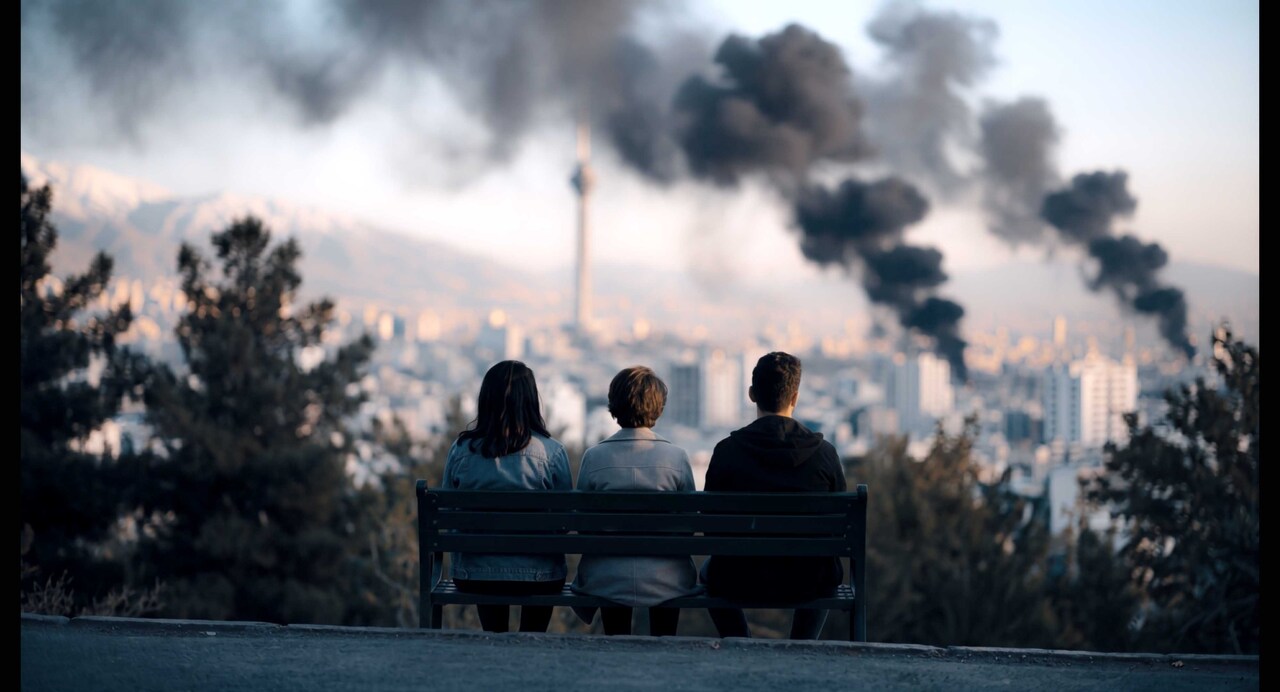
Tribeca's Dreams of Violets is a harder case than a synthetic genre reel. The official listing describes a 75-minute docudrama inspired by 47 years of Iranian civilian resistance. That immediately changes the standard.
If the subject is real violence, protest footage, resistance, and political memory, the audience is not only asking whether the generated image is impressive. It is asking what the image owes to truth. Who is being reconstructed? What has been fictionalised? What was witnessed, what was generated, and what has been disclosed?
That does not make the use of AI automatically illegitimate. Cinema has always reconstructed what could not be filmed directly. It uses actors, sets, archive, animation, visual effects, testimony, memory, and metaphor. AI joins that lineage, but it also makes provenance harder to read.
For festivals, that means the workflow has to include more than model selection. It has to include ethics, credits, sources, disclosure, and a serious answer to why this story needed this method.
Cannes is becoming the market layer
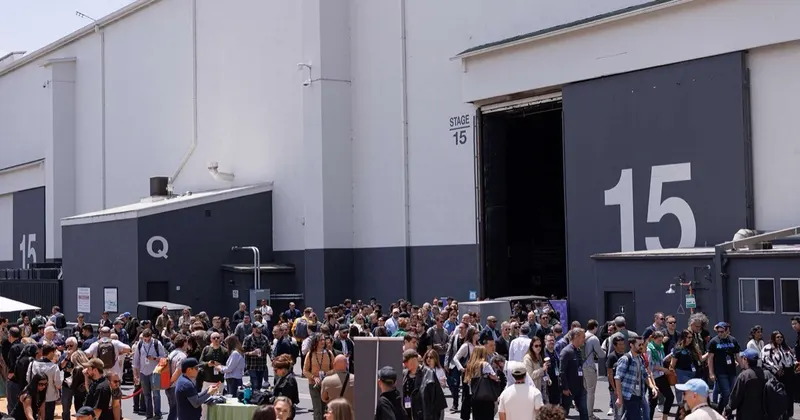
Cannes is useful because it separates prestige, market gravity, and technology theatre in the same city. The official festival is one thing. The Marche du Film ecosystem is another. The surrounding events are another again.
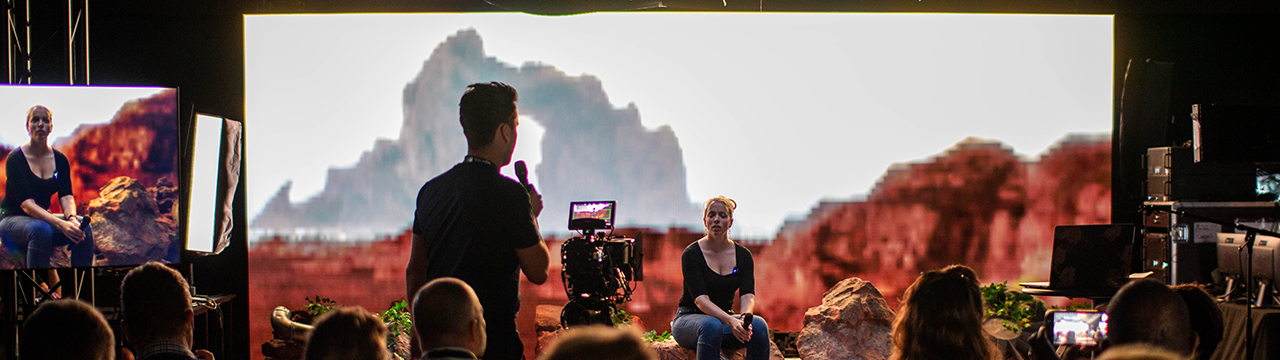
The AI for Talent Summit is the clearest official-market signal: AI is being framed as something reshaping filmmaking and the content industry, not just a curiosity sitting outside the business.
Hell Grind shows why the distinction matters. Some coverage blurred the line between Cannes and the official Cannes Film Festival, while CineD carefully separated the private industry preview and Cannes market context from Official Selection. That may sound pedantic, but it is exactly the kind of precision AI film now needs.
If the workflow is new, the language around it has to be cleaner. Was it in competition? Was it in the market? Was it a private screening? Was it a sales reel? Was it a film, an episodic proof, or a platform demonstration? The answers change how the work should be read.
The workflow is the new auteur signature
The romantic version of AI filmmaking says one person can now make a film alone. Sometimes that may be true. But it is incomplete.
The more serious version is that the workflow becomes part of the authorship. Which model was used? How were characters locked? How were voices handled? How many generations were rejected? Who edited? What references were used? What rights were cleared? What was disclosed to the audience? Which parts were human-written, human-performed, or human-shot?
This is why iQIYI's NadouPro story belongs in the same conversation as festivals. The company framed its AI production platform around shot tracking, scene management, model orchestration, and efficiency. That is not a festival announcement, but it points to the same future: AI film will be judged by the system behind the image.
In traditional filmmaking, the set is the decision system. In AI filmmaking, the workflow becomes the virtual set. That is where continuity, taste, labour, and responsibility either survive or disappear.
What good festivals should ask next
AI festivals should resist the temptation to become pure spectacle. The images will keep getting better. That is not enough.
The strongest programmes will ask for process notes, tool disclosure, rights statements, authorship clarity, and evidence that the work was shaped by a filmmaker rather than simply emitted by a model. That does not mean killing experimentation. It means treating experimentation seriously.
A good AI film festival can become a place where new craft standards emerge: continuity tests, ethical reconstruction language, synthetic performance rules, sound and edit criteria, credit formats, and better vocabulary for model-assisted labour.
That is the useful future. Not a novelty corner. Not a replacement fantasy. A public room where generated work has to answer the same hard questions as any other film, plus a few new ones.
The best work will not hide the machine
The best AI films will not pretend the machine is irrelevant. They will put it under control.
That means using AI where it solves a real production problem, expands a story that could not otherwise be made, or gives a filmmaker access to a form they can actually control. It also means refusing the easy win when the image looks expensive but the scene has no interior logic.
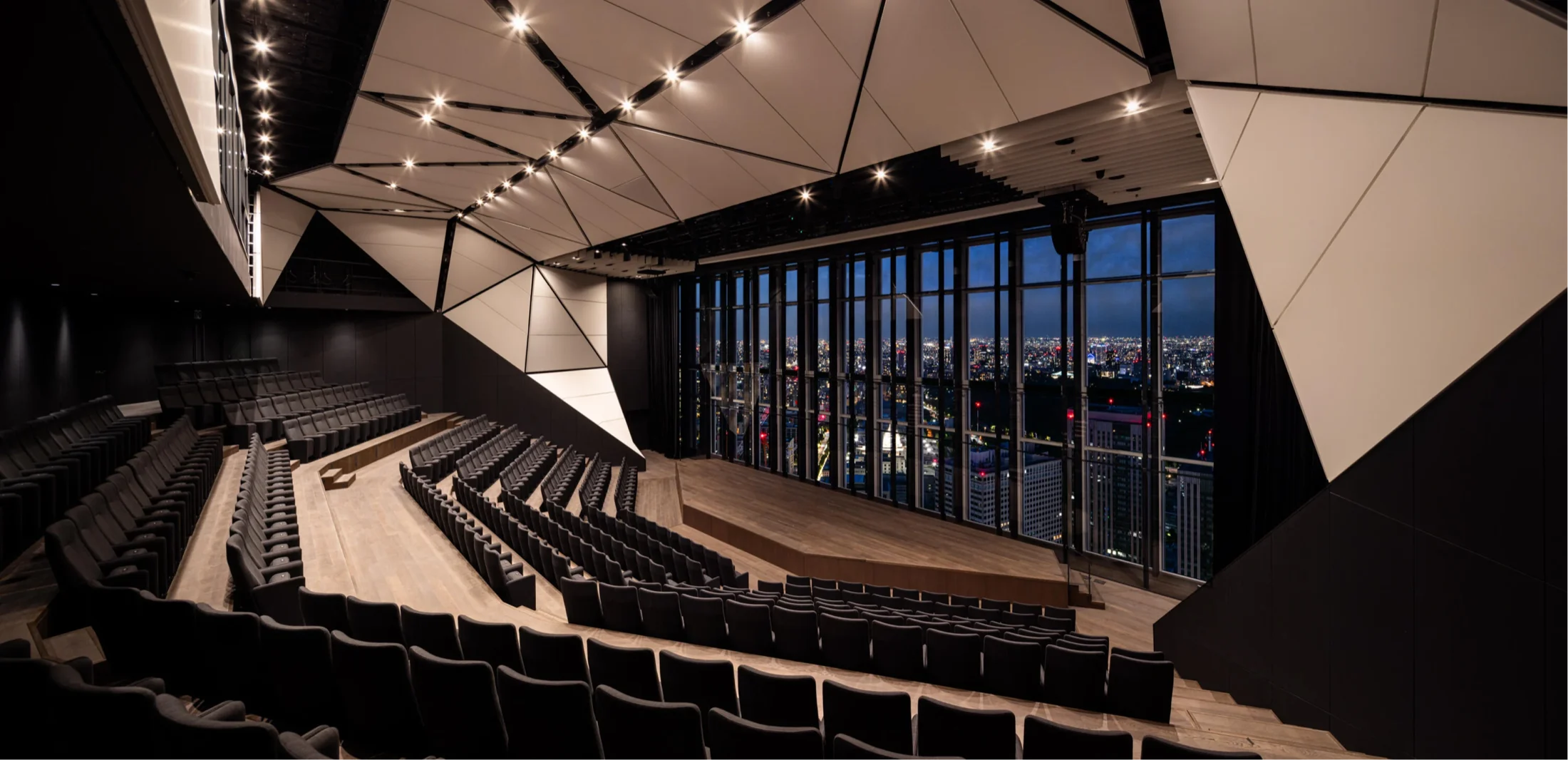
Festivals are the right place for that argument because festivals are where form becomes public. Once an AI film is in the room, it has to carry time, attention, boredom, surprise, sound, ethics, and judgement.
That is why AI film festivals are becoming workflow festivals. The frame may get people through the door, but the workflow is what decides whether the work can stay there.
Build
Need a repeatable AI production workflow?
Mike designs the tools, review loops, and publishing systems that make it usable.
Launching a business of your own? Founder Launch OS connects the brand, offer, website and visual campaign in one guided Codex or Claude Code workspace.
Keep reading