Edwards is describing the useful version of AI
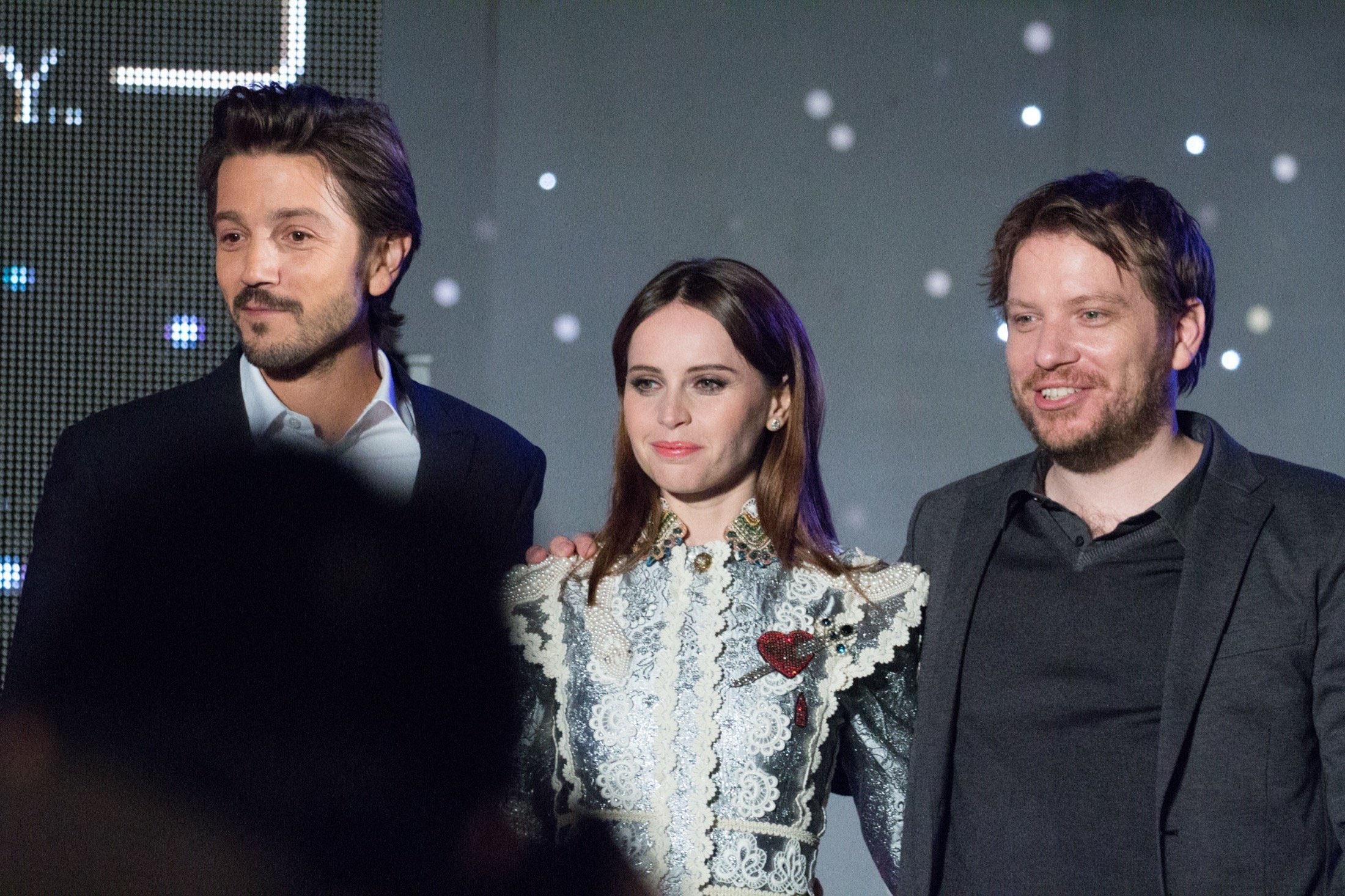
Gareth Edwards praising AI should not be read as another empty Hollywood shock headline. It is interesting because Edwards is exactly the kind of filmmaker who understands both sides of the argument. He has a visual effects background, he has made large-scale studio films, and The Creator was already built around the image of artificial intelligence as both fear and possibility.
The Guardian reported that Edwards spoke at Amazon's AI on the Lot event and framed AI as a major filmmaking tool, especially for iteration and discovery before a film is fully locked. That distinction matters. He was not describing a machine that should make the movie for you. He was describing a second creative engine that lets a filmmaker pressure-test a movie before the expensive machinery starts moving.
That is the version worth taking seriously. AI is not interesting because it can spit out anonymous spectacle. It is interesting because it can make the early, messy, uncertain part of filmmaking more visible. It can help a director find the film faster, discard weak routes earlier, and walk onto set with a clearer sense of what is worth protecting.
The biggest immediate win is before the camera rolls
Pre-production is where AI can be genuinely transformative without pretending to replace cinema. A director can explore mood, scale, blocking, scene logic, creature behaviour, environments, production design routes, lens references, colour temperature, weather, crowd density, marketing tone, and editorial rhythm long before a unit is on the clock.
That is not a small thing. Traditional pre-production is full of expensive uncertainty. You storyboard, moodboard, previs, write, scout, cast, budget, schedule, and hope the choices still feel right once reality arrives. AI can compress some of that discovery loop. It can turn a sentence into a visual target, a loose idea into a storyboard, a look reference into ten alternatives, and a production question into a conversation the whole team can see.
Used well, this does not remove the cinematographer, designer, editor, producer, or VFX supervisor. It gives them a clearer board to argue with. That is valuable because the best film work is not frictionless. It is full of informed disagreement. AI can make the disagreement sharper earlier.
Small teams will get much larger imaginations
The most exciting part is not what AI does for giant studios. Big studios already have departments, vendors, previsualisation teams, post pipelines, marketing machines, and enough money to brute-force a problem. The real shift is what happens when small teams gain access to visual ambition that used to be structurally out of reach.
Independent filmmakers, commercial directors, music video teams, documentary makers, theatre companies, artists, educators, fan communities, and online creators can now prototype at a level that would have seemed absurd a few years ago. They can test worlds, treatments, pitch films, make proof-of-concepts, localise assets, design fictional interfaces, build companion content, and make the idea legible enough to attract support.
That does not mean every creator suddenly becomes a feature director. Taste remains the filter. But it does mean the distance between imagination and evidence gets shorter. A filmmaker no longer has to wait for permission to show the size of the idea.
Post-production becomes more conversational
Post is another obvious pressure point. The near future is not just one prompt making a finished shot. It is editors, colourists, VFX artists, sound designers, and directors using AI to explore versions faster: temp shots, clean-up, relighting references, rough creature passes, background extensions, dialogue fixes, localisation tests, title concepts, social cutdowns, and campaign variants.
That can sound unromantic, but it is where a lot of production pain actually lives. Creative teams lose days to versioning, waiting, translation, rotoscoping, manual clean-up, rough comps, and assets that are only needed to answer a question. AI can take some of that weight off the process and let humans spend more time on the decisions that carry meaning.
The danger is obvious: faster versions can lead to endless versions. Every tool that lowers friction also tempts people to keep moving the target. So the production skill becomes knowing when AI is helping the film and when it is only creating more noise for everyone to manage.
Cinema can become more than the same file everywhere
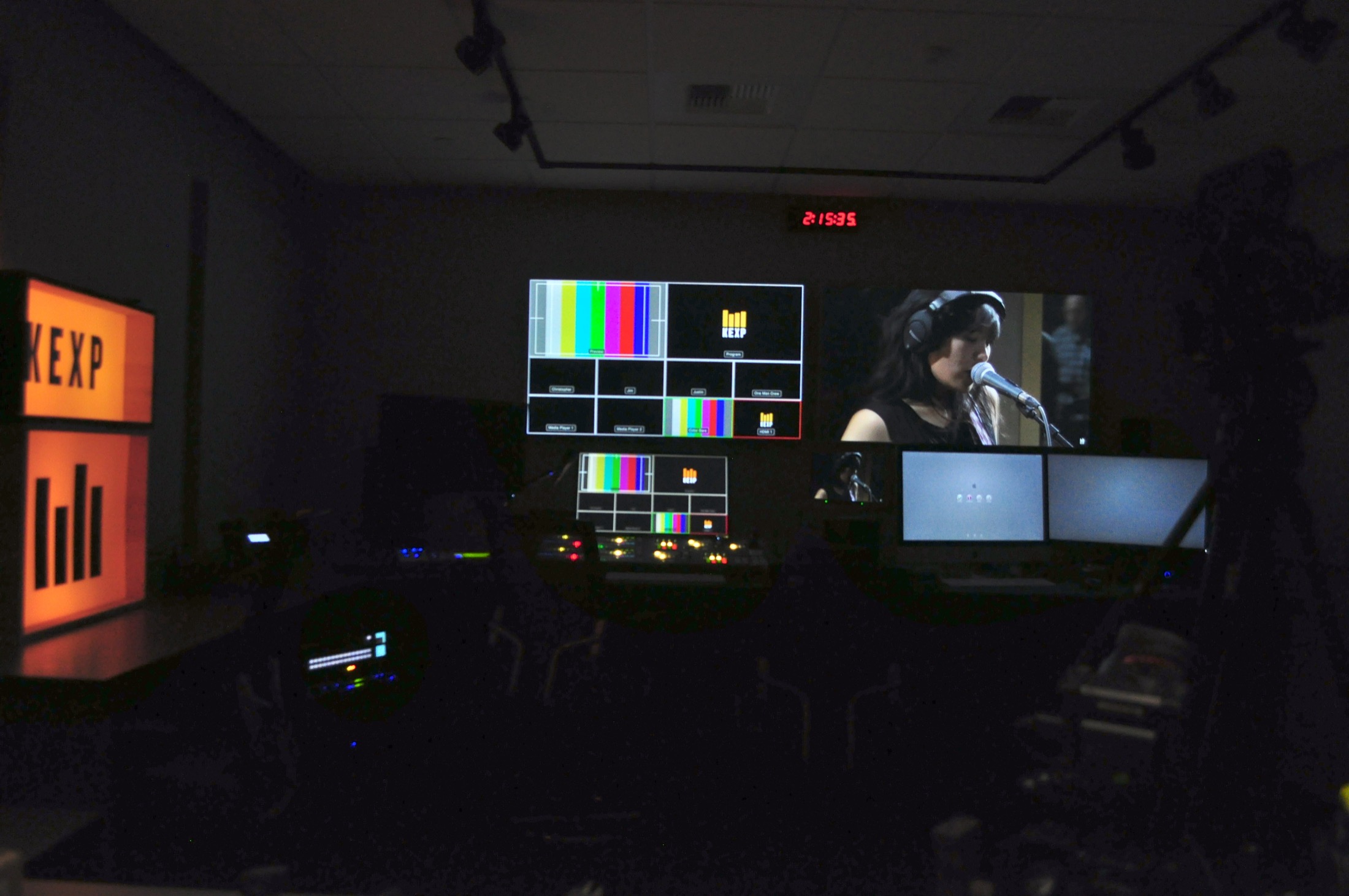
The entertainment opportunity goes beyond filmmaking itself. Cinemas have spent years defending the big screen as a premium room, and rightly so. But AI could give exhibitors and distributors new ways to make the cinema experience feel alive again rather than simply larger.
Imagine theatrical releases with localised pre-show material that actually feels premium, director-approved alternate intros, live event wraps, interactive foyer installations, AI-assisted accessibility layers, companion AR moments, audience-generated poster walls, dynamic Q&A summaries, and post-screening experiences that extend the world without cheapening the film.
The key is authorship. A cinema should not become a slot machine of synthetic extras. But a film can have a designed experience around it: a smarter lobby, a richer online ticket path, a more accessible screening, a better fan archive, a more personal bridge between the film and the audience. That is entertainment infrastructure, not just content generation.
Online entertainment is where the grammar changes fastest
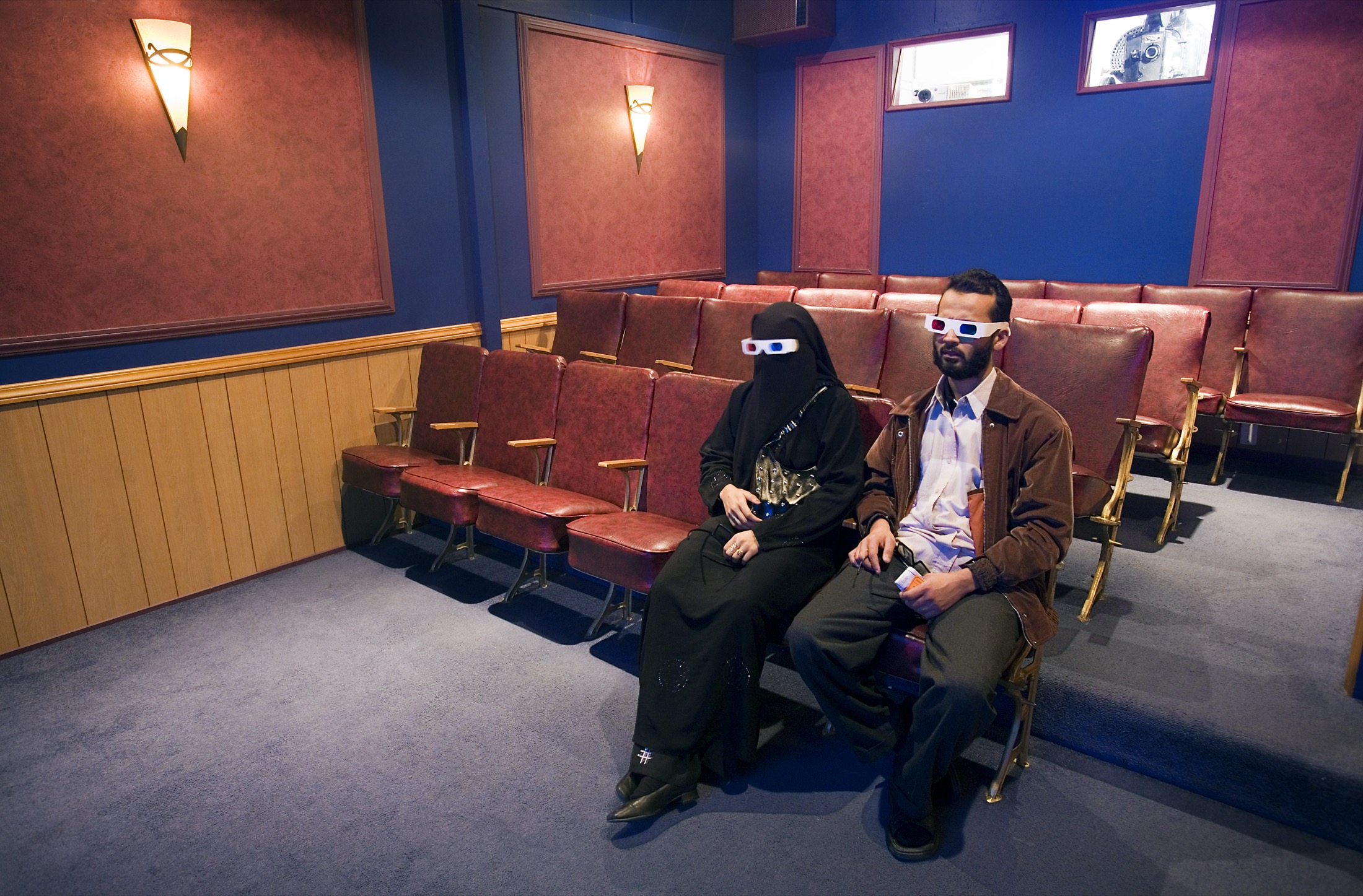
Online, the possibilities are even wider because the experience does not have to behave like a finished film. A story can become an interactive site, a shoppable fictional world, a personalised trailer path, an AI character encounter, a branching recap, a live social puzzle, a micro-drama feed, a fan archive, a creator toolkit, or a game-like layer that keeps evolving after release.
This is where AI becomes more than production support. It becomes an experience layer. The audience can move through the world rather than only receive it. A character can answer inside defined guardrails. A scene can generate supporting artefacts. A brand world can adapt to the user without losing its core identity. A film can become a living web surface that still feels directed.
That is particularly useful for entertainment properties that need to build audience before they have a giant distribution machine behind them. AI can help turn an idea into a world that people can enter, test, share, and return to. The job is to keep that world coherent enough that it feels authored rather than procedural.
The fear is real, but refusal is not a strategy
The emotional resistance to AI in film is not irrational. People are worried about jobs, authorship, consent, training data, image theft, voice cloning, synthetic extras, and executives using technology as a labour-reduction story. Those fears are legitimate. Anyone selling AI without acknowledging them is selling a fantasy with the hard parts removed.
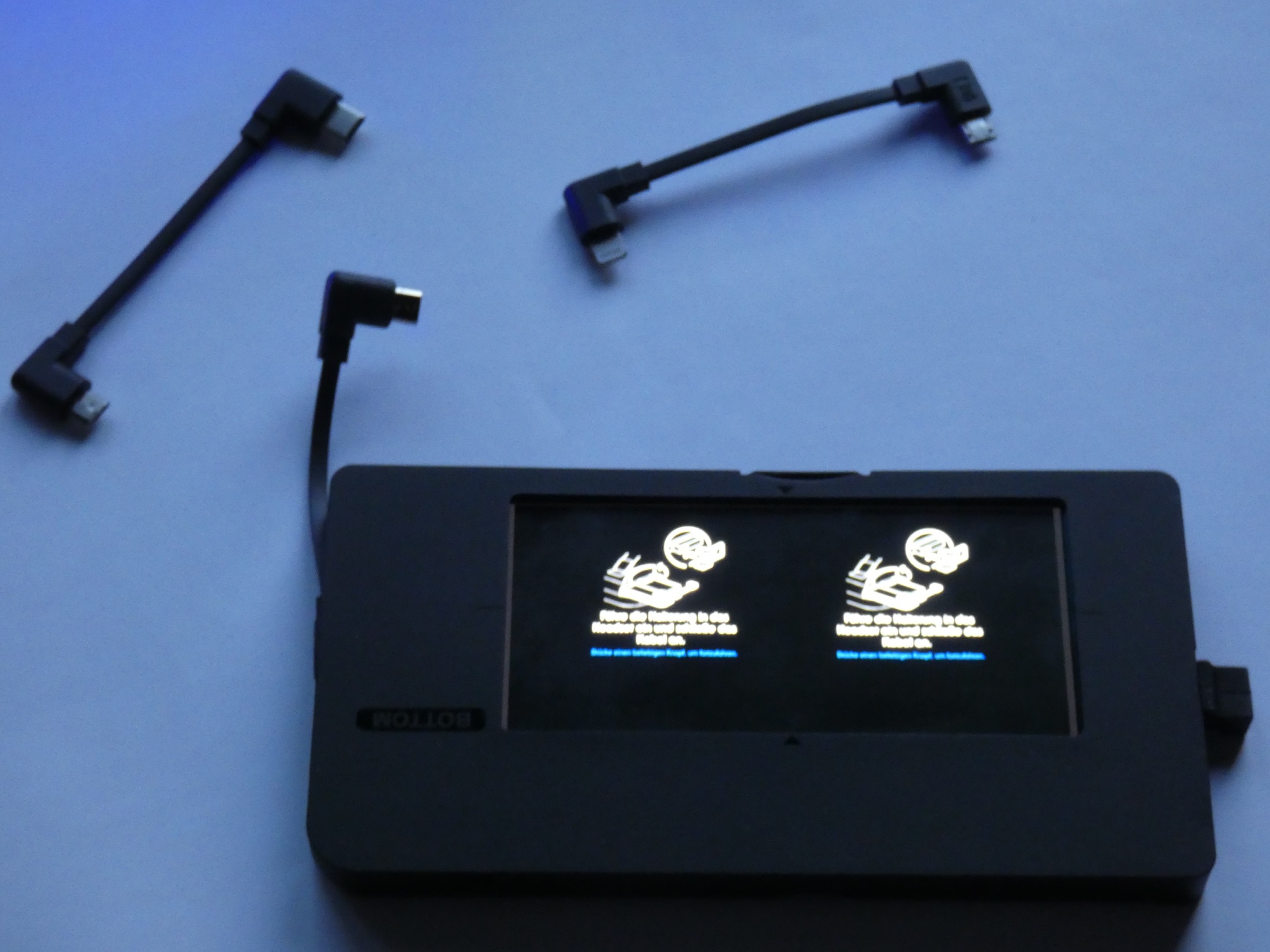
But refusal is not a serious long-term strategy either. The tools are moving into studios, streamers, software, agencies, schools, post houses, marketing departments, cinemas, and creator platforms. Variety reported Amazon MGM's GenAI Creators' Fund and Project Nara as a studio-level attempt to build AI into visual storytelling infrastructure. The LA Times described AI on the Lot as a growing industry event drawing thousands of attendees. That is not a fringe signal anymore.
The useful position is not blind adoption or blanket rejection. It is governance, fluency, taste, rights, and standards. Learn the tools well enough to know what they are good for. Build consent and provenance into the workflow. Keep humans responsible for creative judgment. Make the process legible enough that collaborators know what was generated, what was photographed, what was licensed, and what was approved.
The line is not AI. The line is final say.
Spielberg's recent position is probably the cleanest version of the boundary: AI can help, but it should not have the final word on creative decisions. That is also where Edwards' enthusiasm becomes most useful. The tool can be outrageous, fast, strange, generous, and occasionally wrong. The director still has to decide what belongs in the film.
That is the practical future: AI as an endlessly available draft room, not an authorial substitute. AI as the thing that helps you see the monster, the city, the stunt, the edit, the poster, the lobby, the trailer, the online world, the accessible version, and the impossible version before the budget says no. AI as a way to make more ideas testable, not a way to make every idea average.
Filmmaking has always been a negotiation between imagination and constraint. AI changes the constraint map. It makes some things easier, some things messier, and some ethical questions unavoidable. The filmmakers and entertainment teams who use it well will not be the ones who remove people from the process. They will be the ones who use the tool to make the human decisions sharper.
Build
Need a repeatable AI production workflow?
Mike designs the tools, review loops, and publishing systems that make it usable.
Launching a business of your own? Founder Launch OS connects the brand, offer, website and visual campaign in one guided Codex or Claude Code workspace.
Keep reading
Related notes
 AI Filmmaking Industry / 9 min readAdrenaline Junkies Changes What an ‘Unproduceable’ Commercial Means
 AI Filmmaking Industry / 7 min readHailuo H3 Max and Infinite Slop: What Happens When Video Never Ends?
 AI Filmmaking Industry / 10 min readXero’s AI-Generated Performers: What Commercial Localisation Has to Control