What a buyer should require before approving the workflow
The procurement question is not whether an animation platform can generate usable frames. It is whether the production can show who owns the source material, which people and tools shaped the result, what consent and compensation cover, where human approval sits, and what records will survive delivery.
A commercially usable system therefore needs a rights register, named creative responsibility, model and asset provenance, review gates for performance and style, disclosure decisions and an escalation route when a creator or contributor disputes the use. Without those controls, speed is not production efficiency; it is deferred risk.
The announcement was the easy part. The fallout was the point.
Amazon MGM Studios and AWS did not just announce some experimental AI clips. They announced a production lane. At AI on the Lot on May 27, 2026, Amazon revealed the GenAI Creators' Fund and three animated projects for Prime Video: 'Cupcake & Friends' from BuzzFeed Studios, 'Love, Diana Music Hunters' from Albie Hecht and pocket.watch, and 'Punky Duck' from Jorge R. Gutierrez.
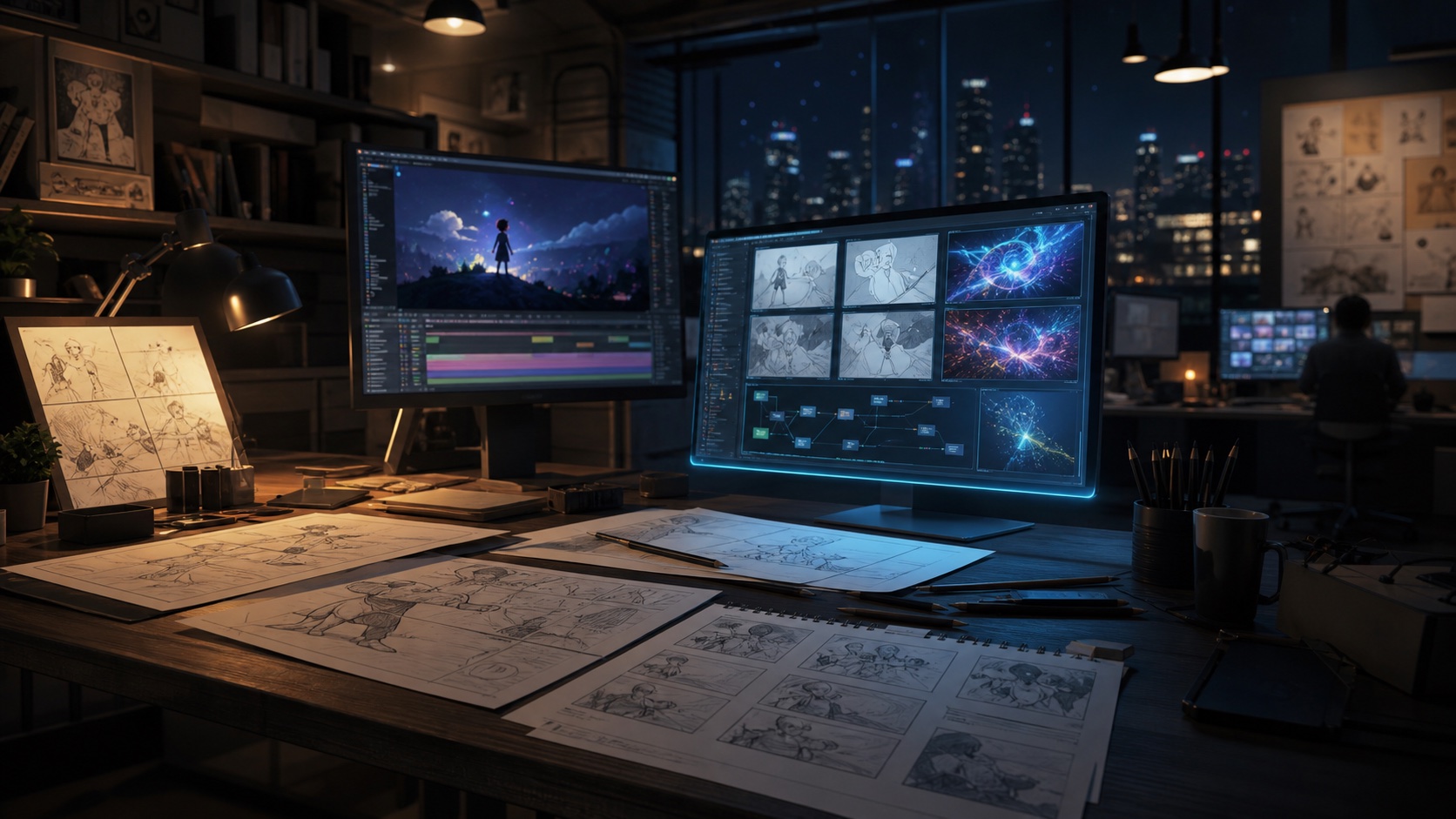
The tool behind it is Project Nara, Amazon MGM's AI production platform built on AWS. The reporting describes a collaborative system for generating video, making edits, giving feedback, tracking progress, and plugging AI agents into tools such as Maya, Blender, Nuke, Unreal Engine, and Adobe software. That matters because this is not being framed as a toy. It is being framed as studio infrastructure.
Which is why the reaction was so sharp. If this had been one weird short uploaded to the internet, people would have argued for a day and moved on. But Prime Video greenlighting AI-assisted animation changes the weight of it. The question stops being 'can a model make a frame?' and becomes 'who gets to industrialise this, whose work is inside it, and who gets pushed out when it starts to scale?'
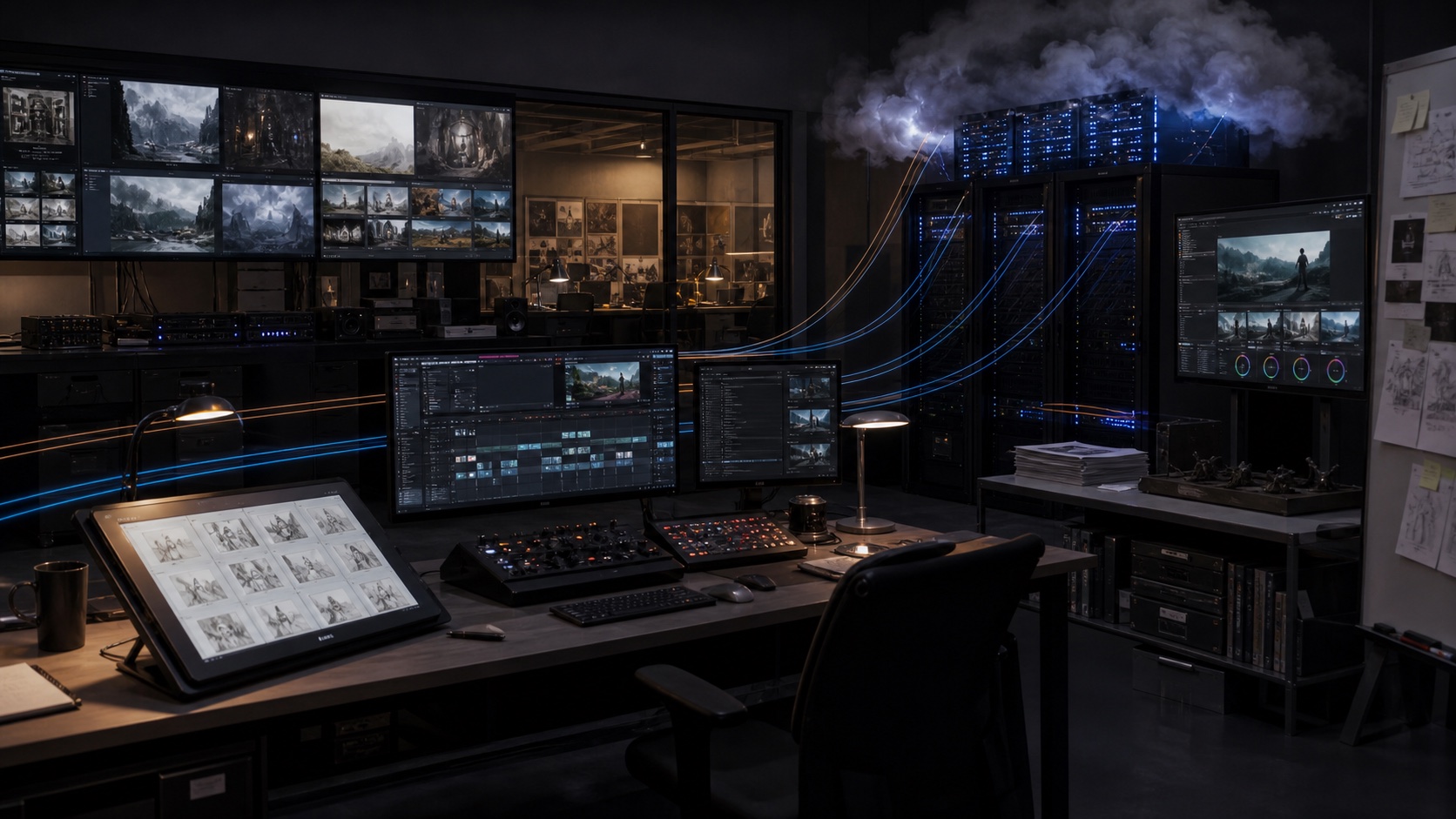
The backlash arrived before the dust had time to settle
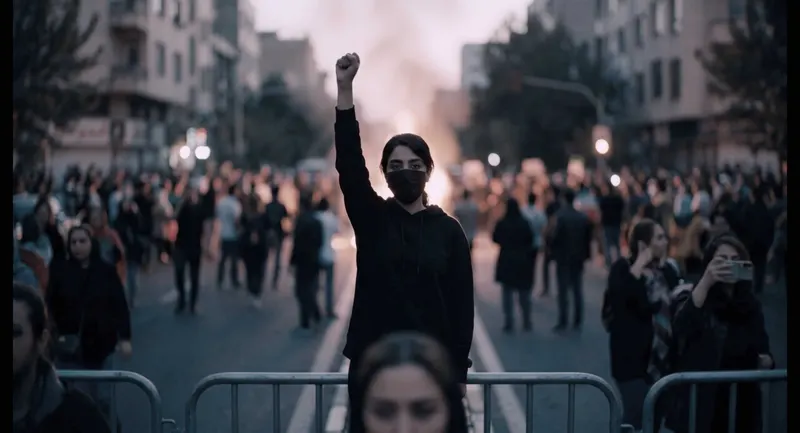
The first wave of criticism was predictable, but that does not make it shallow. Animation is already a pressure cooker: long hours, unstable employment, shrinking budgets, outsourcing anxiety, cancelled shows, and a constant need to prove that craft has commercial value. Drop generative AI into that environment and the room does not hear 'empowerment'. It hears 'replacement', even when the press quote says the opposite.
This is the problem with corporate AI language. Words like human-centric, creator-first, empowering, and transformative are designed to calm the room, but they often make artists more suspicious because the power relationship has not changed. The studio owns the platform. The platform owns the workflow. The creator gets access, maybe funding, and a future premiere date. The labour force gets a reassurance line and a reason to update LinkedIn.
The backlash was not just anti-technology. It was anti-vagueness. What data trained the tools? What happens to concept art, voice performances, character designs, edits, and rejected passes? Who is credited for style? Who gets residual value if an AI-assisted workflow keeps learning from the work? The pitch was about access. The response was about trust.
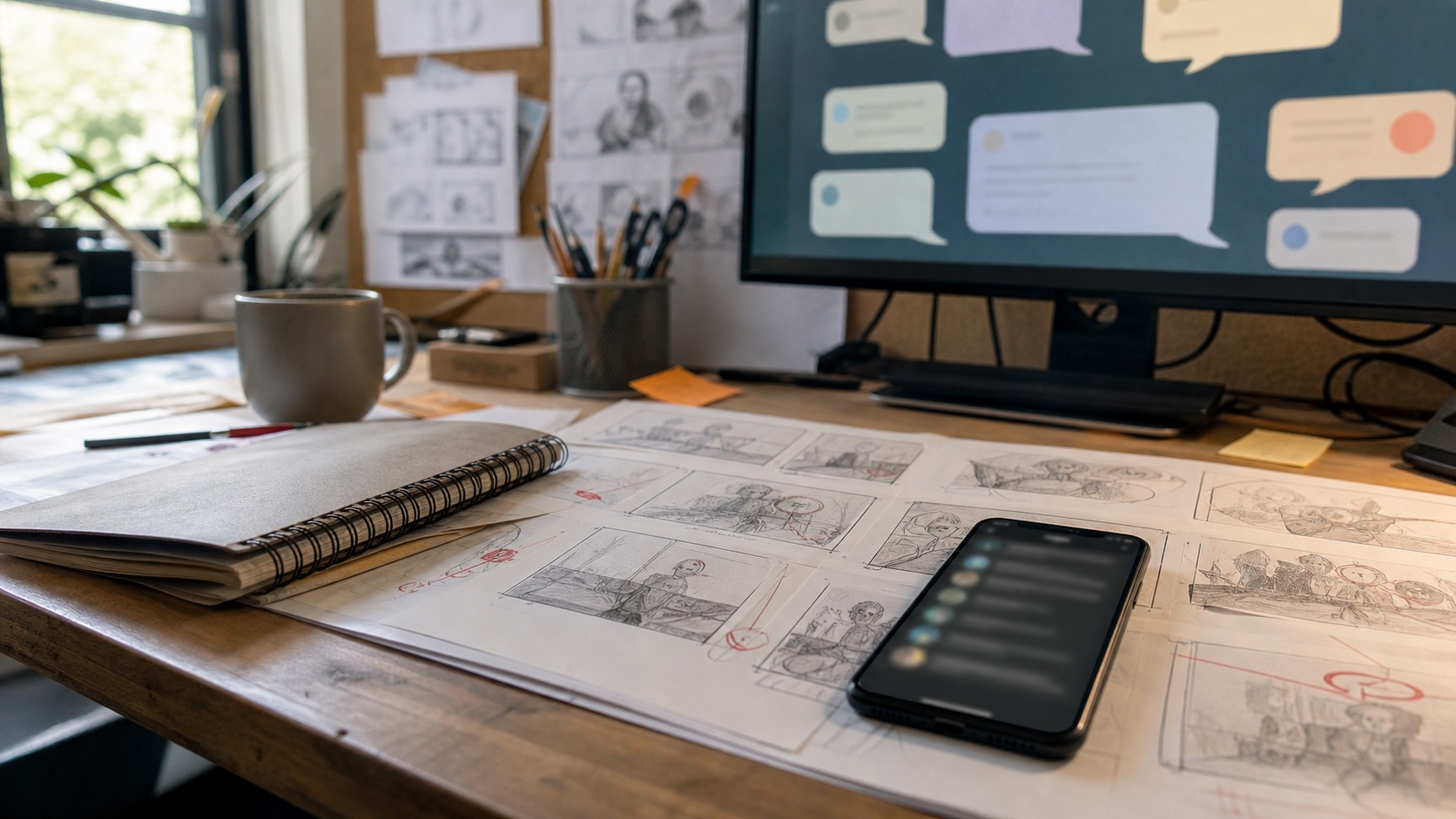
Cupcake & Friends turned the rights question into the whole story
The most combustible part of the announcement was 'Cupcake & Friends'. On paper, it sounds like exactly the kind of cheerful kids' property a streamer might want to develop quickly. In practice, it ran straight into a creator dispute around The Good Advice Cupcake, the character created by Loryn Brantz while at BuzzFeed.
Brantz publicly objected to BuzzFeed and Amazon moving ahead without her creative involvement. C21Media, Creative Bloq, and others reported her criticism of the project and her view that a character rooted in her own voice had been handed into an AI production pipeline. BuzzFeed's position, as reported elsewhere, is that it has the right to develop the IP and would have liked her to be involved. That legal distinction might matter in a contract. It does not solve the cultural problem.
This is where AI makes an old media issue feel newly radioactive. Companies have always owned things that individual artists made inside employment structures. That is not new. But when the next life of that character is explicitly AI-assisted, the creator's absence becomes harder for audiences to ignore. It turns a rights dispute into a moral image: the person who gave the character its soul watching the machine version leave the building.
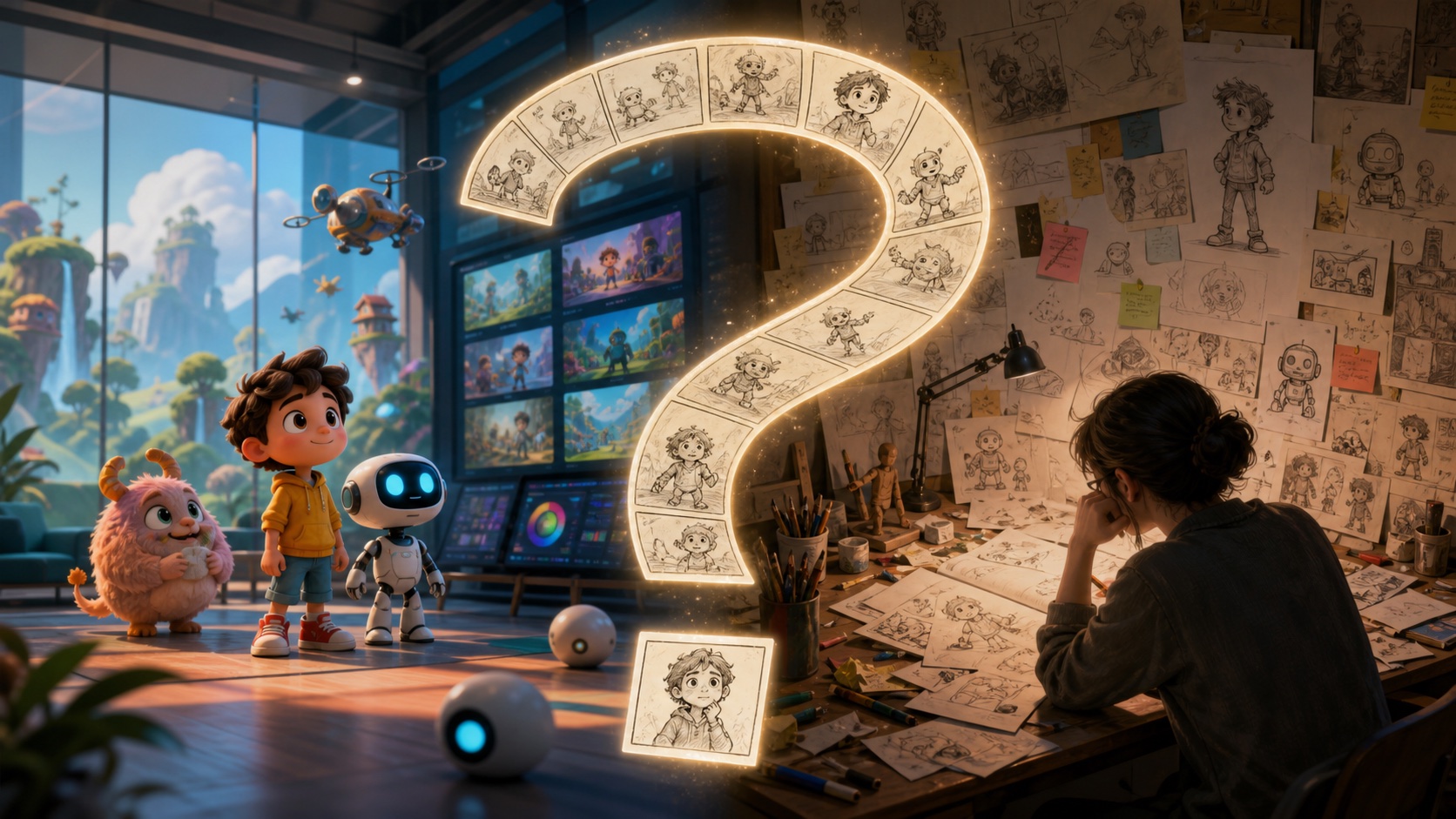
Then Jorge Gutierrez dropped out
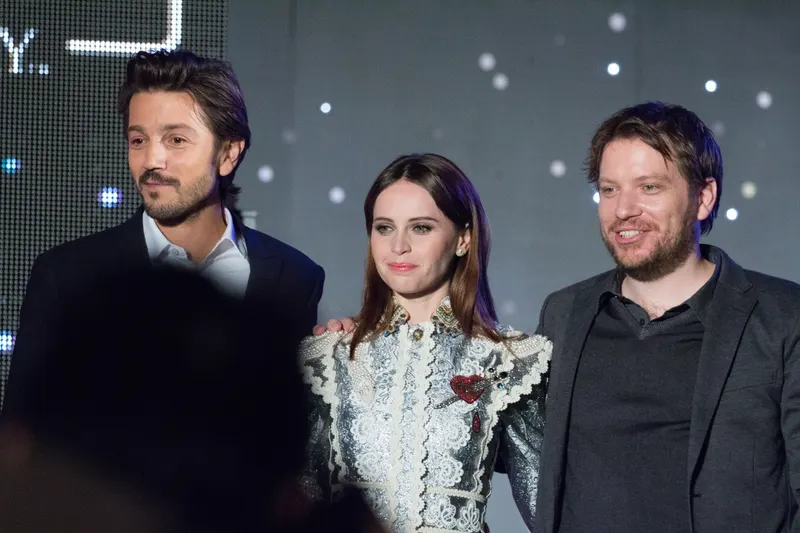
The cleanest sign that this launch had become something bigger than a tech rollout was Jorge R. Gutierrez stepping away from 'Punky Duck'. Gutierrez is not a faceless tech founder trying to disrupt animation from the outside. He is the filmmaker behind 'The Book of Life', 'El Tigre', and 'Maya and the Three'. His involvement gave Amazon's slate credibility because he is a real animation voice with taste, history, and an audience that cares.
That is also why the reaction hit so hard. If someone with that level of craft becomes the front edge of an AI animation programme, critics worry that the studio gets cultural cover. It becomes easier to say: look, this is artist-led. Look, the people who understand animation are coming with us. But public trust does not move that simply. A respected artist can make the experiment more interesting and more alarming at the same time.
By May 29, Cartoon Brew and TheWrap were reporting that Gutierrez had decided to drop out of Amazon's AI programme and would not make the 'Punky Duck' series. That does not end the AI animation story. It makes the story clearer. The first major signal from Amazon's fund was not a trailer, a release date, or a hit show. It was a creator retreating after the room told him the cost was too high.
The good version of this is still worth saying out loud
Here is the awkward bit: AI-assisted animation is not automatically a bad idea. Used properly, it could help small teams explore worlds faster, test visual language before spending serious money, build proof-of-concept material, iterate layouts, rough out previs, handle boring versioning, localise assets, and make pitches more legible to people who control budgets.
That can matter for filmmakers who never get through the traditional gate. Animation development can be punishingly slow and expensive. If a creator can use AI to prove tone, rhythm, character relationships, colour language, camera movement, or a whole visual world before a studio meeting, that may open doors that were previously locked. There is a real version of this where AI expands who gets to make things.
It could also be useful inside established production if the boundaries are clear. Generate rough boards, not final authorship. Explore lighting passes, do not steal a living artist's style. Automate admin, not taste. Use models to widen options, not to launder other people's work. Keep actors, writers, designers, editors, animators, directors, and supervisors visibly in the loop. Make the tool boring enough that the work can be interesting.
The bad version is not subtle either
The bad version is a content factory with softer language. It takes creator-originated IP, feeds it through a platform, hires fewer people, moves faster, calls the result human-centric, and asks the audience to be grateful for more supply. That is the nightmare artists are reacting to, and it is not irrational.
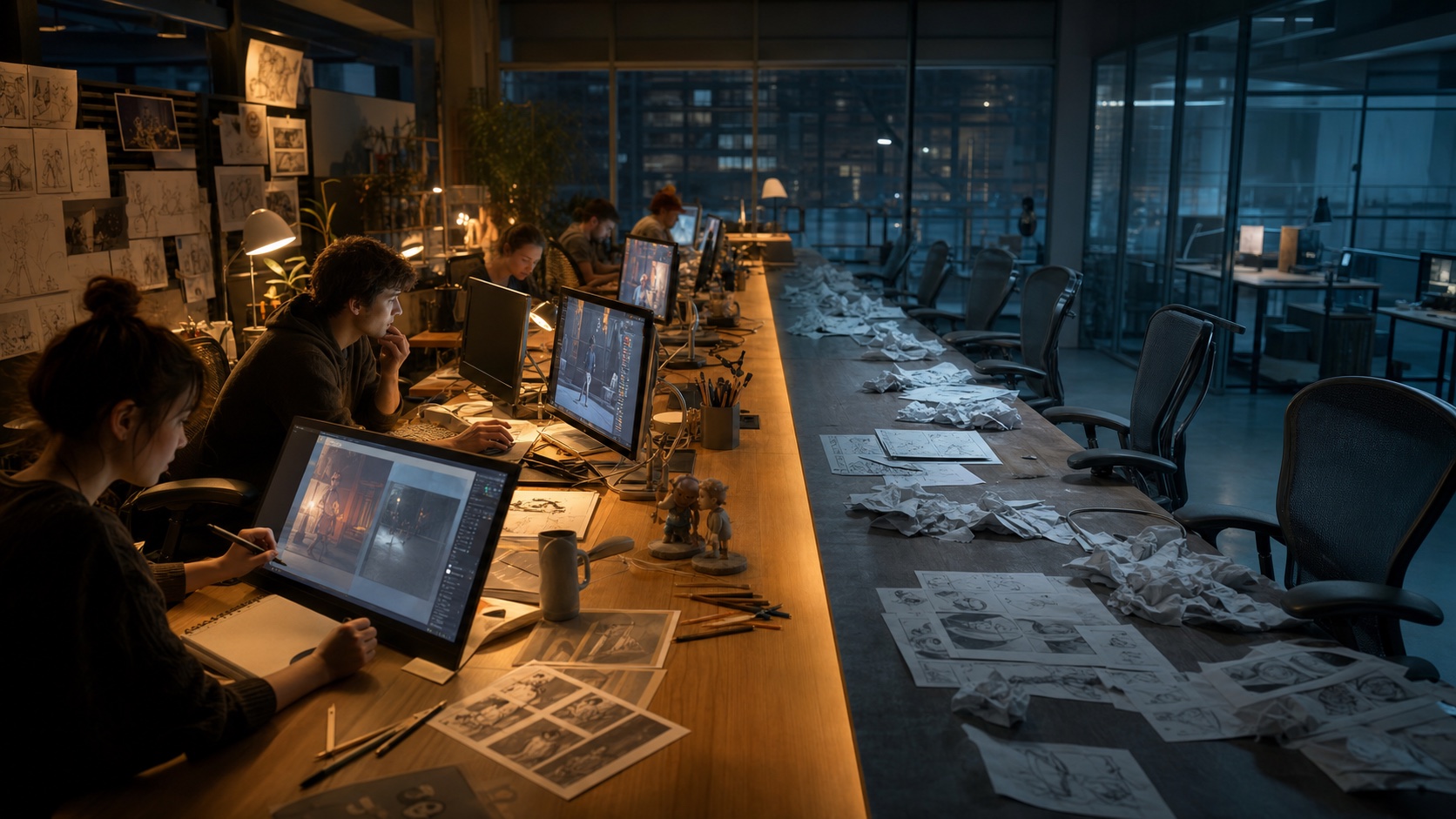
Animation is especially vulnerable because so much of the work can be misunderstood as style. Executives see colourful characters and assume the magic is the finish. Artists know the magic is in the hundreds of decisions beneath it: silhouette, timing, appeal, pose, cut, negative space, performance, restraint, rhythm, and the impossible-to-measure thing that makes one drawing feel alive and another feel dead.
AI can produce surface fluency before it earns trust. That is dangerous because streaming platforms are already comfortable with adequate. Adequate fills rows. Adequate keeps children watching. Adequate tests well enough. Adequate looks fine in a thumbnail. If AI animation becomes a way to scale adequate, the industry will not collapse overnight. It will just get a little flatter every quarter.
The K-pop comparison shows the taste problem
Creative Bloq framed part of the reaction around 'Love, Diana Music Hunters', noting how quickly people compared the idea to the larger pop-cultural lane around K-pop fantasy animation. That might sound like fan chatter, but it points at a real creative problem. If the first AI-assisted slate immediately reads as derivative, audiences will not hear 'new production method'. They will hear 'content that was reverse-engineered from what already worked'.
This is where AI can become painfully revealing. A human-made derivative project can still carry voice, taste, weirdness, timing, cultural specificity, or emotional memory. An AI-assisted derivative project has less room to hide because the suspicion is already baked in. People look at it and ask: did anyone need to make this, or did the pipeline need an example?
That is brutal, but useful. AI raises the bar for intent. If a studio wants to use these tools publicly, the creative idea has to be stronger, not weaker. It has to feel more authored, not less. Otherwise the technology becomes an explanation for why the work feels like a mood board arguing with a spreadsheet.
The labour question is bigger than one slate
The most honest thing Amazon can do now is stop pretending the fear is abstract. Animation workers are not anxious because they failed to understand the tool. They are anxious because they understand the economics around the tool. If production gets faster and cheaper, the benefit does not automatically flow to artists. Historically, it flows upward first.
Variety AU reported Amazon saying these AI-enabled projects still use human actors and voice actors. That is important. It is also not enough. Voice actors are one part of the ecosystem. What about storyboard artists, background painters, character designers, animators, compositors, editors, revisionists, assistants, coordinators, and the juniors who learn by doing the supposedly inefficient work that AI might now compress?
This is the part that connects directly to the wider film and TV conversation. Technology can remove friction, but friction is often where training, taste, and craft develop. If every entry-level task becomes an automation candidate, the industry risks cutting away the apprenticeship layer and then wondering why the next generation has less feel for the work.
So what should a responsible AI animation launch look like?
First, rights and consent have to be visible. Not buried in platform language. Visible. If a character, style, voice, performance, or archive informs the work, the audience should know there is permission, credit, and compensation behind it. The absence of visible consent is now a creative defect.
Second, the human team has to be legible. Not just one famous name at the top of a press release. Show the writers, designers, animators, directors, editors, actors, and supervisors. Explain what the AI did and what it did not do. The more secretive the workflow, the more people will assume the worst.
Third, the work has to justify the method. If AI is being used to make something that could not otherwise exist, say that. If it is being used to give an independent creator a shot, prove it. If it is being used to reduce cost, be honest about who benefits. The audience is not stupid. Artists definitely are not.
The line is not the software. It is trust.
This is why Amazon's announcement is such a useful industry stress test. The tools are here. The production platforms are forming. The studios are experimenting. The backlash is not going to make AI disappear from animation, just as backlash has not made AI disappear from editing, dubbing, development, marketing, or previs.
But the first big public AI animation slate has already shown the trap. You cannot bolt a human-centred press release onto a system people do not trust and expect the creative community to clap. The trust has to be built into the rights, the workflow, the credits, the staffing, the economics, and the final work.
The good version of AI animation could help more people make stranger things. The bad version will help large platforms make more average things with fewer people and better excuses. That is the fight. Not whether the machine can draw a duck, a cupcake, or a pop group. Whether the people around the machine still matter when the output starts to look useful.
Build
Need a repeatable AI production workflow?
Mike designs the tools, review loops, and publishing systems that make it usable.
Launching a business of your own? Founder Launch OS connects the brand, offer, website and visual campaign in one guided Codex or Claude Code workspace.
Keep reading