Signal 1: AI ads now need an operational disclosure trail
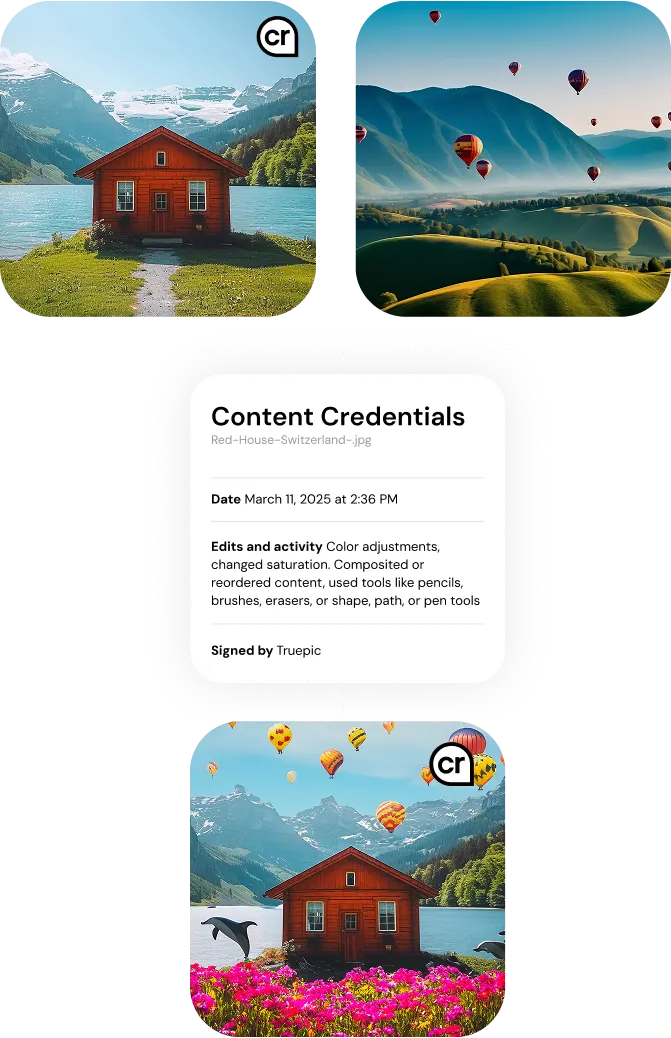
On July 9, 2026, Google announced a wider AI transparency layer for ads across Search, YouTube, and Discover. The practical change is a new "How this ad was made" panel in My Ad Center that can show whether generative AI created or edited the ad. Google says ads made with its own generative advertising tools will receive disclosures automatically, while advertisers using other AI tools can manually indicate AI use.
Why it matters: disclosure is becoming part of campaign infrastructure, not a final legal note. A brand can now produce AI-assisted variants quickly, but the same system has to know which assets used AI, which tool made them, whether the claim is automatic or self-declared, and where local rules may surface a label directly on the ad.
What to do with it: build an AI-use field into the creative approval sheet before trafficking. Agencies and founders should track source tool, human edit status, claim substantiation, talent/likeness exposure, and final disclosure language for every variant. Production teams should treat the ad account as one more delivery surface with metadata requirements, not just a media buying endpoint.
Signal 2: Multi-agent work is becoming a budget choice
On July 9, 2026, OpenAI launched GPT-5.6 and framed the release around performance per dollar, programmatic tool calling, and a new ultra mode that coordinates multiple agents in parallel. The interesting part for production and product teams is not the leaderboard language. It is the control surface: smaller model tiers for routine work, max effort for deeper checking, and multi-agent execution for jobs where time-to-result is worth the extra compute.
Anthropic's June 30, 2026 Claude Sonnet 5 launch points in the same direction from a different vendor. Sonnet 5 is positioned as a more agentic, cost-efficient execution layer for tool use, coding, knowledge work, and browser/computer tasks. The market signal is convergence: agentic capability is no longer only a frontier-model showcase. It is being packaged as a tunable operating cost.
What to do with it: stop asking for one universal agent. Map work into lanes. Use cheaper, faster agents for collection, tagging, formatting, and first-pass QA; reserve higher-effort or parallel agents for jobs with ambiguous requirements, client-facing artifacts, financial stakes, code changes, or legal/rights review. A studio, agency, or founder should know which agent lane produced the work before signing it off.
Signal 3: Voice interfaces are moving toward production coordination
On July 8, 2026, OpenAI introduced GPT-Live, a full-duplex voice model for ChatGPT Voice that can listen and speak at the same time, maintain conversational flow, and delegate more complex work to a frontier model in the background. OpenAI also said the models are rolling out globally in ChatGPT, with API access planned later.
Why it matters: live voice is not just a friendlier chatbot skin. For creative operations, it suggests a near-term interface for briefing, review, on-set logging, edit notes, client intake, support calls, and hands-busy production work. The important detail is background delegation: the voice layer can stay conversational while heavier reasoning or retrieval happens elsewhere.
What to do with it: design voice workflows around confirmation and audit. A useful production voice agent should repeat decisions back, write structured notes, route tasks to the right system, and mark uncertainty. Do not let voice become an undocumented side channel for approvals. If a producer approves a change by voice, the system should create a reviewable artifact immediately.
Signal 4: Image-to-video pipelines are being priced for iteration
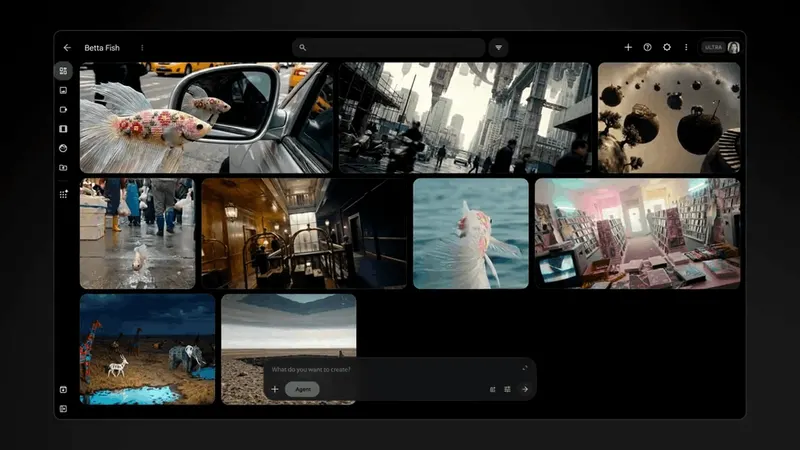
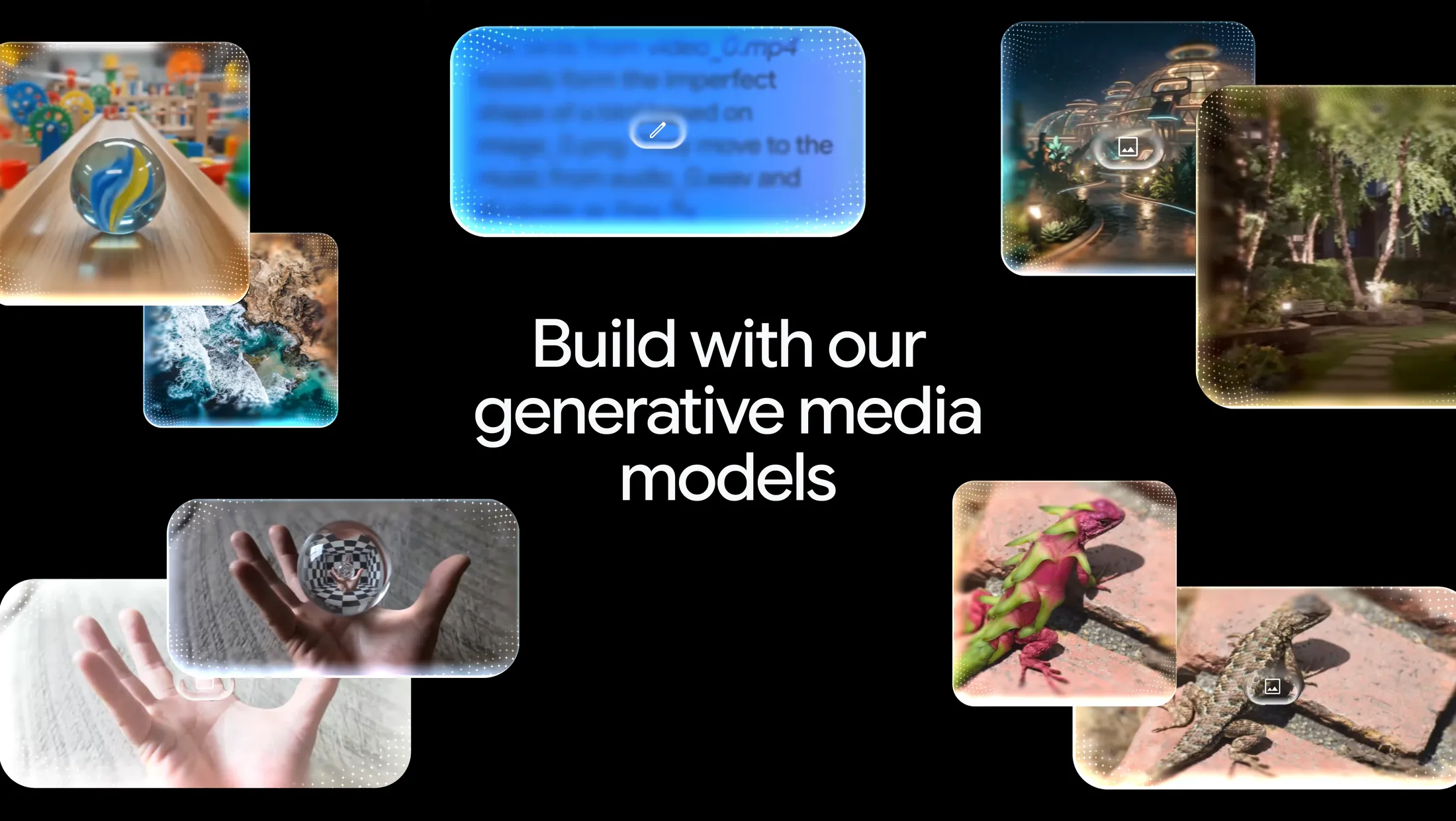
On June 30, 2026, Google announced Nano Banana 2 Lite and Gemini Omni Flash for developers. Nano Banana 2 Lite is positioned as a fast, cost-efficient image model for high-throughput ideation, while Gemini Omni Flash brings video generation and conversational editing to Google AI Studio and the Gemini API. Google says Omni Flash can combine text, image, and video inputs, supports 10-second generations for now, and is priced at $0.10 per second of video output.
Why it matters: the economics are shifting toward systematic visual iteration. A team can generate images cheaply, pass selected frames into video, edit through conversation, and keep multi-turn session history. That is not a replacement for production taste, but it is a real change in how quickly a brand or studio can test hooks, art direction, scene logic, and motion before committing spend.
What to do with it: separate drafting from approval. Use low-cost image passes to explore routes, video passes to test motion and timing, and a human review gate before any asset enters paid media, pitch decks, investor updates, or client delivery. Track model, prompt family, reference assets, cost, and failure notes so the workflow improves instead of becoming a folder of lucky renders.
Signal 5: Marketing teams need a generative production map
On July 2, 2026, Runway published a functional map of where generative AI pays off in marketing: content and copy, creative and design, video production, performance advertising, social and community, PR and communications, and marketing operations. The useful part is the framing. The teams getting value are not treating AI as autopilot. They are using it where production volume is the bottleneck and keeping human judgment on angle, brand, and oversight.
Why it matters: this is where a lot of AI implementation quietly succeeds or fails. A brand does not need a vague AI transformation programme to get commercial value. It needs a list of repeatable asset jobs, a review owner, a performance loop, and a rule for what never ships without a human decision.
What to do with it: make a generative production map for the next campaign. Pick three repeatable jobs, such as social cutdowns, ad variants, and landing-page visuals. Define the input pack, model/tool, reviewer, approval rule, performance metric, and retirement rule for each one. The advantage is not that AI makes more things. The advantage is that the team learns faster from the things it makes.

Build
Need a repeatable AI production workflow?
Mike designs the tools, review loops, and publishing systems that make it usable.
Launching a business of your own? Founder Launch OS connects the brand, offer, website and visual campaign in one guided Codex or Claude Code workspace.
Keep reading