The week in one production decision
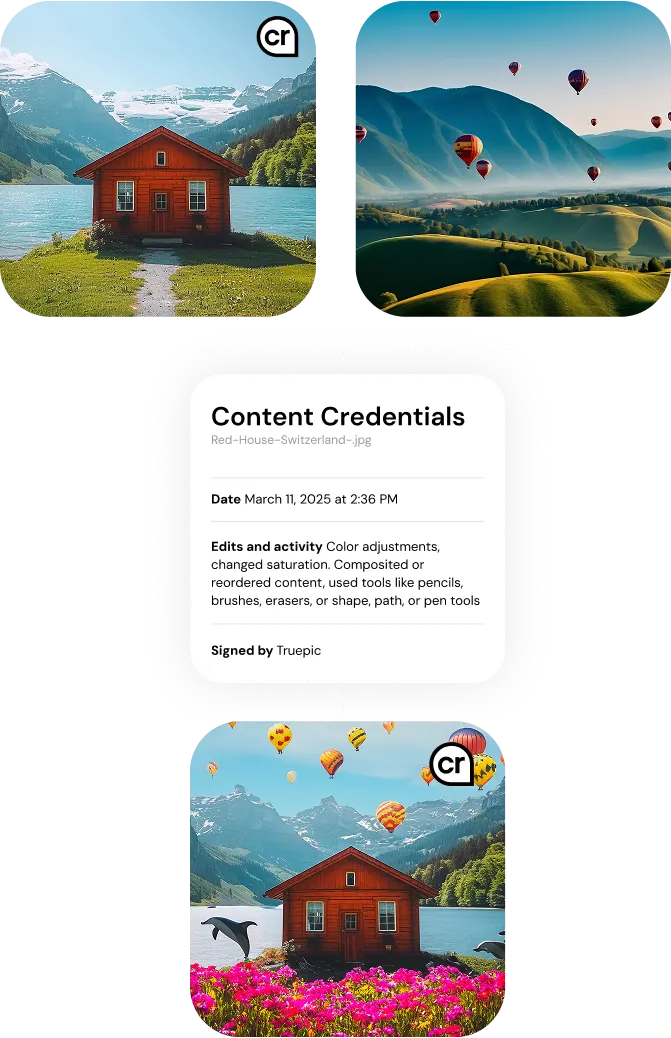
The four signals are connected by a practical shift. Creative AI is being judged less as a single output and more as a system of contributions, permissions, versions and sources. A track must show enough human authorship, an agent needs a reproducible configuration, a design connector needs governed access, and a credible-looking publication needs verifiable provenance.
For a production team, brand, agency, studio or founder, the decision is to make that evidence part of the work rather than an explanation assembled after launch. Define what a person contributed, which agent version acted, what each integration could reach and which original sources support the final claim. The record should travel with the asset through delivery, distribution and reuse.
Signal 1 — August 25: AI music eligibility now depends on human contribution
ARIA confirmed on August 25 that wholly AI-generated tracks will not be eligible for its charts, while recordings using generative AI in a supporting role can remain eligible when they are substantially human made and raise no stream- or chart-manipulation concern. The updated code applies from the chart dated August 31 and uses the global music industry's distinction between AI-generated and AI-assisted recordings. ARIA can exclude recordings prospectively or retrospectively, adjust positions and withdraw accreditations, with a disputes route for artists to supply evidence.
Why it matters: disclosure is becoming tied to commercial eligibility, not just audience etiquette. A label, chart, award body, broadcaster or distributor may need to decide whether the human contribution is substantial enough for a particular route. That decision cannot be reconstructed reliably from the mastered audio alone, especially when generation, stem replacement, synthetic performance, mixing and conventional post are combined.
What to do with it: add a contribution sheet to every AI-assisted music or sound deliverable. Record the writers, performers, producers and engineers; the generated elements and models; the source and permission for any voice or musical reference; the retained human performances; and who approved the final classification. Keep session files, stems and meaningful version history. Before distribution, check each platform, chart, award and campaign licence separately rather than treating one metadata field as universal clearance.
Signal 2 — August 24: Voice agents are becoming versioned production assets
ElevenLabs released version 1.0 of its command-line interface on August 24. It can store agent, tool and test configurations as local files, synchronize them, manage branches and run tests. The same release made Procedures generally available, separating adaptable instructions from structured steps, and added conversation triage tickets, context-usage events and filters for invalid tool calls. Taken together, these changes move a voice agent away from a dashboard-only setup and towards an artefact a team can review, test and promote between environments.
Why it matters: the most important part of a production voice agent is rarely the voice alone. Its instructions, tool permissions, escalation rules, knowledge source, opening message and failure behaviour determine what customers experience. If those settings live only in an interface, teams struggle to reproduce a known-good state, compare a change or explain which version handled a problematic call.
What to do with it: keep agent configuration beside the product or campaign code, with separate development and production environments. Give each release an owner, change summary, test set and rollback point. Test interruptions, ambiguous requests, unavailable tools, consent language and handoff to a person—not only the ideal script. Route failed turns into an accountable triage queue, and promote a version only when the transcript evidence shows the procedure behaved as intended.
Signal 3 — August 24–26: Design agents are moving under managed identity
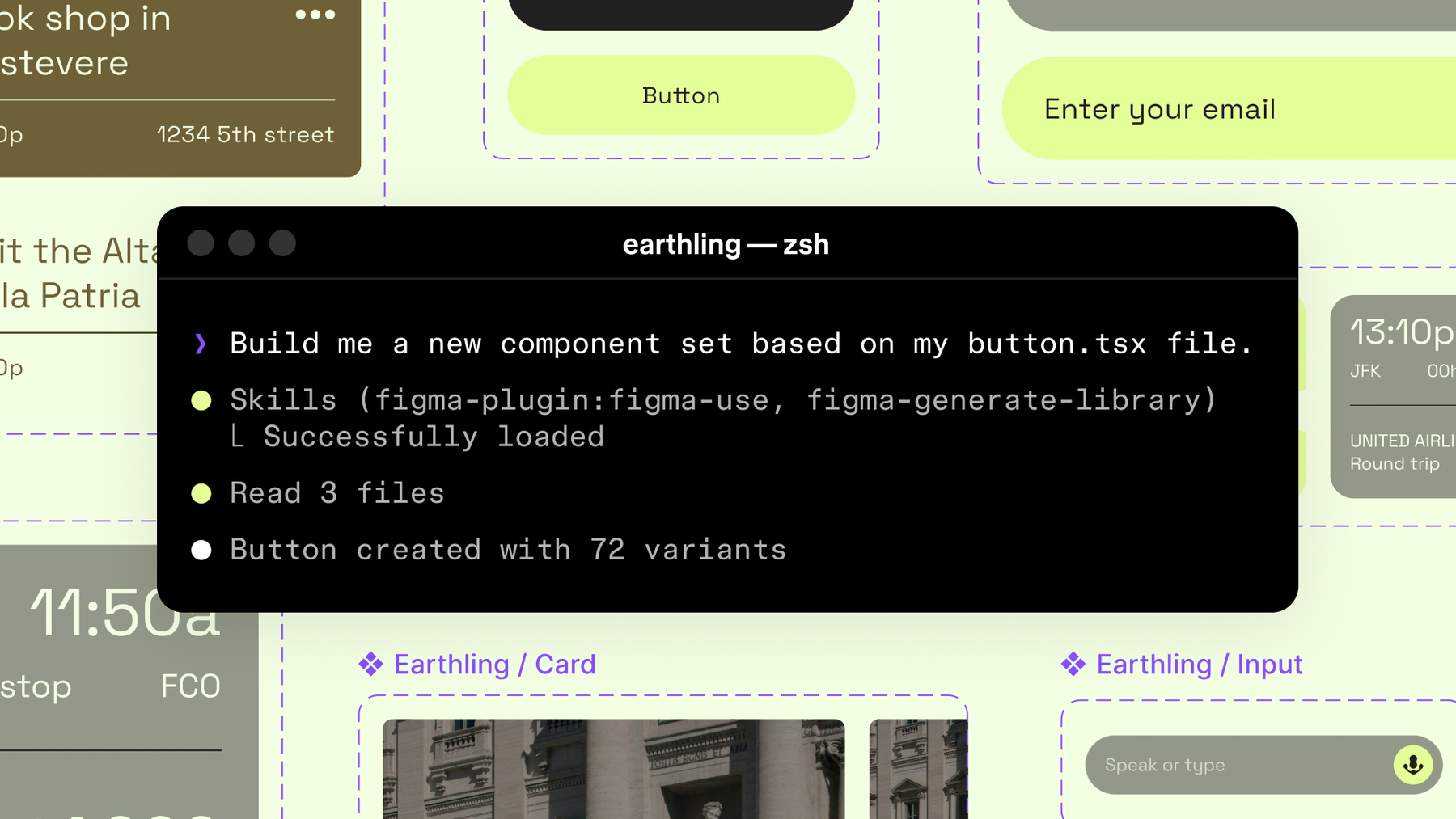
Figma made enterprise-managed authorization for its MCP server generally available on August 24, allowing administrators on Enterprise and Organization plans to manage connections between Figma and supported AI agents through an identity provider instead of relying on repeated individual consent. Two days later, it added the option to keep the agent chat panel in a separate desktop window while designers work across tools and tabs. One update concerns control; the other makes the agent a more persistent part of the working surface.
Why it matters: creative-agent adoption often begins as a personal shortcut, then quietly becomes shared infrastructure. A connector that can read design context, brand libraries or component systems needs the same joiner, mover and leaver discipline as any other production service. At the same time, a permanently visible assistant can influence more decisions simply because it remains present. Convenience increases both use and the need for explicit boundaries.
What to do with it: inventory every design-to-agent connection by workspace, identity provider, user group, data class and permitted action. Approve read and write access separately. Use a test file containing representative but non-confidential components before connecting a live client library. Retain a human review step for brand assets, accessibility, claims and publishable exports. When somebody changes role or leaves a project, remove the group entitlement centrally and verify that personal tokens or duplicate connectors do not preserve access.
Signal 4 — August 25: Synthetic authority is a larger risk than synthetic copy
OpenAI reported on August 25 that it had banned ChatGPT accounts linked to a covert influence operation promoting a purported expert institute. The report says the AI-generated material was mainly promotional social posts, while the supporting website used copied and sometimes misattributed academic work, invented institutional credibility and a proprietary-looking index. OpenAI assessed the immediate reach as limited, but argued that the infrastructure could have scaled and that AI was one supporting layer in a broader attempt to manufacture authority.
Why it matters: teams are learning to detect the surface signs of AI copy, but a polished article can be factually sourced and still be deceptively attributed. A logo, expert page, index, conference appearance or network of social accounts can make weak provenance feel institutional. Brands and productions using agents for research are exposed twice: they can cite a manufactured authority, and they can amplify it across decks, treatments, scripts, websites and press material before a person checks the original source.
What to do with it: require research agents to preserve the original publication, named author, publication date and evidence for institutional affiliation. For statistics or indices, capture the methodology, sample and primary dataset; if those are unavailable, label the claim unverified and do not build creative strategy around it. Run a reverse-attribution check on expert quotes and suspiciously polished articles. Review coordinated amplification separately from content quality. A believable page is an interface, not proof of authority.
Make the evidence travel with the work
Turn the four signals into a compact delivery pack: a human contribution sheet for generated media, a version and test record for each agent, an access register for every creative connector, and a source ledger for research entering the brief. Assign one owner to each record and define the point at which it must be complete.
Then test the boundaries before the next public release. Ask whether a disputed track can show its human work, whether a voice agent can be rolled back, whether a departing collaborator loses design access, and whether a surprising statistic can be traced to a real author and primary source. If the answer depends on somebody remembering what happened, the system is not ready to scale.
This week's signal is not that creative technology needs more paperwork. It is that evidence is becoming part of the product. Charts, customers, administrators and audiences are beginning to ask different versions of the same question: who or what made this, what was allowed to act, and can the team prove the answer?
Build
Need a repeatable AI production workflow?
Mike designs the tools, review loops, and publishing systems that make it usable.
Launching a business of your own? Founder Launch OS connects the brand, offer, website and visual campaign in one guided Codex or Claude Code workspace.
Keep reading