An angle label is not a camera position
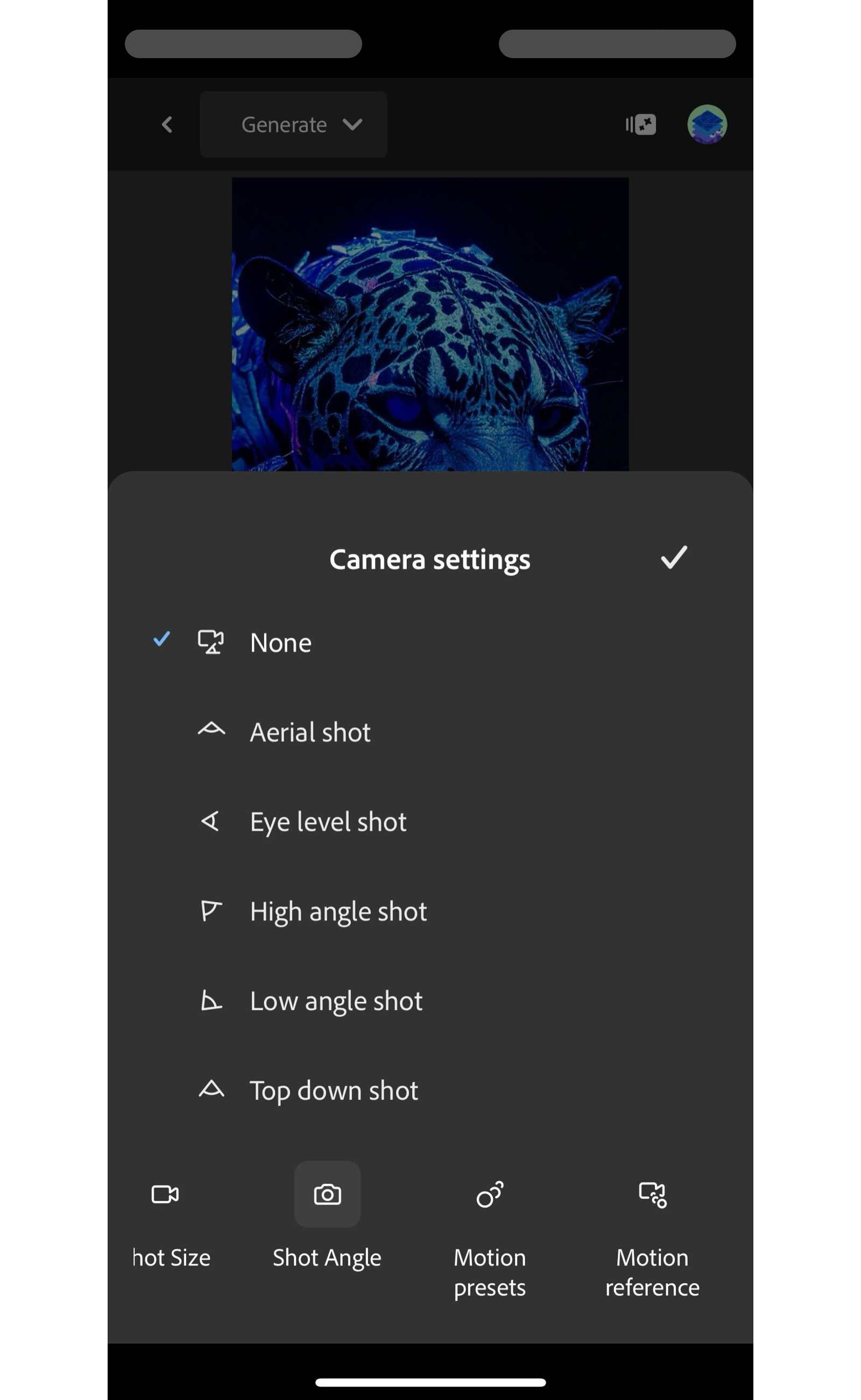
Adobe Firefly currently offers aerial, eye-level, high-angle, low-angle and top-down controls. Runway's camera library defines a similar vocabulary, while Google's Veo guide asks whether the filmmaker wants a low-angle view as part of shot framing. Those controls are useful because they expose a cinematography decision in the interface. They still compress several decisions into one label.
A camera can be physically high and remain level, looking across the room from a balcony. It can sit at waist height and tilt up. It can be close beneath a face, or far below a building with most of the frame occupied by sky. All may be described as low or high, yet the horizon, foreground scale, ceiling or floor, facial rendering and emotional distance will be different.
The craft question is therefore not simply ‘high or low?’ It is: where does the audience seem to stand, which way is the camera looking, and what spatial evidence makes that viewpoint legible? If those relationships are not specified, the model can deliver the requested adjective while inventing the shot.
Write an angle card with six visible relationships
Before generating, record six fields: camera height relative to the subject; optical-axis pitch; horizon height; eyeline relationship; treatment of architectural verticals; and the amount of floor, ceiling or sky that should remain visible. Add the intended dramatic function in a separate sentence. This keeps the physical instruction distinct from the interpretation.
For example: camera at seated shoulder height, twenty degrees below the standing performer’s eyes; optical axis pitched slightly upward; horizon below the performer’s chest; vertical door frames converge gently toward the top; little floor and a band of ceiling remain visible; the audience should feel that the performer has taken control of the room. The final clause explains why. The preceding clauses describe what can be checked.
Do not rely on power language alone. Low angles can make someone imposing, but they can also make a child curious, a ceiling oppressive or a handheld camera vulnerable on the floor. High angles can diminish a figure, reveal choreography or make a group feel organised. The ASC's camera-placement guidance connects position to story, but the meaning still comes from performance, lens, light, blocking, duration and the neighbouring shots.
Separate height from pitch before adding movement
Runway's terminology makes the mechanical distinction clear: a pedestal moves the camera vertically, while a tilt rotates it up or down from a fixed point. A crane or boom may combine vertical and horizontal travel. Those operations change the frame differently. Pedestalling up can reveal floor relationships while the horizon stays at a similar level; tilting down raises the horizon and changes how vertical lines converge; craning can alter height, distance and parallax together.
Write the invariant into the prompt. For a pedestal: camera rises one metre while remaining level, subject size changes minimally, horizon stays fixed, more of the floor is revealed. For a tilt: camera position remains fixed, optical axis rotates down, horizon climbs through frame, no translational parallax. For a crane: camera rises and retreats, foreground separates from the group, horizon settles in the upper third, movement ends level.
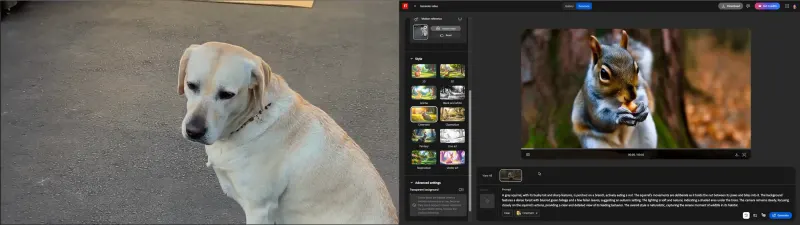
If the shot starts from an approved image, the frame already contains a camera-height claim. Runway's current Image to Video guide says the image carries composition while the text mainly directs motion. Do not ask the prompt to repair a low viewpoint that the source frame has encoded as eye level. Correct the still, or choose a generation mode that can rebuild the composition deliberately.
Use the horizon and verticals as evidence
The horizon is a practical witness to camera pitch. With a level camera, the horizon passes through the frame at camera height, regardless of whether the landscape rises or falls. Tilting changes its position and makes parallel verticals appear to converge. In an interior, door frames, window mullions, shelves and corners can stand in for a hidden horizon. They reveal whether the model has quietly tipped or rolled the camera.
Record one horizon rule for each setup family. A restrained dialogue scene might keep verticals upright and the implied horizon close to seated eye height. A threatening entrance may place the camera low, tip upward and allow the architecture to converge. A top-down insert removes the horizon altogether, but object edges and the direction of gravity still need to agree.
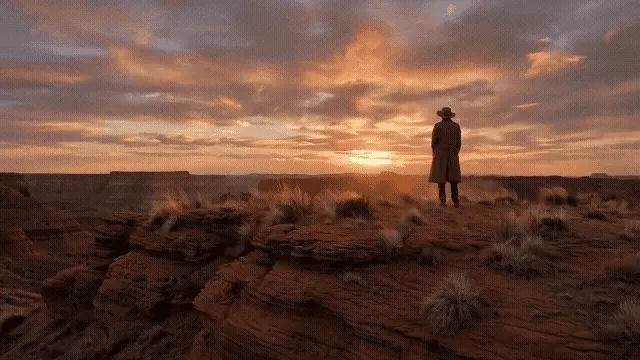
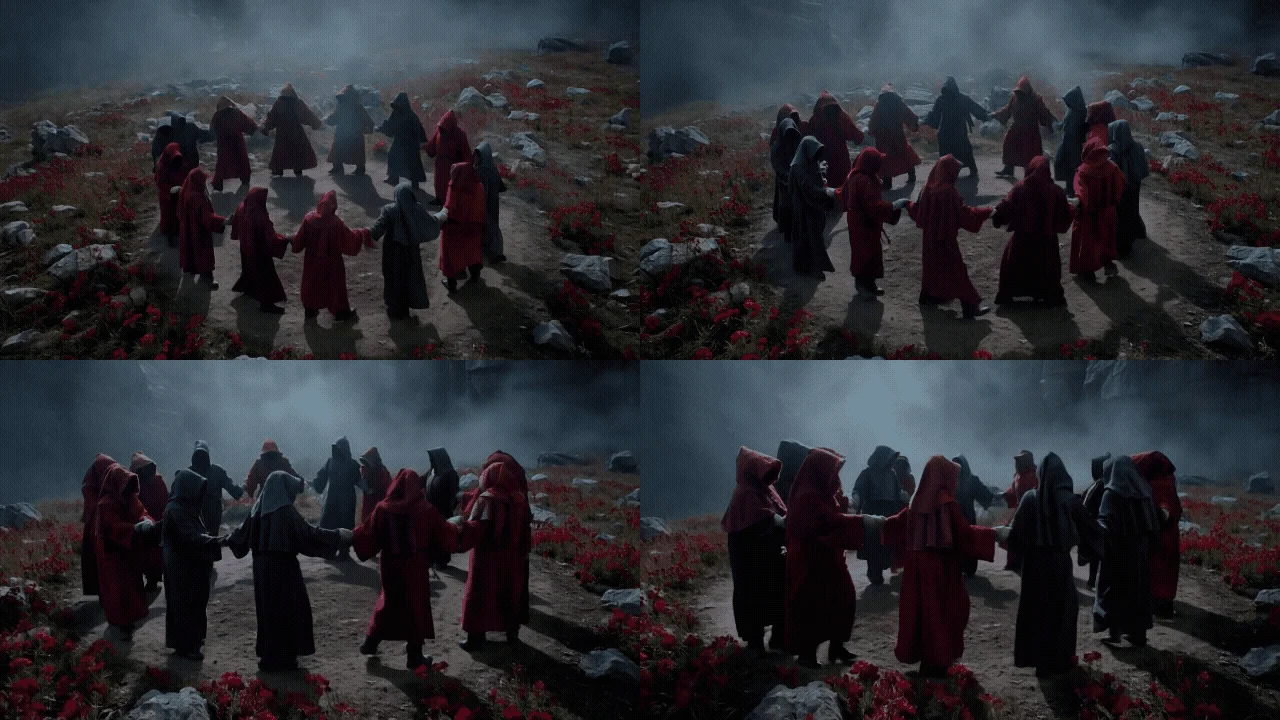
The four frames below come from Runway's official high-angle example. The group remains readable from above, but the scale of the figures and the amount of landscape change through the shot. A contact sheet makes that progression easier to judge than a single selected frame: is the changing height part of the intended move, or has the camera angle relaxed while the action continues?
Match eyeline height before matching the crop
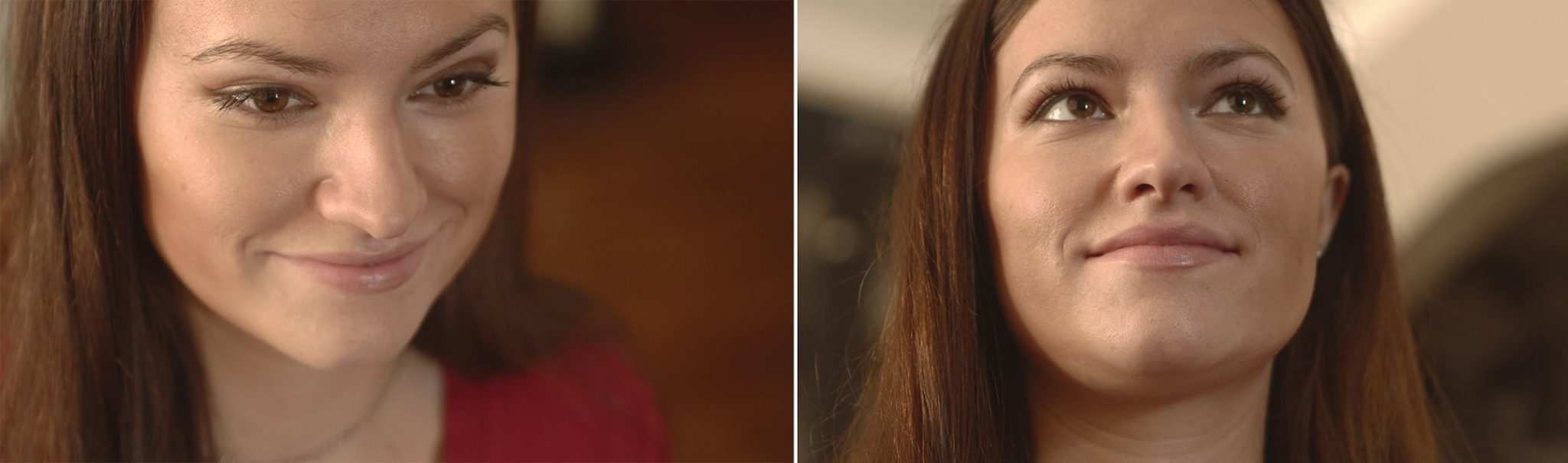
Two close-ups can have the same head size and still refuse to cut together. If one camera sits above the actor's eyes and the reverse sits below the other actor's chin, the scene gains an unplanned hierarchy. Background horizontals, visible ceiling, look room and the angle of each gaze will also disagree. This is a camera-height continuity problem, not a character-reference problem.
For opposing coverage, map the camera against both performers. Record height, distance off the line of action, eyeline offset and whether the optical axis is level. Complementary shots do not have to be mechanically identical, but a difference should express the scene. If the balance changes when one character stands, let the master or a visible camera move establish the new geometry before the close-up inherits it.
Test the coverage without sound. Cut master, single, reverse and insert at speed. Then freeze the cut point and compare the horizon proxy, eye height, verticals, headroom and floor-to-ceiling balance. The blocking map says where people are and where they look; the angle card says where the audience is allowed to stand while watching them.
Hold the angle through subject and camera motion
A convincing opening frame is not proof that the viewpoint survives. When a subject rises, approaches or grows within the frame, a model may recentre the composition by changing camera height or pitch. When the camera is meant to rise, it may instead enlarge the subject or tilt. Review the spatial operation across time rather than accepting the final crop.
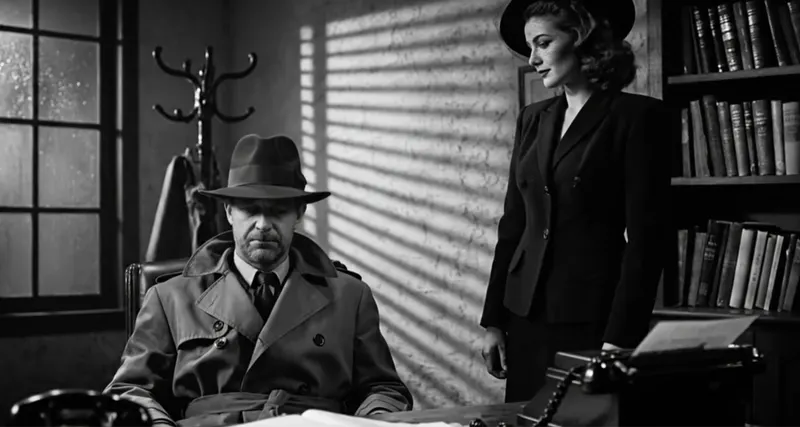
The Runway low-angle example below begins with the creature small against the dark space and ends with it dominating the frame. Track the visible underside, the direction of the gaze, the negative space and the rate at which the body expands. Those cues help separate subject motion, camera translation and a simple scale change—even when the prompt uses one broad angle label.
Use start, quarter, midpoint, three-quarter and end frames as a minimum contact sheet. Mark the horizon or its proxy, subject eye height, top and bottom of frame, and two foreground or background anchors. Then watch at delivery speed for an angle that floats, snaps level, rolls, or changes without parallax. Save the rejection reason against the shot card so the next attempt changes one variable.

Test one viewpoint across a controlled shot matrix
Build a small test before using the angle in a sequence. Keep character, action, location, lighting, duration, aspect ratio and lens family stable. Generate five versions: level at eye height; high camera kept level; same high position tilted down; low camera kept level; same low position tilted up. The matrix reveals whether the model distinguishes camera position from optical-axis direction.
Score observable outcomes rather than mood words: adherence to height; horizon position; vertical stability; subject size; floor, ceiling and sky balance; facial geometry; correct parallax; temporal drift; and whether a neighbouring shot can cut to it. Runway's prompting guidance recommends reinforcing a missed angle with natural language and changing one detail at a time. Preserve both the original and any enhanced prompt so the test remains attributable.
Repeat the matrix with an approved first frame if that is the production route. Some tools treat a frame, preset and text instruction as competing sources of composition. The winning workflow is not the one that produces the most dramatic low angle once. It is the one that preserves the chosen viewpoint when identity, performance and movement are introduced.
Buy repeatable viewpoint, not dramatic thumbnails
For client review, present the angle card, contact sheet and rough cut together. First inspect position: camera height, pitch and roll. Then inspect spatial evidence: horizon, verticals, foreground, floor or ceiling and parallax. Finally inspect story: does the viewpoint support the performance and remain motivated against the shots around it? Surface finish comes after those passes.
Track first-pass angle adherence, drift within the shot, attempts to an accepted take, repair time and the percentage of approved clips that survive the edit. Also record which controls came from interface presets, source frames, motion references or text. A platform may offer high and low angle buttons; production value depends on whether the team can translate those buttons into repeatable coverage.
The buyer implication follows the craft test. A generator should not be judged by the most imposing frame in its gallery. It should be judged by whether a cinematographer can place the audience at a deliberate height, hold that relationship through movement, repeat it after feedback and cut it into a scene without the room or the power balance quietly changing.
Build
Need a repeatable AI production workflow?
Mike designs the tools, review loops, and publishing systems that make it usable.
Launching a business of your own? Founder Launch OS connects the brand, offer, website and visual campaign in one guided Codex or Claude Code workspace.
Keep reading