The case is a greenlight story, not a speed story
In the 1990s, creative directors Hal Curtis and Chuck McBride developed a script about thrill-seekers who keep returning to the thing that has just injured them. It escalates through mountain accidents until several characters and a dog ride a snowcat into one last absurd risk. The idea was off-brief, expensive and treated as unproduceable, so it remained on the shelf for roughly three decades.
OneDay directors Bouha Kazmi and Samir Mallal revived it for Luma's Dream Brief. Luma's case study, published on 28 August 2026, says the finished film contains 85 shots, became one of the competition finalists and was submitted to Cannes Lions. The wider contest attracted nearly 400 ads from 58 countries and more than 100 agencies, according to LBBOnline. Luma sponsored 21 finalists as advertising for its own brand.
That context matters. This was not a conventional client buying a campaign against a measured business objective, and the case study does not publish the budget, schedule, number of generations, rejection rate or comparison with a practical/VFX bid. It proves that the script could become a finished 92-second film. It does not yet prove that the route was cheaper, faster or more effective than every alternative.
The production began before the model
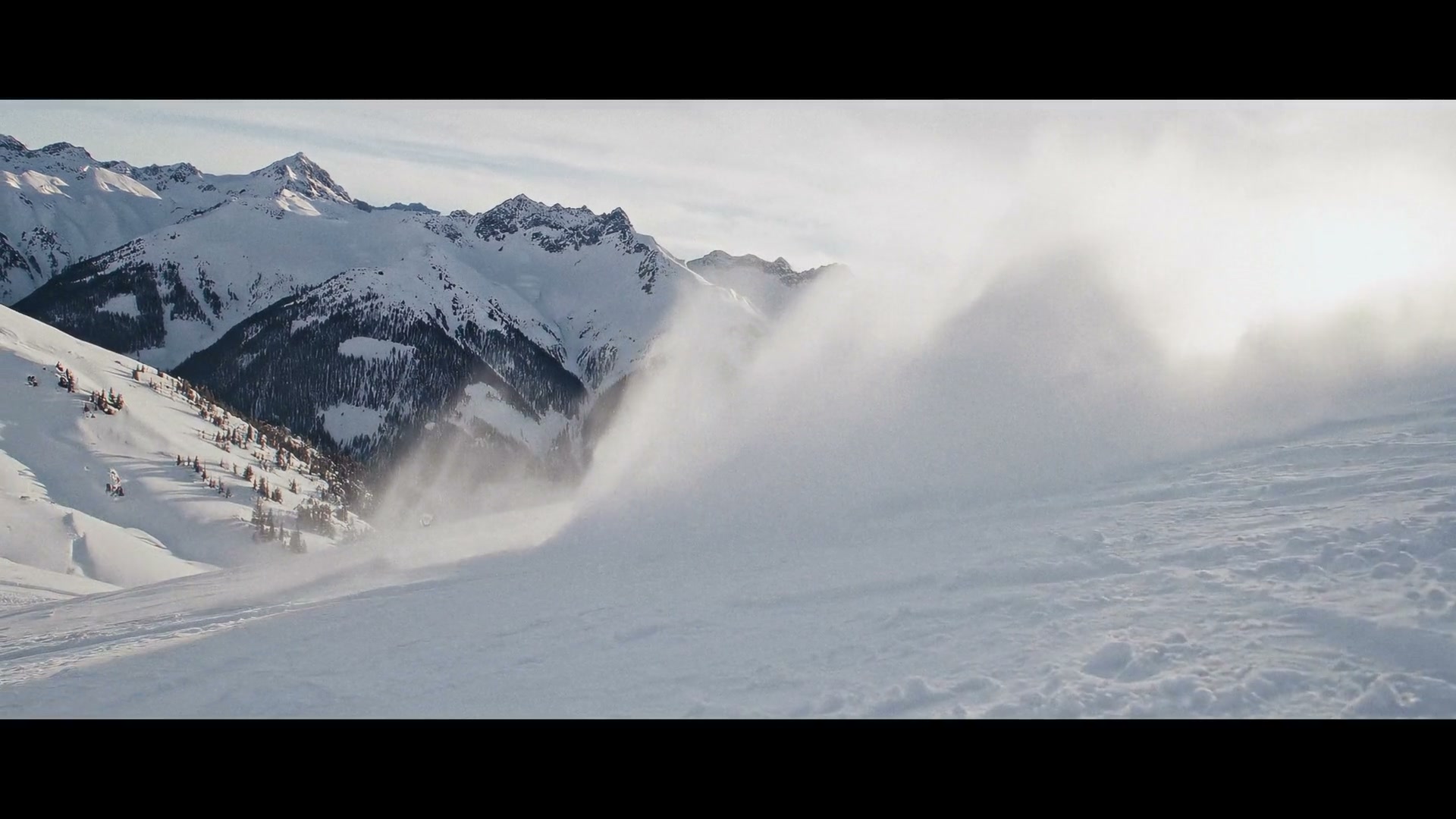
Luma says OneDay spent weeks with Curtis and McBride reconstructing the history, tone and energy of the old idea before generating images. Characters, backstories and the visual language were developed on paper. That ordering is more important than the model name: the production established what the film was before asking software to render it.
For producers, the reusable document is a creative architecture rather than a long prompt. It should define the premise, escalation, character functions, geography, wardrobe, props, visual rules, performance intent and the exact beat each shot must deliver. Each generated candidate can then be judged against the same film rather than against its own surface appeal.
This is also where authorship must remain legible. The original writers and creative directors brought the premise; OneDay directed and designed the production method; the cast supplied licensed likenesses; specialists shaped edit, VFX, colour, music, foley and mix. A credible AI production record should preserve those contributions instead of collapsing them into the phrase ‘made with AI.’
Licensed likenesses make the rights model concrete
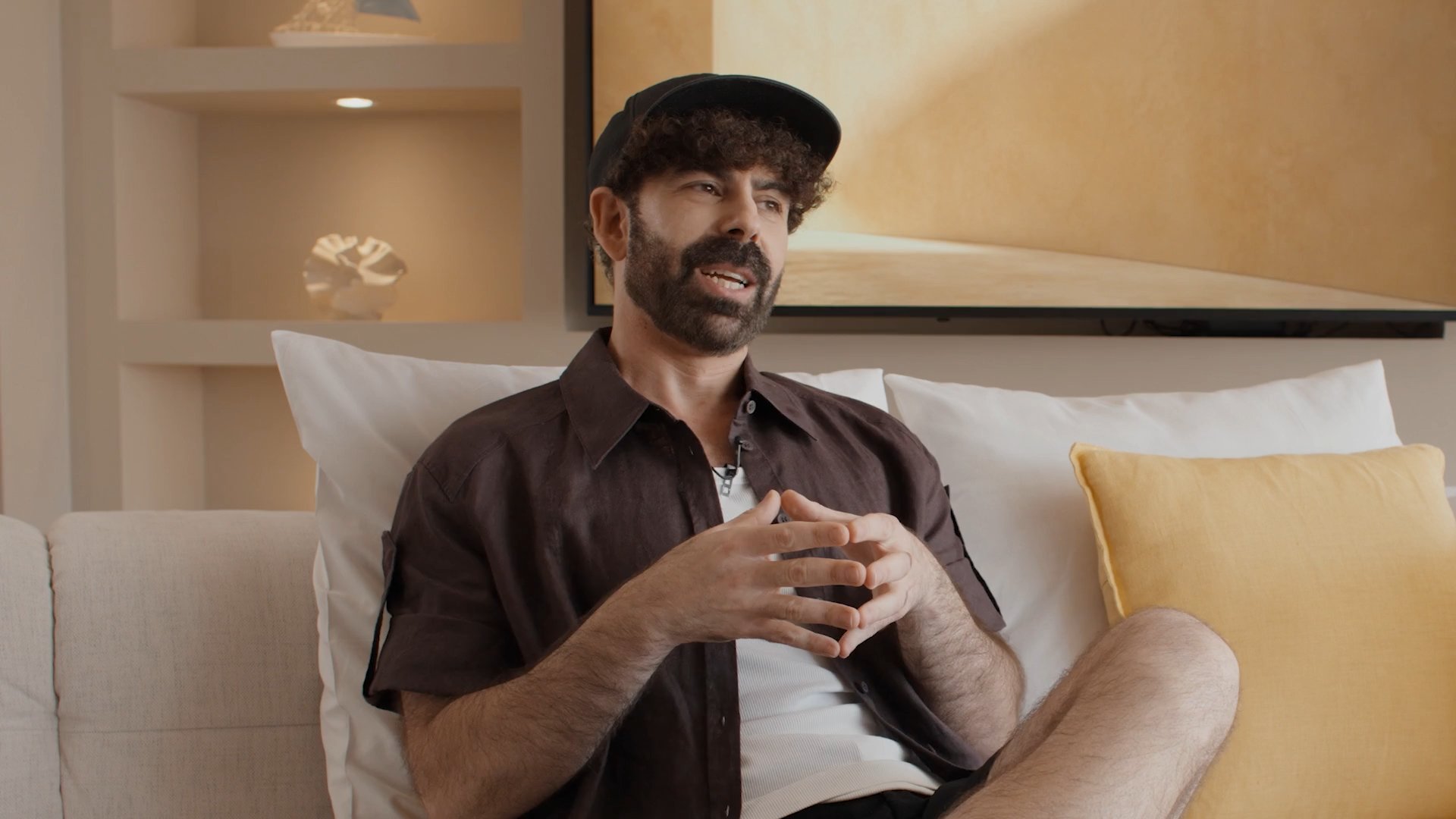
The most useful disclosure appears outside the polished case study. In a May interview with shots, Dream Brief co-creator Jason Kreher said Arts & Intelligence and OneDay licensed images of real actors with permission and paid them on terms comparable to a regular Screen Actors Guild job. Luma separately describes a production roster including actors and casting directors.
That is a materially better starting point than generating an anonymous synthetic cast and treating resemblance as nobody's problem. It still leaves questions a production should answer in its own paperwork: which source captures were made, which model versions received them, which territories and media are covered, how long the rights last, whether training or future reuse is excluded, who can approve changes, and what happens when the campaign ends.
Consent also has to survive editorial change. A face may be licensed for one rescue worker and later appear in a new costume, action, context or cutdown that the performer never reviewed. Link every approved likeness to a stable performer ID and a usage schedule, then make derivative approval a production gate. The output file is not the rights record.
Eighty-five shots turn continuity into infrastructure
The film's scale changes the problem. One persuasive shot can be generated in isolation; 85 shots need recurring people, coherent equipment, readable cause and effect, a stable mountain world and escalating action that still cuts as one piece. Luma says the team used a shared foundation for environment, tone and visual language instead of resetting each shot from scratch.
A production should make that foundation inspectable. Maintain approved character packs, wardrobe and prop references, location states, palette and lens rules, shot IDs, generation settings, selected inputs and a rejection reason for every turnover. Freeze accepted elements before asking the next shot to change. If a revision to a face or snowcat silently propagates, the system has accelerated inconsistency rather than production.
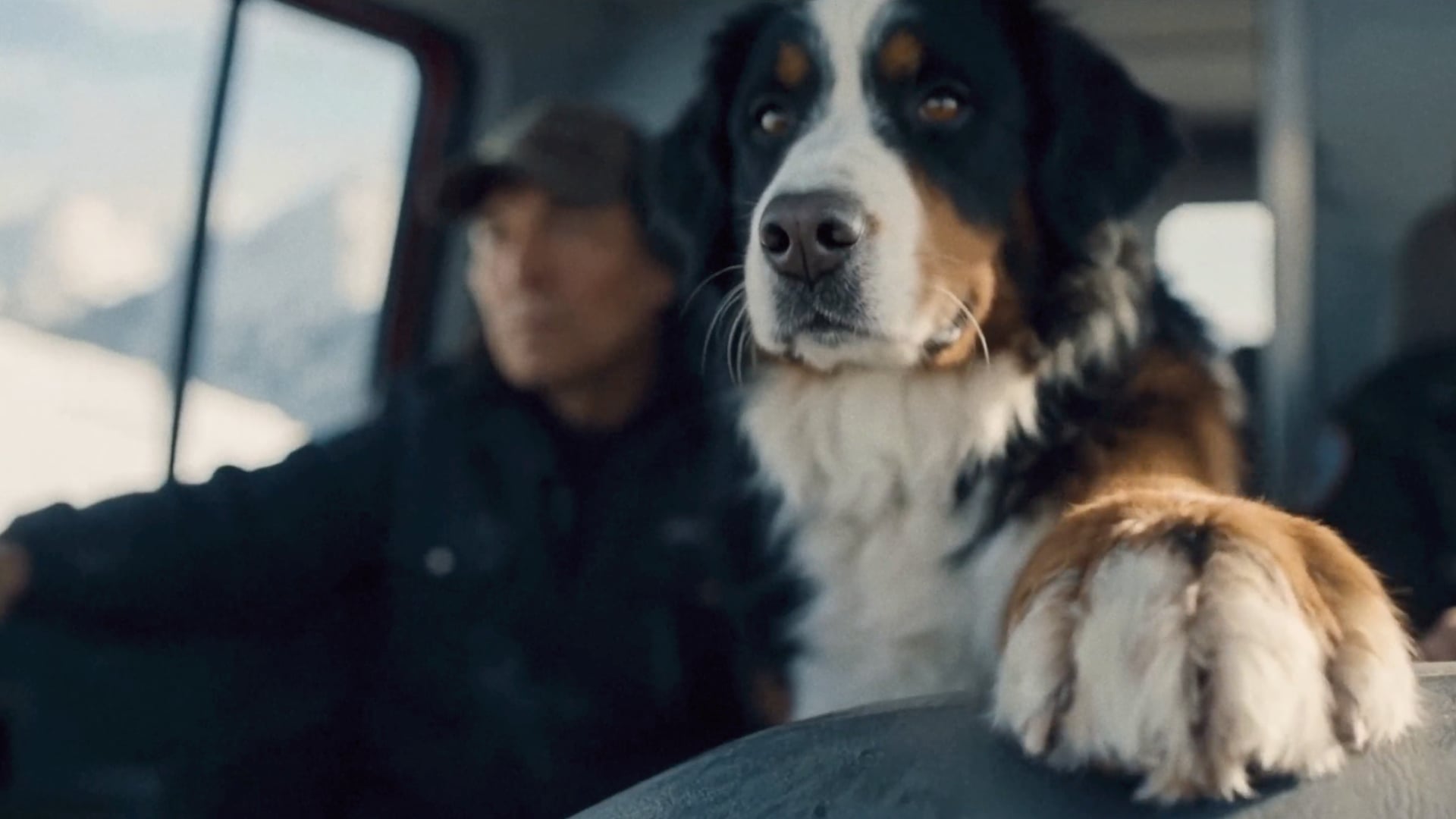
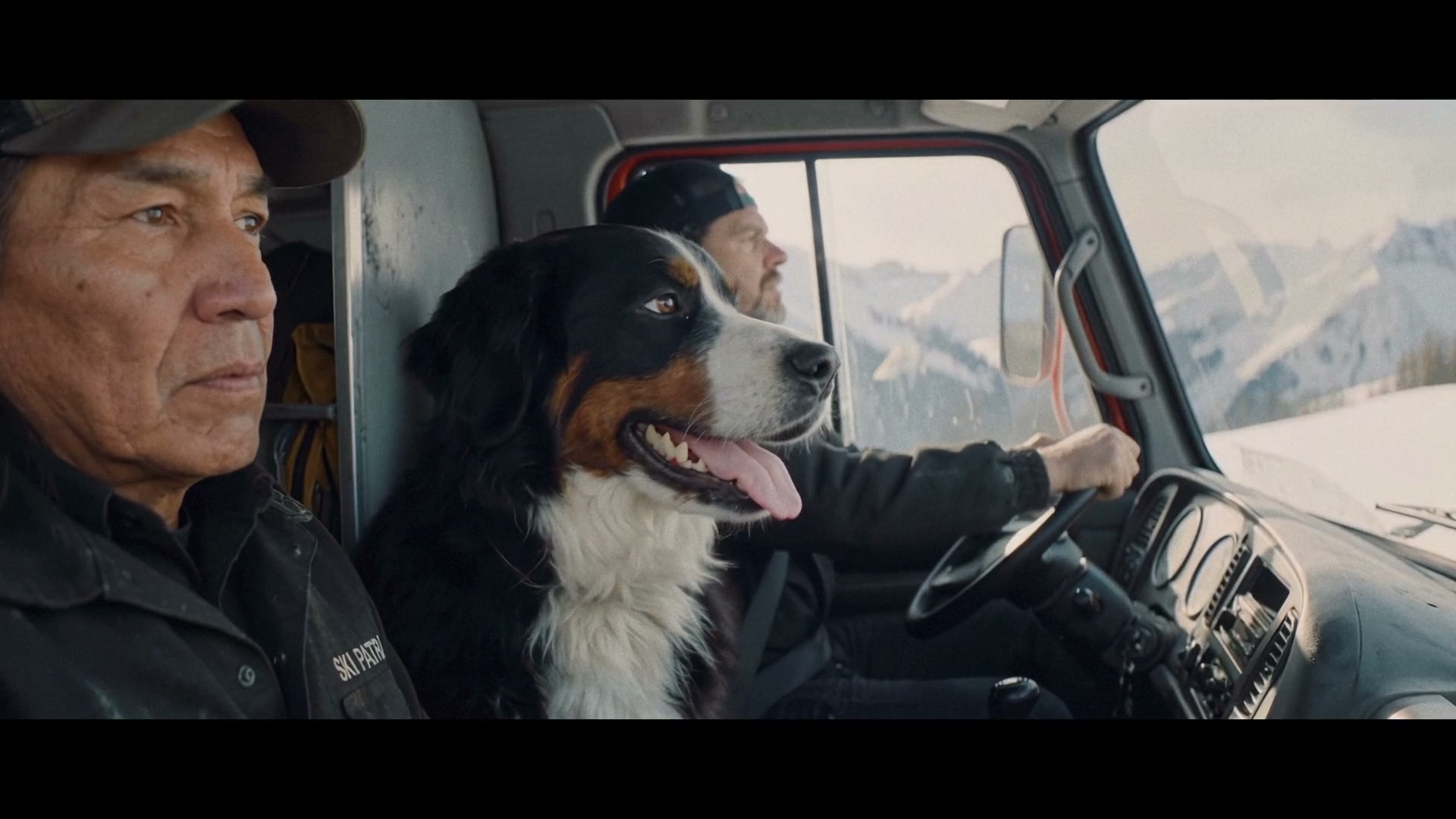
Review continuity in sequences, not on a gallery wall. The snowcat interior below has three people, a dog, windows, vehicle geometry, eyelines and moving mountain backgrounds competing for attention. Check identity, screen direction, seat position, hand contact, reflections and geography across adjacent frames before judging texture. Story logic is the harder deliverable.
The credits show where production value still comes from
The finished film credits a producer, casting, editor Jim Wright, Analog Studio for VFX, Ethos Studio and colourist Beatrice Tremblay, Good Ear Music Supervision, pianist Doran Danoff, Foley Stage, and sound designer and mixer Jason Peacock. That is not a footnote to the AI workflow. It is the workflow that turns generated material into a timed, legible and deliverable commercial.
AI may move expenditure away from travel, stunt safety, mountain access, weather cover and physical vehicles, but it does not automatically solve editorial rhythm, visual repair, colour matching, music rights, sound perspective or final mastering. The buyer needs to compare the full production and post budget, not a model subscription against a shoot estimate.
Keep the project editable after generation. Turn over selected shots with handles, version numbers, masks or mattes where available, colour-space notes, audio stems and a clear record of any baked-in typography or branding. The final master should be reproducible without reopening a fragile generation session or depending on one operator's account.
Separate finished, entered, seen and effective
Adrenaline Junkies reached several real milestones: it became a finished film, was selected as a Dream Brief finalist, ran as advertising for Luma and was entered into Cannes Lions. OneDay also reported millions of views in its own social post. Those are distribution signals, but they are not interchangeable with a festival win, independent reach verification, brand lift, qualified demand or sales.
A useful case report should keep the ladder intact: generated candidates, editorial selects, finished shots, approved master, delivered versions, activated placements, verified views and business outcomes. The public material gives us 85 finished shots and a 92-second master, but not the number of attempted shots or generated clips behind them. Without that denominator, production efficiency remains a claim to test rather than a result to repeat.
For a real client, agree the measurement plan before production. Track attempts per accepted shot, continuity failures, performer approvals, VFX repair hours, post revisions, total compute and labour cost, delivery variants, completion rate, recall and the campaign action that matters. An impossible script becoming visible is creative evidence. A repeatable commercial system needs operational and audience evidence too.
Greenlight the control system with the idea
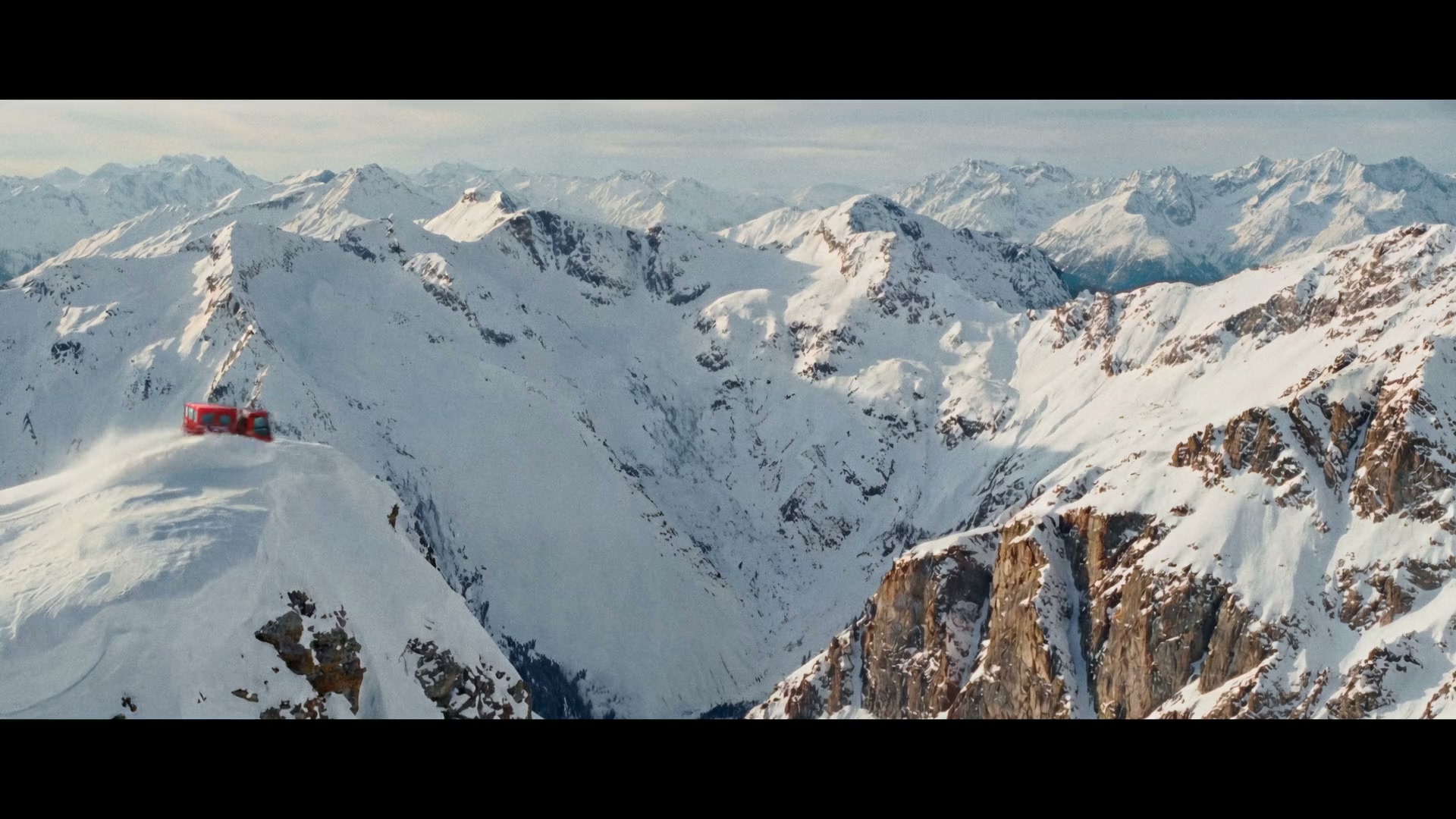
The strongest lesson from Adrenaline Junkies is that AI can move the boundary around what reaches production. A dangerous, logistically awkward mountain film no longer needs to begin with snow access, stunt exposure and a fleet of physical resources. That can rescue ideas previously killed before directors had a chance to test them.
The new freedom creates a new responsibility. If production constraints no longer filter the pitch, the greenlight must test the idea harder and approve its control system at the same time: authorship, performer consent, asset provenance, continuity architecture, human craft roles, review gates, editable masters, disclosure and success measures.
OneDay's case is valuable because the human production did not disappear when image generation arrived. The team still wrote, cast, directed, edited, repaired, graded, performed and mixed. The commercial became possible because the medium changed. It became credible because people remained accountable for what that medium produced.
Build
Need a repeatable AI production workflow?
Mike designs the tools, review loops, and publishing systems that make it usable.
Launching a business of your own? Founder Launch OS connects the brand, offer, website and visual campaign in one guided Codex or Claude Code workspace.
Keep reading