Answer first: hire the role when the handoffs are the problem
A producer, agency or studio needs a creative technologist when the idea is clear but the route to a dependable deliverable is not. The brief may cross live action, generative image or video, editorial, VFX, review tools, rights evidence, automation and web delivery. Each specialist can perform their part while the production still fails between them.
That is the commissioning gap. A film-industry creative technologist should translate story and brand intent into a system: define what is being made, choose where technology genuinely helps, preserve the decisions that must stay human, connect the stages, test the weak points and leave the client with usable assets. My AI video workflow consulting and build work is organised around that ownership boundary rather than a preferred model or platform.
Do not hire the role simply because a project contains AI. A conventional shoot, edit, VFX job or website with a proven route may only need the relevant specialist. Bring in the hybrid role when uncertainty sits across departments, tools or approval chains—and when somebody has to make the whole path legible to both creative and operational decision-makers.
The proof should combine screen judgment with systems judgment
Film experience matters because production decisions are relational. Lens, camera height, movement, light, performance, production design, edit rhythm and sound affect one another. A technically valid workflow can still produce unusable material if it cannot hold those relationships across a sequence or explain them to the people approving the work.
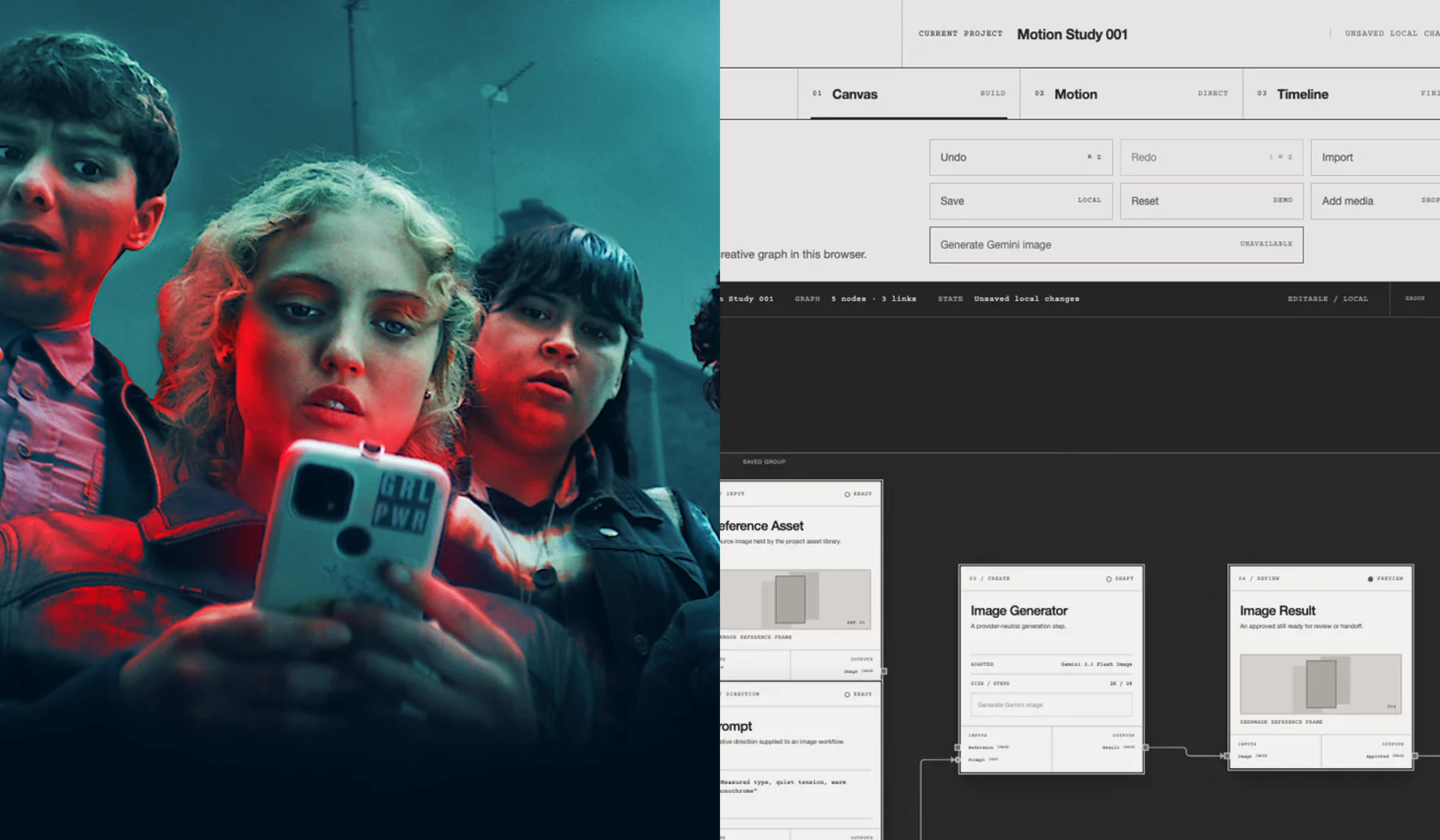
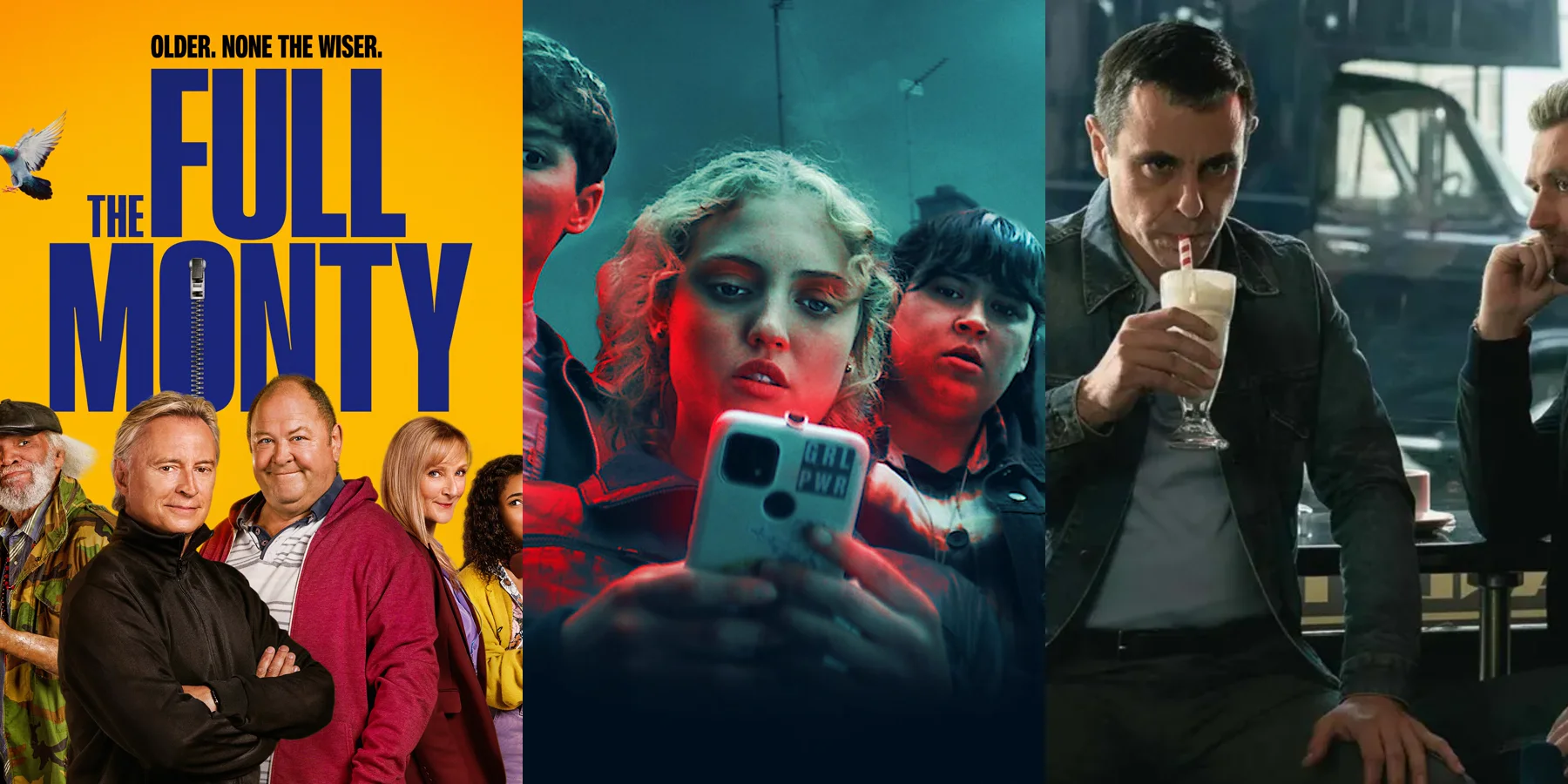
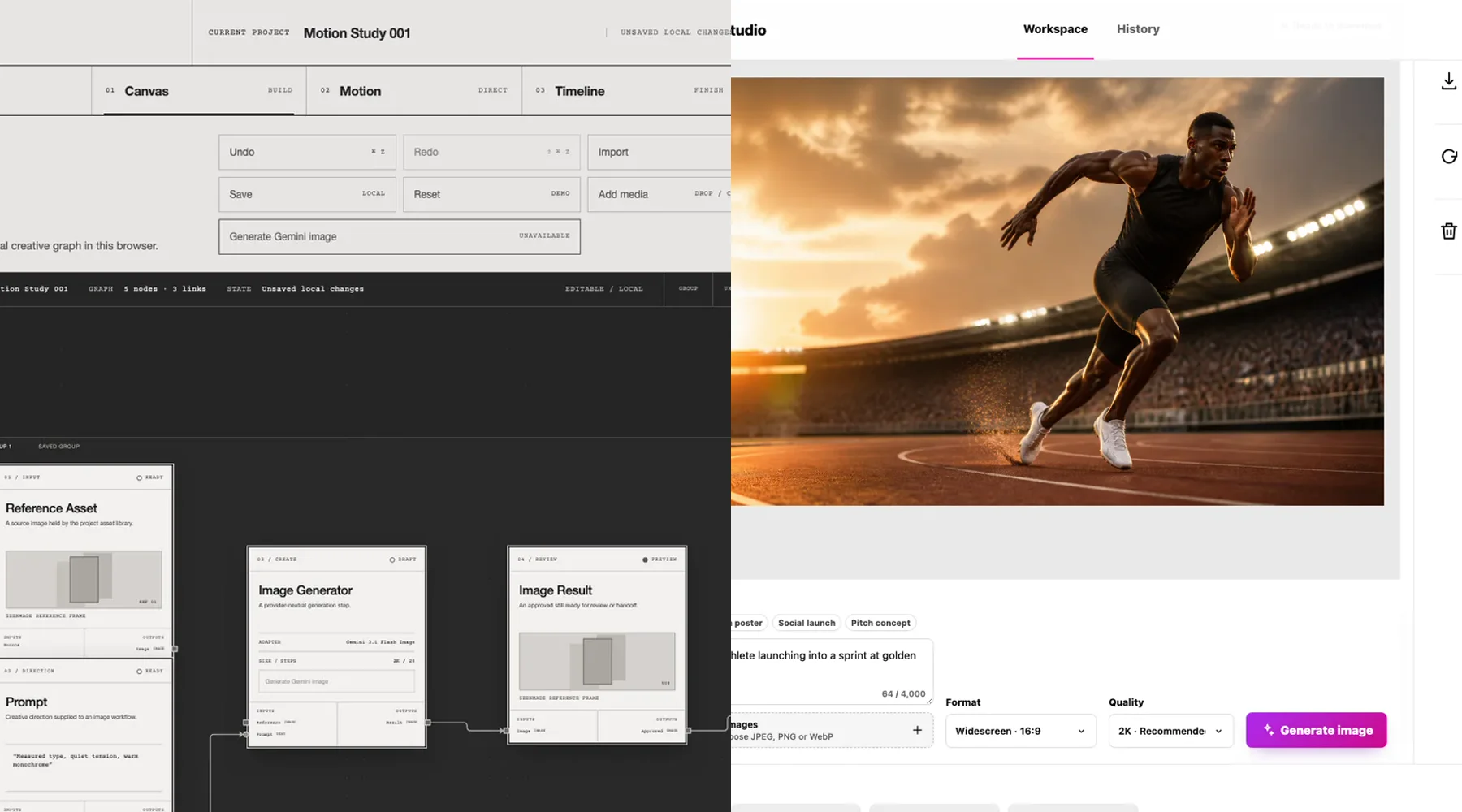
The useful proof is therefore two-sided. Ask for credited or clearly attributable creative work that shows taste under real constraints. Then ask for a functioning system, prototype or workflow that shows how references, versions, approvals and delivery states are handled. My own evidence joins film and television credits—including The Full Monty, Red Rose and Sexy Beast—to tools and production systems shown on Build. Those bodies of work are related proof, not a claim that the productions commissioned the later software tools.
A reel alone cannot show whether a workflow is repeatable. A product demo alone cannot show whether the person understands the image, the cut or the pressure of production. The buyer needs both.
What the engagement should deliver
Start with a decision map, not a software list. It should name the creative objective, audience, final formats, budget and schedule constraints, source material, rights assumptions, protected details, approval owners, success measures and stop conditions. This gives the team a shared test for every model, vendor and prototype that follows.
The working package should then include a cleared reference set; a vendor-neutral description of shots, continuity and protected brand or performer details; a tool and model register; an approval matrix; versioned templates or interfaces; a cost record based on accepted outputs rather than headline generation price; and a provenance ledger that connects source, generation, human edits, review and final exports.
Finally, require a handover and exit route. That means operating notes, editable assets where the format allows, account and dependency ownership, known limitations, recovery steps and a tested export path. If the client cannot change a supplier, retrain an operator or reopen an approved job without reconstructing the process from chat histories, the system has not been handed over.
Commercial safety belongs inside the workflow
A creative technologist should not replace production counsel, data protection advice, union expertise or a named client approver. The job is to make their decisions actionable inside the system: which inputs are allowed, which uses require consent, which claims need substantiation, who may approve a likeness or voice, what must be disclosed and which evidence travels with delivery.
That boundary is increasingly concrete. Article 50 of the EU AI Act requires machine-readable marking for providers of certain synthetic-content systems and disclosure by deployers for qualifying deepfakes, with a tailored rule for evidently artistic or fictional work. SAG-AFTRA's current AI resources centre consent and digital-replica provisions. Those are reasons to design an escalation path and evidence record, not to let a technologist make unilateral legal calls.
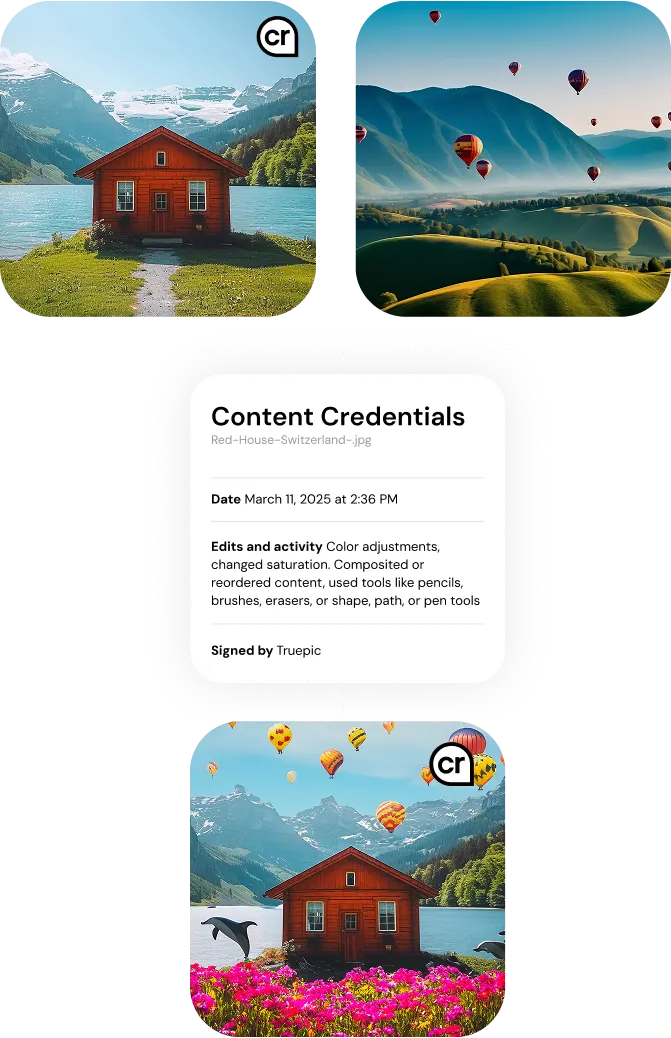
C2PA 2.4 provides a standard for tamper-evident provenance assertions, while Adobe now exposes Content Credentials in normal Premiere and Media Encoder export paths. Useful as those signals are, the C2PA specification explicitly avoids judging whether provenance data is good or bad. The production still needs its external rights, consent, editorial and approval record. A commercially safe AI video workflow joins those layers instead of treating a model's terms or a metadata badge as clearance.
Use a paid pilot to test the role before scaling it
A sensible first engagement is a bounded discovery and pilot, not a promise to transform the whole company. Choose one representative sequence or campaign unit with real source assets, a real approver and the actual delivery specification. Include at least one difficult condition: a continuity change, a protected product detail, a performer or rights question, a localisation, or a late revision.
Measure time to first reviewable output, human correction time, approval rounds, failed generations, cost per accepted asset or finished second, provenance completeness and whether another operator can resume from the handover. Runway's current enterprise controls—such as organisation workspaces, sharing restrictions, prompt metadata, analytics and spend notifications—illustrate the operational questions buyers should ask, but the pilot must test the exact account tier and configuration the production will use.
Greenlight the larger build only if the pilot improves a real production decision without hiding new labour or risk. The final acceptance test is simple: can the producer see what happened, can the creative team change what matters, can the approver retrieve the evidence and can the client continue the workflow without being trapped inside one person's prompt history?
A buyer checklist for the first conversation
Ask six questions. Which creative and production decisions will you own? Which decisions stay with the director, cinematographer, producer, editor, VFX team, legal adviser and client? What working artefacts will we receive? How will you measure accepted output rather than activity? Which rights, provenance and approval evidence will survive export? What happens if the preferred model, vendor or operator disappears?
Good answers should be specific enough to put into a statement of work. They should name deliverables, owners, review gates, acceptance criteria, dependencies and handover. If the answer is mainly a list of tools, the role has not yet been translated into a commission.
The title matters less than the bridge. For film, television and commercials, the right creative technologist makes craft requirements executable, makes technical choices reviewable and leaves the production more capable than it was before the engagement.
Build
Need a repeatable AI production workflow?
Mike designs the tools, review loops, and publishing systems that make it usable.
Launching a business of your own? Founder Launch OS connects the brand, offer, website and visual campaign in one guided Codex or Claude Code workspace.
Keep reading