Answer first: creative speed has reached the approval boundary
Four developments this week point to the same operating decision. Production teams can now generate a finished-looking video cheaply, revise it conversationally, place a product-answering agent beside the media and connect the result to an always-on campaign loop. The scarce resource is no longer the first asset. It is confidence that the right version used the right inputs, made supportable claims, respected people and rights, and reached the correct destination with a retrievable approval trail.
For brands, agencies, studios and founders buying these systems, ask for one connected demonstration: brief to approved output to distribution record. A supplier should be able to show where human judgement enters, what cannot publish automatically, how an asset is identified after export, and what happens when the model or platform changes. This is the buyer-intent thread behind the issue; it comes from production risk and delivery needs, not from stretching a search query into a news angle.
Signal 1 — September 23: HD generation becomes a free starting point
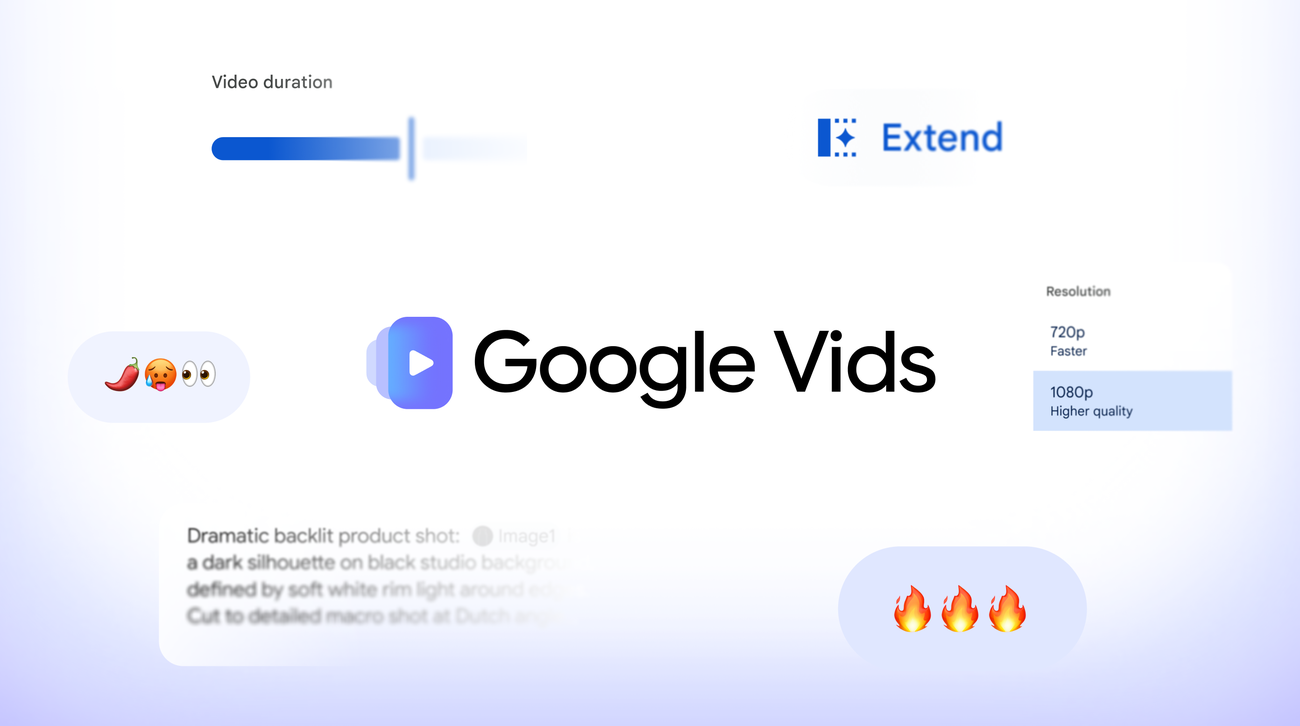
Google opened Gemini Omni 1.1 Flash video generation in Google Vids to anyone with a Google or Workspace account. The launch adds exact clip durations, scene extension intended to preserve visual context, lighting, characters and environment, 1080p generation and upscaling, and templates for product, business and community videos. Every generated clip receives an imperceptible SynthID watermark. Workspace Business and Enterprise plans add larger generation pools and central administration.
Why it matters: a credible first video is now close to the document layer of a business account. That removes procurement and specialist-editing friction for treatments, sales films and social tests, but it also makes unapproved footage easy to mistake for deliverable media. SynthID can help identify model-generated frames inside Google's ecosystem; it does not prove that product claims, source images, music, talent, final edits or distribution were cleared.
What to do: create separate statuses for concept, review copy and approved master. Require an asset ID, source references, account owner, model, terms snapshot, prompt or direction, rights state and named approver before a clip leaves the workspace. Test exact duration, character consistency, extension joins, export quality and watermark survival through the real edit and transcode path. Use the commercially safe AI video guide as the acceptance checklist rather than treating free access as permission to publish.
Signal 2 — September 23: YouTube joins conversational editing to likeness protection
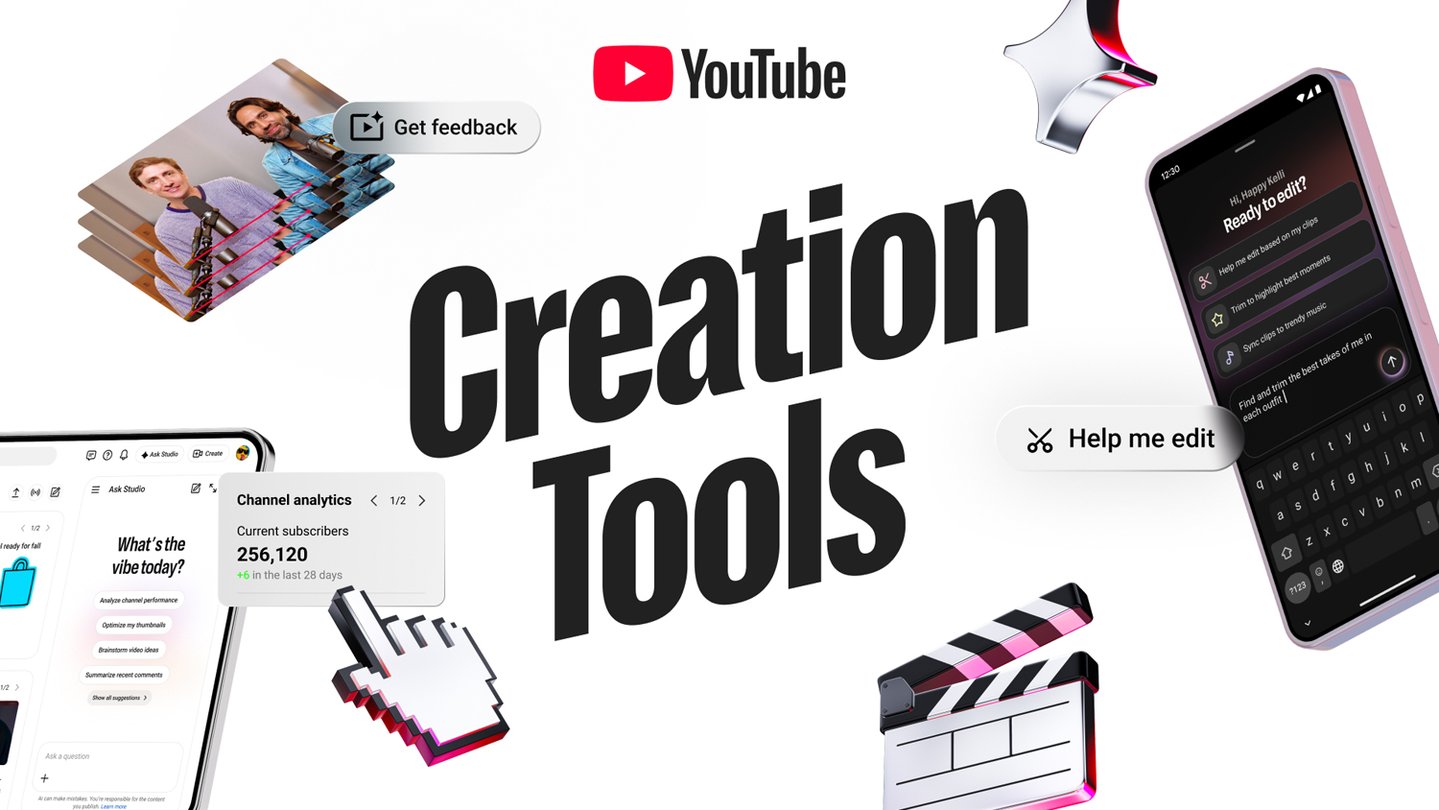
YouTube announced a Gemini-powered conversational editor for Shorts and the YouTube Create app. Creators can request a first draft, then ask the assistant to reorder frames, trim footage and sync music before moving back to manual timeline editing. Studio is also adding feedback on pacing, structure and storytelling, dynamic thumbnails, and forthcoming A/B tests for up to three video cuts. On the protection side, YouTube says billions of channels can enrol in deepfake detection, with speaking-voice detection due to join facial matching later this year.
Why it matters: creative guidance, editing, packaging, testing and identity enforcement are converging inside the publishing platform. That can shorten the distance between an idea and evidence about its hook, but performance optimisation can also become an invisible co-author. Likeness detection is a useful enforcement route after a match is found; it is not a substitute for consent, voice rights, disclosure or a record of what the assistant changed.
What to do: lock a human-approved creative thesis before testing variants. Log which cuts, titles and thumbnails were human-made, assistant-proposed or automatically served, and keep the winning result tied to its source edit. Enrol eligible talent and channels in likeness detection, document who may submit or appeal matches, and keep voice and image consent at asset level. The AI provenance review workflow provides the record to preserve when platform tools and manual edits alternate.
Signal 3 — September 24: The product expert moves beside the video ad
Google's September Demand Gen update introduced Business Agent for YouTube Ads, allowing viewers to ask product or brand questions beside video ads that use product feeds. The same update added one-click landing-page visits for full-screen image ads on Shorts and Gmail, plus affiliate location extensions in Maps. Google reports that advertisers adding Gmail saw image creatives average 40% more conversions at the same return on investment, based on Google internal global data from February 2026.
Why it matters: the media unit now includes an answer layer between attention and the landing page. That can help a buyer resolve fit, availability or product-detail questions without losing viewing context, but a conversational answer can introduce claims that never appeared in the approved film. Google's conversion figure concerns Gmail inventory, not the new Business Agent, and the announcement does not provide the sample, range or independent validation needed to transfer that result to another campaign.
What to do: approve the answer source before the agent's tone. Restrict retrieval to current product, price, territory, availability and policy data; block medical, financial, comparative or sustainability claims unless explicitly cleared; and route uncertainty to the landing page or a person. Log the question, source, answer, ad version and downstream outcome. Run the AI advertising disclosure gate across the video, agent response and destination as one campaign object.
Signal 4 — September 21: The campaign loop becomes the product
ElevenLabs published a workshop showing a vertical campaign built in Flows from two product photographs and a brand colour. An agent generated a hero image, script, voiceover and music, then combined them into a finished cut. The company also described Creative Engine, now running with a small group of design partners, as a connected loop across ideation, production, publishing, performance analysis, localisation and variant generation—either parallel to a customer's team or operated by that team.
Why it matters: this is a production-system proposition, not only an audio launch. The handoffs being removed are also places where a strategist, producer, editor, music supervisor, media buyer or client would normally catch an error. ElevenLabs reports that localisation helped its own paid ads increase conversions by 17% after English-language performance plateaued, but the post does not publish campaign spend, attribution method, test design, period or cost of operating the system. Treat it as supplier evidence to reproduce, not a forecast.
What to do: pilot one market, product and channel with a fixed control. Keep the brief, approved claims, product truth, source assets, voice and music rights, brand rules, localisation review and spend ceiling as versioned inputs. Require human approval before distribution and before performance data changes the next creative. Measure cost per approved and cleared asset, correction rate, localisation rework, conversion lift and time saved. Build the handoffs in the AI production workflow stack, then rehearse the model exit plan before the agent chooses suppliers on your behalf.
One operating move for the week: make approval machine-readable
Choose one live workflow and turn its approval policy into required fields rather than a note at the end. At minimum: project and asset ID; brief version; approved product facts and claims; source and consent records; model and terms snapshot; creator and approver; permitted territories, channels and duration; disclosure decision; distribution destination; spend ceiling; final file hash; and rollback owner.
Then remove one field and test the block. An unapproved product fact should stop the ad agent. A missing voice permission should stop localisation. A changed model should trigger the acceptance suite. An unidentified export should not reach the media account. The important production question is no longer whether a system can make and publish a plausible asset. It is whether the organisation can prove why that exact asset was allowed to move.
Build
Need a repeatable AI production workflow?
Mike designs the tools, review loops, and publishing systems that make it usable.
Launching a business of your own? Founder Launch OS connects the brand, offer, website and visual campaign in one guided Codex or Claude Code workspace.
Keep reading